We have allowed advertising to visually represent real people, which viewers can then emulate. TV, then computers, internet and smartphones have progressively increased the sophistication and volume of these visually and auditorially ‘realistic” (portraying a person or persons) media-which has magnified the impact on the viewing public to extraordinary levels. What are the consequences?
The Manufactured Self: How Advertising Saturation Creates a Society of Performed Emotions.
We have allowed advertising to visually represent real people, which viewers can then emulate. TV, then computers, internet and smartphones have progressively increased the sophistication and volume of these visually and auditorially ‘realistic” (portraying a person or persons)media-which has magnified the impact on the viewing public to extraordinary levels. What are the consequences?
The first known video advertising featuring a person selling a product, appeared in the US in 1949 advertising a 12 inch Westinghouse Television, which (falsely) claimed that their new television eliminated rolling and static imaging on the screen, whilst conflating the image of the woman and the television set as being ‘easy on the eye’.
‘Video/archive: 1949 Westinghouse live TV commercial Archive
Timeline
1890s-1920s: Early movie advertising using projector slides and narrative product placements in silent films
1913: The first movie trailer is produced for a stage show
1949: The first known TV advert featuring a person (Westinghouse)
The development of electronic media over the last 75 years has thus allowed advertising to visually represent ‘real’ people which viewers can then emulate. TV, then computers, the internet and smartphones have progressively increased the sophistication and volume of these visually and auditorially ‘realistic” media (portraying a person or persons)-which has magnified the impact on the viewing public to extraordinary levels.
Thus genuine feeling in social interactions is frequently replaced by rehearsed facial expressions, simplified phrases and ready-made identities.
Only thirty years ago, the current exaggerated open-mouthed expression of pleasure or surprise was rare in advertising and public life. A restrained smile conveyed satisfaction. A raised eyebrow suggested interest. Communication was subtler, more coded, and — critically — more likely to be genuine.
The shift began in the 1990s, driven by fashion photography and advertising, that discovered exaggerated facial expressions sold products more effectively. What followed was a gradual but relentless escalation.
Below is the chain of causation that has created this false world.
A. Advertising has saturated every media environment and increasingly every waking moment of human life.
B. Advertising operates primarily through emotional manipulation rather than truthful and factual representation.
C. This saturation and manipulation establish a kind of cultural template in which exaggeration, emotional performance, and the strategic misrepresentation of reality become normalized — not as aberrations, but as the default mode of social interaction.
D. People, having internalized this template, begin to present emotions they do not feel — in their faces, their voices, their body language, their written words, their social media posts, and their consumer reviews — not because of malice, but because the entire communicative ecosystem has been engineered to reward performed emotion over authentic real emotions and experience.
This is the logical consequence of an advertising ecosystem that spends trillions of dollars annually teaching human beings that how you make people feel matters more than what is true (2), and that ‘like-ability’ is the most predictive measure of commercial and personal success and infuence (2).
A car is associated with freedom. A drink is associated with belonging. A skin-care product is associated with confidence. A bank is associated with security. A fast-food meal is associated with family love. The message is not simply “buy this.” It is also “this is what happiness looks like,” “this is how desire should appear,” and “this is how a successful person responds.”
Marketing research treats emotional appeal as a central mechanism of persuasion because feelings can make a message seem personally relevant and memorable. The research is unambiguous: advertising succeeds not by providing information, but through performance of fake emotion. The University of Southern California’s analysis of advertising psychology found that 31% of emotionally driven ads succeed, compared to only 16% of rationally driven ads (2). The emotional response to an advertisement, ‘rather than the ad’s actual content, produces great influence on the intent of a consumer to buy a product” (2).
This finding is not just a description of what advertising does — it is a framework for how influence works in broader, (particularly Western) culture. When every person in a society is exposed to approximately 5,000 advertisements per day (2), they are receiving 5,000 daily lessons in a single method: make people feel something, and they will do what you want. The product being sold is irrelevant. The technique is transferable.
A person who has absorbed thousands of hours of emotionally manipulative advertising does not leave that training at the door of their workplace, their relationships, or their social media accounts. They have been taught, through relentless repetition, that performed emotion is the most effective tool of persuasion, and they will use it — often without conscious awareness that they are doing so, knowing that it works.
Workplaces already impose display rules on employees who must appear cheerful, calm or grateful regardless of their actual condition. Research on emotional labour shows that managing outward expression to meet such expectations can create strain, frustration and anger, particularly when the displayed feeling is far from the person’s lived experience.
Media and our ‘influencers’ from whatever source increasingly offer a smaller and smaller vocabulary of prefabricated phrases: “living my best life,” “good vibes,” “no negativity,” “you’ve got this,” “choose happy”- ad nauseam. These phrases can be comforting to the user in moderation. But they become emotionally impoverishing when they replace the harder work of identifying what is actually happening.
Look at any magazine cover, advertising campaign, or social media feed today and you’ll see it: the wide-open mouth. The gasp of delight. The hand over the heart. The breathless “Oh my God!” at a meal that is, after all, just a meal.
These expressions have become so ubiquitous that we rarely stop to ask a simple question: does anyone actually feel what they’re displaying?
Advertising Normalizes Exaggeration as Communication
The historical research on advertising reveals that before regulatory oversight, “hyperbole became the norm. Every product was the best, new and improved, the easiest to use, the safest, the most reliable” – Dewey, 2021. Once advertising regulation curbed the most egregious factual claims, the industry shifted to emotional and associative manipulation — techniques that are harder to regulate precisely because they operate through feeling rather than fact.
In consequence, a culture’s dominant communicative mode — the one practiced by its most visible, most funded, most professionally skilled communicators — is one in which saying something better than it is is not a failure of ethics, but a success of the craft.
Advertising professionals do not consider themselves liars; they consider themselves storytellers. And this reframing — from deception to narrative craft — has seeped into wider Western culture, providing a ready-made rationalization and excuse for anyone who wishes to exaggerate, embellish, or perform emotions they do not feel.
The Influencer Culture
Prior to the advent of the smartphone, personalised advertising on TV, Video and Film was acted via paid performers. The viewer was usually aware that the performer was a paid actor and not authentically portraying themselves. Nevertheless, the expert paid performer could (and still can) portray an element of personal authenticity in the delivery of the script.
However with the advent of the smartphone, the most direct mechanism through which advertising’s emotional performance template has colonised everyday social behavior is ‘influencer’ culture. ‘Influencers’ are, functionally, human advertisements — people who have monetized their personal lives opinions, and emotional expressions by making them persuasive to an audience.
Research on influencer authenticity demonstrates how thoroughly the advertising template has been absorbed into the viewers’ personal identity. The study found that perceived authenticity in influencers has a direct and indirect effect on consumer purchase intentions, mediated by trust and credibility (3). The standardized regression coefficient for trust (β = .44) reveals its centrality: audiences must believe an influencer is being genuine before they will be influenced by them (3).
‘Authenticity’ has consequently become a performance metric. Influencers do not simply need to ‘be authentic’; they must perform that authenticity convincingly enough to generate trust, which then generates purchasing behavior.
The research notes that “once the messaging of an influencer has been found to concur with the individual values and lifestyle of the followers, they are considered as intrinsically motivated and not extrinsically motivated by sponsorships, thus increasing the level of trust” (3).
Thus the most commercially valuable thing a person can do in the modern media ecosystem is convince others that their performed emotions are real. ‘Authenticity’ is not a quality to be possessed; it is a skill to be performed. And the better you perform it, the more influence — and money — you accumulate.
The Collapse of the Authentic and the Manufactured
The logical endpoint of this trajectory is visible in the emergence of virtual influencers — computer-generated personas that “replicate human appearance, personality, and social presence” while possessing “no memory, autonomy, or emotion” (4). Virtual influencers like Lil Miquela or imma.gram are entirely fabricated emotional performers. They do not (presumably!) feel anything. They have no bodies, no experiences, no inner space which makes meaning. Yet they engage audiences emotionally, generate trust, and drive purchasing behavior.
The research on virtual influencers reveals the cultural anxiety this produces: participants across multiple national contexts “expressed distinct thresholds for emotional resonance and divergent ethical concerns, particularly regarding disclosure, manipulation, and perceived authenticity” (4). The study introduces the concept of “synthetic mis-recognition” — the phenomenon of mistaking simulated emotion for real emotion — and argues that this mis-recognition has profound implications for “the ethics of simulating relational authenticity” (4).
But virtual influencers are not an aberration. They are the purest expression of what advertising has always taught: that performance of emotion is more valuable than the experience of it. If a computer-generated character with no feelings can sell products by performing feelings convincingly, then the message to every human content creator, social media user, and consumer is clear: your real feelings are less important than your performed ones.
Ordinary People as Advertisers of Themselves
The advertising template has spread beyond influencers and virtual characters to ordinary consumers. Research on inflated consumer testimonials found that psychological and emotional factors — including “self-image, self-enhancement as well as motivations for retribution against service providers” — significantly predict the creation of exaggerated, amplified review content (7).
The researchers frame this within Interpersonal Deception Theory, noting that “certain individuals tend to misrepresent facts and may willingly decide to deceive other persons, in their daily conversations, including in virtual ones” (7). The motivations are not solely selfish; they may include altruistic intentions, constructive criticism, and self-image management — all of which are emotional performances designed to create a particular impression in the minds of others.
What is significant though is that ‘ordinary’ people have adopted the exact techniques that advertising uses: exaggeration, emotional framing, selective emphasis, and the construction of a narrative designed to persuade rather than inform. The consumer writing an inflated review is doing, in miniature, exactly what a television advertisement does — making something sound better, more dramatic, and more emotionally resonant than it actually is. The advertising template has been democratised. Everyone is now their own advertising agency!
However the personal energy required to perform and deceive, rather than to simply express emotion, takes a considerable toll on both the performer and the receiver.
The Demand for Displayed Emotions
The chain of causation now becomes self-reinforcing. In a culture saturated with advertising and advertising-derived content (influencers, branded social media, curated personal narratives), the display of emotion becomes a social requirement. If everyone around you is performing emotion — performing happiness, enthusiasm, gratitude, outrage, desire — then the failure to perform emotion becomes conspicuous. It reads as coldness, disengagement, or social incompetence.
The research on virtual influencers captures this dynamic precisely: their appeal lies in their capacity to “emotionally engage users, often blurring the line between simulation and sincerity” (4). When the dominant mode of social interaction — mediated through screens, platforms, and algorithmically curated feeds — is one of performed emotional engagement, then real authenticity becomes not the natural state but the exception. The baseline expectation of interactions between people becomes performance.
The research on emotional abuse patterns identifies a key dynamic that applies metaphorically to the advertising-saturated culture: “You’re a different person around them. You find yourself doing and saying things you normally wouldn’t do but you have to in order to get through the interaction” (1).
In the advertising-saturated media environment, the “them” is not a single abuser but the person’s entire social ecosystem. People become different versions of themselves — performing emotions they do not feel, saying things they do not believe, presenting images that do not correspond to their reality — because the ecosystem demands it.
The Deceptive Design of Emotional Environments
The research on deceptive design in extended reality environments provides a technological dimension to this argument. XR (extended reality) technologies “enable new deception opportunities that are not present in other digital environments,” including the capacity for companies to “induce artificial emotions and target vulnerable users to influence their purchasing decisions” (6).
The study identifies that XR’s “immersive capabilities and extensive data collection enable subtle and powerful manipulation strategies” (6), and that these technologies can create emotional states in users that are then leveraged for commercial purposes. The concept of “emotional transparency” (from the virtual influencer research) becomes relevant here: in immersive advertising environments, the boundary between genuine emotion and induced emotion dissolves entirely (4). The user does not know whether they are feeling something real or something manufactured — and in a culture that has already normalized emotional performance, they may not care.
The Feedback Loop: Performed Emotion Becomes the Standard
Technology platforms are designed to induce and reward emotional performance. And at each stage, the threshold for what counts as “authentic” emotion is raised, because the culture has become so saturated with performed emotion that genuine emotional expression becomes indistinguishable from — and often less compelling than — its performed counterpart.
The research on influencer marketing confirms this: audiences rate “authenticity” not as the presence of genuine emotion but as the consistency, transparency, and personal relatability of the influencer’s performance (3).
A perfectly constructed performance of vulnerability will be rated as more “authentic” than a genuine but awkward expression of feeling, because the audience has been trained — by thousands of hours of advertising — to evaluate emotion on the basis of how well it is presented, not on whether it is real.
Emotional Alienation
When a person is required, by the structure of their social and commercial environment, to perform emotions they do not feel, the predictable consequence is a form of emotional alienation — a disconnection from one’s own (and other’s) internal emotional states.
The research on emotional abuse identifies this pattern at the individual level: victims report becoming “a different person” around their abusers, doing and saying things they would not normally do (1).
At the societal level, the same dynamic operates through the advertising-saturated media environment, which requires constant emotional performance and thereby erodes the individual’s connection to their actual feelings.
The Erosion of Trust
The research on inflated testimonials identifies a direct consequence of widespread emotional exaggeration: “A lack of credibility and trustworthiness in online reviews could negatively affect the consumers’ perceptions and attitudes toward the business” (7).
When everyone is performing, no one can be trusted — not because individuals are necessarily malicious, but because the ecosystem makes authentic communication structurally impossible.
The virtual influencer research describes this as a crisis of “emotional transparency” (4), and the deceptive design literature frames it as a problem of “synthetic misrecognition” (4) — the inability to distinguish real from performed emotion.
The Manufacture of Psychopathic Norms
Psychopathy, in clinical terms, is characterized not primarily by violence, but by superficial charm, manipulative behavior, and the absence of genuine emotional experience.
A culture that rewards emotional performance over emotional truth, that monetizes the appearance of authenticity, and that saturates every media environment with manufactured feeling, is a culture that structurally incentivises the behavioural profile of psychopathy — not because its members are all psychopaths, but because the system selects for psychopathic performance. This is especially true for those we deem as ‘leaders:-our politicians, our sports ‘heroes’, our cultural icons…
One of the key issues is that emotional awareness is not an ‘ornamental’ skill. It is vital to help people decide what they need, to communicate boundaries, to seek help, to repair relationships and to regulate others’ and their own behaviour.
It must be acknowledged however, that people differ in how they experience and communicate emotion, and our interpretations of others’, and our own emotions, must respect culture, neurodiversity, trauma history and individual circumstances. Emotional abuse, emotional neglect and physical neglect can have a profound effect on our capacity to express and understand the emotions of others.
The Advertising-Emotion-Deception Nexus
The argument, traced through the available research, can be summarised thusly:
Advertising’s saturation of all media(2) — from television to social media to extended reality environments (6) — has established emotional manipulation as the dominant mode of commercial communication(2).
This mode operates through exaggeration, selective framing, and the construction of inspirational emotional narratives that make products, services, and experiences sound better and more emotionally rewarding than they actually are.
This commercial template has been absorbed into broader culture through more and more sophisticated technology and influencer marketing (3), consumer review culture (7), social media performance, and the design of immersive digital environments (6).
Ordinary people, trained by thousands of daily exposures to emotionally manipulative advertising, have adopted the same techniques in their own self-presentation — performing emotions they do not feel, exaggerating their experiences, and constructing curated emotional narratives designed to persuade others rather than to communicate truthfully (7).
The result is a society in which emotional performance has replaced emotional experience as the default mode of social interaction — a society in which authenticity is a skill to be performed (3), in which computer-generated characters with no feelings can convincingly simulate emotional connection (4), and in which the structural demands of the media ecosystem may be engineering behaviors associated with emotional manipulation and the absence of genuine feeling.
While research remains limited on the issue, the societal frequency and intensity of alexithymia, a behavioural trait characterised by poor emotional awareness and description, may also be compounded by this advertising blitz of fake emotion.
There is a growing unease in modern life. People can be surrounded by messages, images, notifications, opinions and invitations to buy, yet remain strangely unable to say what is happening inside them. We may know that we are “stressed,” “fine,” “triggered” or “happy.” But we may not know whether we are grieving, ashamed, lonely, frightened, resentful, exhausted or morally disturbed.
This is Alexithymia: it is not the absence of emotion. It is a reduced ability to notice, identify and describe one’s own feelings. It is generally understood as a dimensional, subclinical trait rather than a diagnosis in itself. Researchers commonly describe three features: difficulty identifying feelings, difficulty describing them to others, and an externally oriented thinking style that focuses more on facts and events than inner experience.
Are increasing numbers of people becoming alexithymic? The evidence does not yet establish a comparable, population-wide rise across the past several decades. Studies use different samples, cultures, questionnaires and thresholds. Some report high rates in particular groups, especially adolescents, students and people experiencing mental or physical illness. Those findings cannot be converted into a reliable global trend.
Nevertheless, there are good reasons to take the possibility seriously. Modern societies expose people to chronic stress, childhood adversity, loneliness, commercial pressure, digital distraction and a powerful demand to display emotions that are legible, attractive and useful.
Visual displays like fist pumps or wide open mouths become a clearer expression to others when displayed on a small screen, as opposed to the subtle and multiple visual, auditory and chemical transmissions that (can) occur in real social settings.
We may be living in a culture that is increasingly emotionally performative while becoming less emotionally literate.
The Profound Impacts on Younger People
A child learns emotional language through their relationships. A responsive adult helps a child connect bodily states with words: “You are frightened,” “That hurt,” “You are disappointed,” “It is safe to be angry without hurting someone.”
When adults ignore, ridicule, punish or exploit a child’s feelings, the child may learn that inner experience is dangerous, useless or incomprehensible- so much safer and easier then, to just perform the required emotional display.
When feelings remain unnamed and unrecognised, they can be harder to regulate and easier to express indirectly through withdrawal, aggression, compulsive activity, substance use or physical symptoms.
Young people are not simply more vulnerable to advertising because their brains are immature, but advertising-saturated digital environment may also be actively impairing the development of the brain regions that would eventually allow them to resist advertising’s influence (17).
Children learn to identify and express emotions partly through mirroring — observing how the adults around them respond to situations. If those responses are consistently exaggerated or performative, children internalise a distorted model of emotional life.
In addition, younger people are particularly vulnerable to this ‘selling’ onslaught because of their more limited experiences of life, and consequently often model these exaggerated behaviours by ‘influencers’ and other salespeople in the media who are thus deemed to be ‘important’ and of high social status.
Young people are not merely more susceptible to advertising. They are being shaped by it at the neurological, psychological, and identity levels in ways that make performed emotion not a choice but the default response.
That is not to say that we should simply ban young people from accessing ‘social media’. What is needed instead is more effective parental and school-based training on how to educate and support children in safely and honestly engaging in real social settings.
With these skills and confidence, electronic social and other media and advertising becomes far easier and safer to navigate for a young person.
CONCLUSION
Let us not however deceive ourselves that humanity’s capacity to deceive each other and ourselves is somehow a new or unique ‘skill’ brought about by advertising! Propaganda techniques have been around for more than 2000 years!
The capacity to fake, to pretend and to deceive are not just human traits- they are traits exhibited by all species from time immemorial to extend the survival of the individual and the group.
What is unique however, is its current and pervasive prevalency in modern human society- an adaptation from a survival mechanism to a default mechanism for social acceptance and consumption.
Additionally, it has to be said that new communicative styles (a wide open mouth, a fist pump, or an OMG) are not solely the result of media inputs.
The human brain’s insatiable need for ‘more’ has been supercharged through advertising media and the technologies which have enabled saturation advertising.
On a finite planet, humanity’s insatiable need for ‘more” has only one outcome…
A population that cannot name its feelings is easier to manipulate through fear, resentment and commercial desire. Public debate becomes a contest between emotional triggers rather than an effort to understand competing needs. People who are grieving are told to be positive. People who are angry are offered an enemy. People who are lonely are offered a product.
Human societies function on an assumption of trust that others are, predominantly, communicating what they actually feel. Facial expressions evolved as honest signals. A genuine smile — the Duchenne smile, involving the muscles around the eyes — was a reliable indicator of real pleasure. We are neurologically wired to trust these signals.
Without that baseline of trust between its individuals, a community, a society, a culture, or a global culture, become fragmented, distrustful and fearful. Skepticism and social fatigue become the norm. When people cannot easily distinguish genuine emotion from performance, they may withdraw from emotional engagement altogether. And if we assume everyone around us is performing, we become less likely to respond with genuine compassion to someone’s real distress. Manipulation becomes that much easier. When the language of strong emotion is constantly performative, those who genuinely wish to deceive find easy fertile ground.
There is also an ecological consequence. The destruction of forests, rivers, animals and climate systems is not just a technical problem. It is a failure of relationship and moral perception. If people are trained to treat their own inner discomfort as noise, they also become less able to register the suffering of other humans, other species and the wider living world.
We must rebuild our emotional vocabulary and skills, develop and encourage honest communication, trauma-informed care, and revitalise institutions that allow real feeling of expression rather than requiring permanent positivity.
We must begin to make room for experience and emotional states that are less scripted and more honest.
Families and schools can teach children a richer emotional vocabulary without forcing them to perform it. Workplaces can question display rules that require permanent cheerfulness. Health services can ask about emotional awareness without dismissing physical symptoms.
Communities can create places where people are allowed to be uncertain, vulnerable, grieving, or conflicted and still worthy of belonging.
Research Sources and URLs
(1) :Emotional abuse signs and healing, personal testimony: Being “a different person” around others as a sign of manipulation; the pattern of performing emotions to survive an interaction
(2): USC Applied Psychology — “Thinking vs Feeling: The Psychology of Advertising” :31% emotional vs 16% rational ad success; 5,000 ads/day; likeability as the primary predictor of ad effectiveness
(3): Influencer authenticity, trust, and purchase intentions (Gen Z): Perceived authenticity mediates purchase behavior through trust (β = .44) and credibility; authenticity is a performed quality
(4): Virtual influencers: ethical and cultural dimensions (Myanmar, South Korea, Singapore, USA) :Synthetic misrecognition; emotional transparency; VIs simulate emotion without experiencing it; cultural variation in ethical discomfort
(6): Deceptive design in Extended Reality (University of Waterloo, 2024): XR enables “inducing artificial emotions” and targeting vulnerable users; immersive manipulation strategies |
(8): Hogeveen & Grafman, 2021, Alexithymia (Handbook of Clinical Neurology; PMC8456171). Alexithymia is a subclinical construct involving disrupted emotional awareness. It is linked to impaired functional outcomes and treatment response; major issues include emotional awareness, communication, interoception, and measurement. URL: https://pmc.ncbi.nlm.nih.gov/articles/PMC8456171/
(9): Kick et al., 2024, Alexithymia as a mediator between adverse childhood events and the development of psychopathology: a meta-analysis (Frontiers in Psychiatry; PMC11246998 ). Meta-analysis found child abuse correlated with alexithymia (r=.26), alexithymia with general psychopathology (r=.44); emotional abuse, emotional neglect, and physical neglect were stronger correlates than physical/sexual abuse. Mediation is partial and correlational. URL: https://pmc.ncbi.nlm.nih.gov/articles/PMC11246998/
(10): Ursoniu et al., 2024, The interconnection between social media addiction, alexithymia and empathy in medical students (Frontiers in Psychiatry; PMC11446739 ). Cross-sectional sample of 649 medical students. 21.42% possible and 14.02% clear alexithymia by TAS-20 thresholds. Model found social-media addiction associated with alexithymia and an indirect association with empathy; only about 11% of empathy variability explained, single-site student sample, no causal inference. URL: https://pmc.ncbi.nlm.nih.gov/articles/PMC11446739/
(11): Tsubaki & Shimizu, 2024, Psychological Treatments for Alexithymia: A Systematic Review (Behavioral Sciences; PMC11673933 ). Review of 18 RCTs / 21 intervention arms / 1,251 participants. Most psychological interventions reduced TAS-20 scores, but studies were heterogeneous and larger, higher-quality trials are needed.URL: https://pmc.ncbi.nlm.nih.gov/articles/PMC11673933/
(12): Advertising evidence: marketing research documents emotional appeals as a central persuasive strategy; research on social-media self-presentation finds expressions are often idealized, exaggerated, and unrealistic. These sources support discussion of a cultural environment of performed and commodified emotion, not proof that advertising causes alexithymia. URLs: https://link.springer.com/article/10.1007/s43039-026-00136-2 ; https://www.nature.com/articles/s41467-020-18539-w
(13): Emotional-labour literature defines display rules as explicit or implicit expectations to show particular emotions, and links inauthentic display to strain/burnout in some settings. This supports a cautious analogy to commercial emotional display, not a direct clinical claim. URL: https://pmc.ncbi.nlm.nih.gov/articles/PMC10863272/
A balanced, source-led account of Cuba before and after the 1959 revolution, examining social gains in health and education, housing and poverty claims, U.S. sanctions, the Bay of Pigs, and the political costs of one-party rule.
From Spanish colonial rule to a republic with conditions, 1898–1952
The Cuban War of Independence,[5] fought from 1895 to 1898, was the last of three liberation wars that Cuba fought against Spain, following the Ten Years’ War (1868–1878)[6] and the Little War (1879–1880). Throughout the course of the war, Spain sent 220,285 soldiers to Cuba, the largest army to cross the Atlantic until World War II, according to the Library of Congress.[7]
When the Spanish–American War ended in 1898, Spain relinquished control of Cuba and the United States began a military occupation. The 1898 Teller Amendment had pledged that the United States would leave the government and control of the island to its people after Spanish rule was removed. Instead, Washington made its withdrawal conditional on Cuba’s acceptance of the Platt Amendment, which was incorporated into the bilateral treaty framework in 1903.[21][22]
The Platt Amendment restricted Cuba’s ability to enter treaties that might compromise its independence or permit other powers to use the island militarily. It also reserved a U.S. right to intervene in Cuban affairs to defend Cuban independence and to maintain a government deemed adequate for protecting life, property, and individual liberty. The amendment also led to the U.S. lease of territory for a naval station at Guantánamo Bay. The U.S. State Department’s historical account records that Washington pressed Cuban constitutional delegates to accept these terms and used a prospective sugar trade agreement as leverage. The arrangement remained in force until 1934.[22]
This postwar order shaped both sovereignty and economics. U.S. commercial influence in sugar, mining, utilities, oil, cattle, and banking was extensive. Havana’s tourism, casinos, nightlife, and modern infrastructure made Cuban prosperity visible, yet average income concealed unequal access to land, health services, stable work, schooling, and political power. Economic historians place Cuba among Latin America’s higher-income economies by average income before the revolution, while other historical work stresses the sharp rural–urban, racial, and class inequalities behind those averages.[1][2][3]
U.S. interventions before Castro
The list below distinguishes military occupation and formal intervention from diplomatic influence, recognition, and material support. They are connected but not identical forms of involvement.
Date
U.S. action
Historical significance
1898–1902
War and military occupation
U.S. forces occupied Cuba after the Spanish–American War while the new republic’s institutions and constitutional conditions were decided.[21][22]
1901–1934
Platt Amendment framework
The amendment reserved intervention rights, restricted treaty-making, and created the naval-station clause that led to the Guantánamo Bay lease.[21][22]
1906, 1912, 1917, 1920
Interventions in Cuban affairs
The National Archives identifies these interventions as being supplied by the Platt Amendment’s terms. The episodes ranged from occupation to deployments and political intervention, making the United States a recurrent arbiter of Cuban order.[21]
1933–1944
Diplomatic influence
During the political crisis that brought Batista to the centre of power, U.S. diplomats attempted to shape recognition and succession. This was not a repeat of formal occupation, but it was consequential political influence.[23]
1952–1958
Recognition and arms relationship
Washington recognised Batista’s post-coup government within two weeks and later faced criticism over arms sales, before the suspension of arms shipments in 1958.[23][24]
The United States did not pursue one unchanging policy. Its posture toward Cuban governments evolved with commercial interests, domestic politics, the Good Neighbor Policy, and Cold War priorities. However, the occupation, Platt framework, diplomatic intervention, recognition, and military relationship formed a long pre-1959 history of substantial U.S. influence.
2. Batista’s dictatorship and its impact on Cubans, 1952–1959
Fulgencio Batista seized power in a bloodless coup on 10 March 1952, under-mining Cuba’s short history of constitutional political process. He was later elected without opposition in 1954, but that formal outcome did not erase the rupture created by the coup. A U.S. State Department document from 1958 described Batista as strongly entrenched through his control of the Cuban military and observed that his interruption of democratic processes had not been forgiven by much of the public.[4]
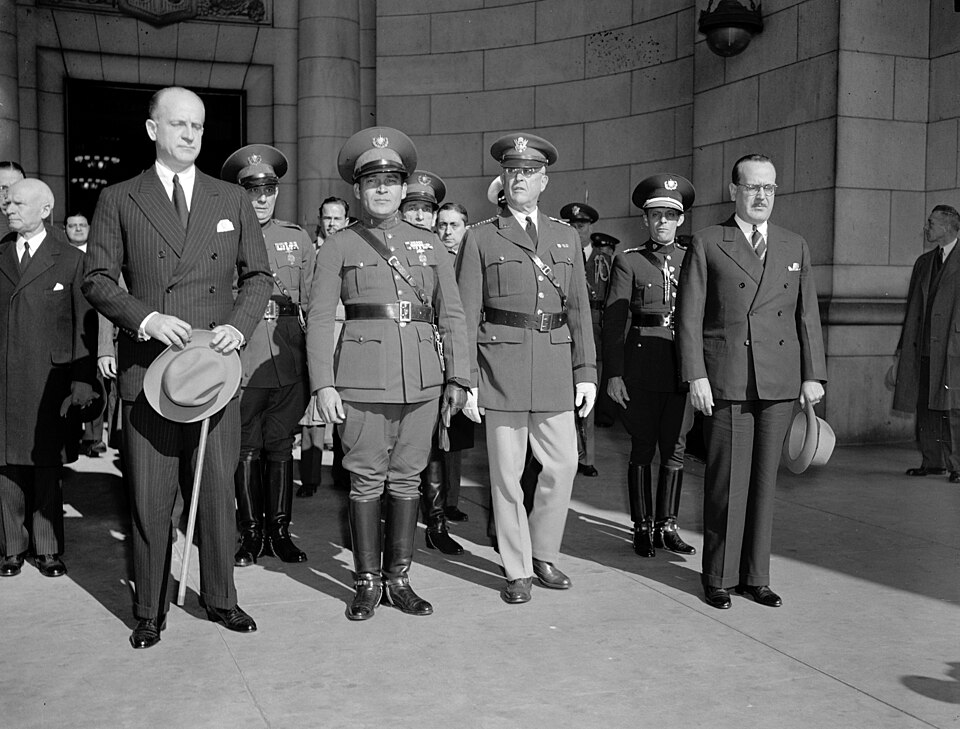
Batista in Washington (1938)
For many Cubans, the dictatorship narrowed the legitimate avenues for political change. Censorship, police and military repression, corruption, and the concentration of political influence weakened civic life. The exact number of people killed by Batista’s security forces remains disputed because estimates vary and complete independent accounting is unavailable; a responsible history should not present a single contested total as settled fact. The broader pattern of coercion, arbitrary power, and increasingly widespread opposition is clear in the historical record.[4]
The social impact was also uneven. Cuba had economic growth, tourism, and a modern urban sector, but high unemployment persisted and rural areas were far less served. On the eve of the revolution, Havana contained almost half the country’s physicians and more than half its hospital beds; Cuba had only one rural hospital, and a public-health review reports severe rural infant mortality while warning that early records were imperfect.[3] These inequities sat alongside racial discrimination, insecure seasonal work, land concentration, and the gap between the capital’s visible wealth and the countryside’s deprivation.
During the 1930s, U.S. officials regarded Batista as a stabilising force and beneficial to American business interests; after the 1952 coup, the State Department recognised his government within two weeks despite its extra-legal origin.[23] In 1958, a State Department memorandum recorded criticism of U.S. arms sales to Batista and acknowledged that elections acceptable to the Cuban people were impossible under his rule, even as an official rejected the claim that U.S. policy favoured the regime.[24] This is why the relationship is best understood as one of recognition, material support, and political calculation that shifted late in the dictatorship, rather than as a simple claim that every U.S. official pursued the same objective.
3. Revolution and social transformation, 1953–1962
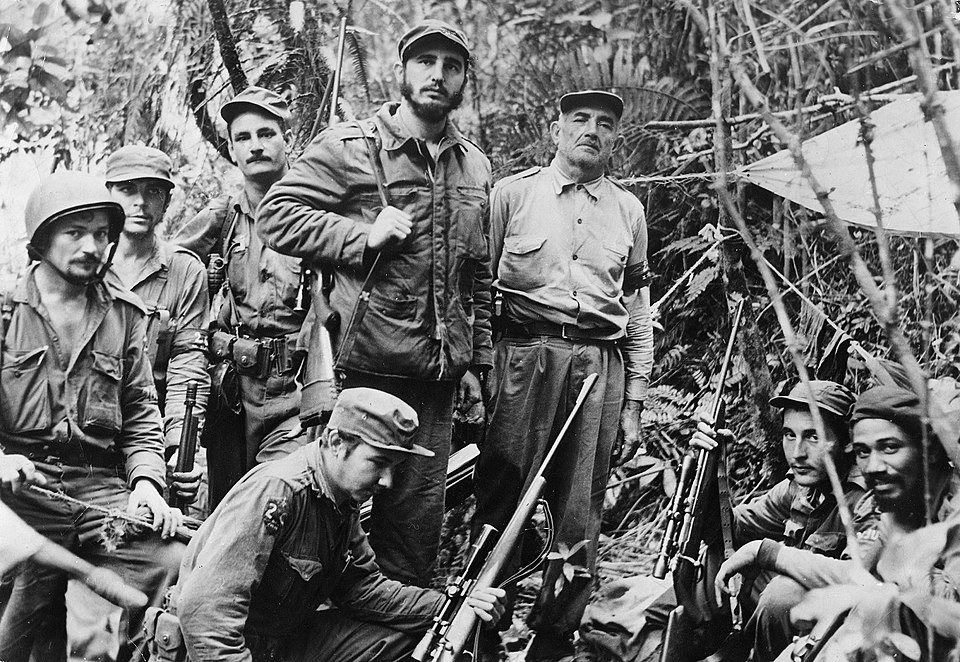
Fidel Castro’s 26 July Movement was the most consequential opposition movement to Batista, though it was not the only one. Castro’s unsuccessful attack on the Moncada Barracks in 1953, his 1955 amnesty and exile in Mexico, the 1956 Granma landing, the growth of guerrilla and urban networks during 1957–58, and the rebel victory at Santa Clara formed the main sequence of the insurrection. Batista left Cuba on 1 January 1959; Castro entered Havana on 8 January.
Survivors regroup in the Sierra Maestra as the insurgency begins to take durable form.
1957–1958
Guerrilla and urban resistance
The anti-Batista coalition broadens through rural support, underground networks, and widespread discontent.
1 January 1959
Batista leaves Cuba
The revolutionary government takes power after the collapse of Batista’s military position.
The revolutionary government moved quickly on agrarian, educational, health, housing, and racial-integration policies. A peer-reviewed public-health history reports that the 1959 agrarian reform distributed deeds to 150,000 landless farmers. It also reports that the 1961 literacy campaign mobilised nearly 200,000 volunteers and taught about 700,000 people to read and write.[3] UNESCO has described the campaign as the most consequential event in Cuban education and culture in the twentieth century and a regional reference point for mass literacy mobilisation.[5]
The state also desegregated many public spaces and widened access to public education, health care, and employment. These reforms improved formal equality and social mobility for many Afro-Cubans, while later research and public debate continued to document racial disparities in remittances, property, tourism-linked opportunity, and political voice.[11]
4. U.S. policy after the revolution: invasion, covert action, and embargo
Relations deteriorated rapidly after 1959 amid nationalisations, property disputes, Cold War alignment, and mutual hostility. In March 1960, President Eisenhower directed the CIA to develop a plan for an invasion of Cuba and the overthrow of Castro’s government. On 17 April 1961, CIA-trained Cuban exiles of Brigade 2506 landed at the Bay of Pigs. Cuban forces defeated the invasion within two days. The Office of the Historian describes this as a U.S.-backed invasion, not a domestic coup.[6]
After the invasion failed, Operation Mongoose combined political, psychological, military, sabotage, and intelligence operations intended to remove Castro’s government. Declassified records and the Church Committee documented multiple proposals and plots to assassinate Castro. Popular numerical totals and individual devices should not be treated as equally substantiated or necessarily operational.[6][8]
On 3 February 1962, President Kennedy proclaimed the trade embargo through Presidential Proclamation 3447. The Cuban Assets Control Regulations became a principal mechanism for financial restrictions and blocked property. The embargo later evolved through laws and regulations, including the Cuban Democracy Act of 1992 and the Helms–Burton Act of 1996. The U.S. State Department states that the comprehensive embargo remains in place.[9][12]
The 1962 Cuban Missile Crisis produced a U.S. non-invasion assurance and the withdrawal of Soviet missiles from Cuba. The associated U.S. decision to remove Jupiter missiles from Turkey was handled confidentially and completed in April 1963. Cuba was not a principal party to the decisive Washington–Moscow bargaining, a fact that strengthened Cuban perceptions of great-power control over the island’s security.[10]
Since 1992, the UN General Assembly has repeatedly adopted resolutions calling for an end to the U.S. embargo. These votes indicate broad international opposition to the embargo’s continuation, but they are General Assembly resolutions rather than binding judicial rulings.[13]
The Scale and Duration of U.S. Sanctions on Cuba
The U.S. embargo can be described as “one of the world’s longest-running national sanctions regimes” and a “documented, durable constraint” on Cuba’s access to trade, credit, investment, shipping, technology, and goods. It has been in continuous effect since Kennedy’s proclamation on 3 February 1962 — over six decades.
The sanctions did not simply remain static; they escalated in reach over time:
1960: The Eisenhower administration cut Cuba’s sugar quota — at a time when the U.S. was Cuba’s key trading partner and the sugar economy was the backbone of Cuban livelihoods.
1962: Full trade embargo proclaimed.
1963: Cuban Assets Control Regulations froze assets and restricted all financial transactions.
1992: The Torricelli Act extended restrictions to foreign subsidiaries of U.S. companies, meaning the sanctions reached beyond American borders.
1996: The Helms–Burton Act codified the embargo into law (removing presidential flexibility to lift it) and penalised foreign entities trafficking in confiscated property — an extraterritorial provision the EU formally objected to.
2017–2021: The Trump administration reversed Obama-era openings, tightened travel, remittances, and transactions, and designated Cuba a State Sponsor of Terrorism — a designation that further restricts financial dealings and deters third-country engagement.
The sanctions worked alongside direct military intervention (the Bay of Pigs invasion), covert operations (Operation Mongoose, multiple documented plots to assassinate Castro), and funded political opposition through USAID and the National Endowment for Democracy.
“The embargo is one important structural constraint on Cuba’s access to trade, credit, investment, shipping, technology, and some goods.”
The Cuban government estimates place the cumulative economic cost at US$130–150 billion.
“Cuba’s current hardship must be understood as an interaction of external restrictions, the loss of Soviet support, import dependence, state planning and investment decisions, natural disasters, demographic change, and limited avenues for public accountability and input.”
Why the Sanctions’ Context Matters
Cuba’s economy was “highly dependent on sugar and strongly connected to the United States” before the revolution. The embargo therefore severed Cuba’s primary economic relationship at the root. When the Soviet Union subsequently collapsed in the early 1990s, Cuba lost its alternative trading partner — losing an estimated 80% of its trade (described as an illustrative estimate). The document calls this a “profound crisis that reshaped Cuban life,” producing severe shortages, blackouts, food insecurity, and sharp economic contraction.
The combination of the U.S. embargo cutting off Cuba’s historic primary market and the loss of Soviet support left Cuba with extremely limited options for trade, credit, and investment. Low wages, limited consumer supply, energy and food shortages, and deteriorating purchasing power all characterise current Cuban life.
What US Sanctions on Cuba Actually Impact
US sanctions on Cuba are among the longest-running and most comprehensive economic embargoes in modern history, in place in various forms since the early 1960s. Here’s what they concretely affect:
Trade
Near-total trade embargo: US companies generally cannot export goods to Cuba or import Cuban products. This is codified primarily through the Cuban Assets Control Regulations (CACR) and the Torricelli Act (1992) and Helms-Burton Act (1996).
Cuba’s most iconic export — sugar and tobacco (cigars) — cannot be legally sold in the US market.
Agricultural exports have a narrow exception: since 2000, US companies can sell food and agricultural products to Cuba, but only on a cash-in-advance basis (no credit or financing).
Financial System
Cuban assets in the US are frozen. Cuban government entities cannot access US financial institutions normally.
Dollar transactions are restricted. International banks that process dollar-denominated transactions involving Cuba risk penalties from the US Treasury’s Office of Foreign Assets Control (OFAC). This has a chilling effect far beyond US borders — many foreign banks simply refuse to handle Cuba-related transactions to avoid US legal exposure.
Cuba is effectively cut off from most international credit markets, the World Bank, and the IMF.
Travel
US citizens face restrictions on travel to Cuba. Tourism is technically prohibited. Travel must fall under one of 12 authorized categories (family visits, journalism, humanitarian work, educational activities, etc.).
In practice, enforcement has fluctuated by administration — Obama loosened restrictions, Trump tightened them, Biden made modest adjustments.
The Helms-Burton Act
This is arguably the most consequential and controversial dimension:
Title III allows US citizens (including Cuban-Americans) to sue any entity — foreign or domestic — that “traffics” in property confiscated by the Cuban government after 1959.
This means European, Canadian, Latin American, and other foreign companies can face lawsuits in US courts for doing business in Cuba involving formerly US-owned or Cuban-national-owned property.
This has a deterrent effect on foreign investment, as companies weigh the risk of losing access to the US market or facing litigation.
Impact on Specific Sectors
Sector
How sanctions hit
Energy
Cuba struggles to access modern drilling technology, refining equipment, and fuel imports. The country relies heavily on Venezuela (itself sanctioned).
Healthcare
While Cuba produces its own pharmaceuticals, access to advanced medical equipment, certain drugs, and US-manufactured devices is limited.
Technology
US-origin software, hardware, and telecommunications infrastructure are restricted. Cuba has among the lowest internet penetration rates in the hemisphere.
Remittances
Caps and restrictions on how much Cuban-Americans can send to family have fluctuated. Trump imposed a $1,000/quarter limit; Biden relaxed some of these. Remittances are a lifeline for many Cuban families.
Shipping
Ships that dock in Cuban ports are barred from entering US ports for 180 days, which effectively discourages international shipping companies from serving Cuba.
What Sanctions Don’t Fully Control
Cuba trades with other countries — Spain, China, Canada, Russia, Mexico, and others are active trading partners. The embargo doesn’t prevent third-country trade, but the financial and legal risks make it more expensive and complicated.
Cuba’s internal economic policies (centralized planning, dual currency system until recently, restrictions on private enterprise) also contribute significantly to economic hardship. Sanctions are not the sole cause of Cuba’s economic difficulties, but they amplify existing problems.
The Humanitarian Debate
Critics argue sanctions disproportionately harm ordinary Cubans — limiting access to food, medicine, and basic goods. Supporters argue the sanctions target the Cuban government’s revenue streams and that the Cuban government’s own policies are the primary cause of deprivation, but this appears highly unlikely.
The UN General Assembly votes nearly unanimously every year (typically 180+ to 2, with the US and Israel opposed) to condemn the embargo.
In short: US sanctions on Cuba restrict trade, financial access, shipping, technology transfer, and foreign investment — and their extraterritorial provisions extend the impact well beyond the US-Cuba bilateral relationship, discouraging third-country engagement with Cuba altogether.
International Recognition of the Sanctions’ Severity
Since 1992, the UN General Assembly has repeatedly voted overwhelmingly to call for an end to the embargo, with typically only the United States and Israel opposed. It describes “broad international opposition to the embargo’s continuation” and “extensive” international criticism, especially of its extraterritorial effects.
Cuba’s Social achievements, material constraints, and political rights
The revolution made universal social provision central to state legitimacy. Oxfam’s account of Cuban social policy describes a model built around free health care and education, pensions, food subsidies, utility support, and assistance for vulnerable households.[14] Contemporary PAHO indicators report 99.9% literacy in 2021, life expectancy at birth of 78.3 years in 2024, skilled attendance at 99.9% of births in 2021, and 100% measles vaccination coverage in 2022.[15]
Cuba’s preventive, community-based health system and medical internationalism are significant parts of that record. The Henry Reeve Emergency Medical Contingent, founded in 2005, had supplied free medical services in nearly 30 post-disaster and epidemic situations by 2020, including the Haiti earthquake, the West African Ebola epidemic, and the COVID-19 response.[16] Cuba also developed domestic COVID-19 vaccine candidates and deployed Abdala and the Soberana series, demonstrating the country’s biotechnology capacity.[17]
Mesa-Lago reports that post-revolution housing policy gave many renters greater security and ownership, and estimates that 85% of Cubans owned their homes by 2019. The same analysis estimates a housing deficit near 900,000 units at the end of 2018 and documents disrepair, shortages, low construction, and hurricane vulnerability.[18] The revolution did not completely eliminate poverty. Oxford’s 2025 MPI briefing, using Cuba’s 2019 MICS survey, estimates 0.7% acute multidimensional poverty while stating that comparable monetary and national poverty measures were unavailable.[19]
Cuba is a one-party state in which political pluralism, independent media, and open dissent are restricted.
Human Rights Watch’s 2025 report documents arbitrary detention and harassment of critics, activists, and protesters, as well as restrictions on media and information. The July 2021 protests and the prosecutions that followed are a recent example.[20]
Mechanisms for Public and Community Input in Cuban Governance
Cuba has several formal and informal channels through which citizens can participate in or influence policy and government decisions. Here’s an overview:
1. Municipal Assemblies of People’s Power
These are the local-level elected bodies, where delegates are directly elected by citizens in their neighborhoods.
Delegates are non-professional politicians (they keep their regular jobs) and hold accountability sessions (rendición de cuentas) where constituents can question them, raise concerns, and demand action.
This is arguably the most direct and regular form of citizen input in the Cuban system.
2. National Assembly of People’s Power
Cuba’s national legislature, whose deputies are nominated through a multi-tier process involving municipal assemblies and candidacy commissions.
While it meets only a few times per year, it is the body that formally debates and approves laws.
3. The 2018–2019 Constitutional Consultation Process
The draft of Cuba’s 2019 Constitution was subjected to a nationwide popular consultation in which millions of citizens participated in workplace, neighborhood, and community meetings.
Over 130,000 meetings were held, and the government reported that citizens proposed roughly 780,000 modifications. The final draft incorporated many of these changes.
This was a notable large-scale participatory exercise, though critics debated how much influence the process truly had on core political provisions.
4. Commissions of the National Assembly
The National Assembly has standing commissions (on health, education, economics, etc.) that sometimes solicit expert and public input when drafting legislation.
Mass Organizations and Civil Society Channels of participation
5. Committees for the Defense of the Revolution (CDRs)
Block-level neighborhood organizations present in virtually every community.
They organize local activities, relay information from the state, and serve as a channel for grassroots concerns upward. They also play roles in mobilizing participation for consultations and elections.
6. Federation of Cuban Women (FMC)
A mass organization that channels women’s concerns into policy discussions, particularly on gender, family, and social welfare issues.
7. Central de Trabajadores de Cuba (CTC)
The national workers’ union, which is supposed to represent workers’ interests in economic and labor policy. It plays a role in workplace-level discussions, particularly around economic reforms.
8. Student Organizations (FEU, FEEM)
University and secondary student federations that participate in education policy discussions and broader national debates.
Direct Consultation and Participatory Processes
9. Popular Consultations on Specific Legislation
Beyond the constitution, the government has occasionally submitted draft laws to popular consultation. For example, labor code revisions and family code discussions involved community-level input.
The 2022 Family Code is a prominent recent example: it was debated in thousands of community meetings before being approved by referendum, with significant public input shaping provisions on marriage equality, adoption, and family rights.
10. Referendums
Cuba has used national referendums on key issues. The 2022 Family Code was approved through a direct popular vote after extensive public debate — a relatively rare mechanism in the Cuban system.
Workplace and Sectoral Input
11. Workplace Assemblies
Economic reforms (such as the expansion of self-employment or the restructuring of state enterprises) have often been discussed in workplace assemblies where employees can voice opinions and concerns.
12. Scientific and Professional Advisory Bodies
Academic institutions, think tanks (like CEDEM or CIEM), and professional associations sometimes provide input on specialized policy areas.
Informal and Emerging Channels
13. Social Media and Digital Platforms
Despite limited internet access (which has expanded significantly since the late 2010s), Cubans increasingly use social media to discuss policy, criticize specific government decisions, and organize around issues. This is not a formal mechanism, but it has become a real pressure point.
14. Independent Civil Society and Dissident Groups
Organizations outside the official mass organizations exist but operate under significant constraints. Groups like the San Isidro Movement or independent journalists have raised issues around artistic freedom, political prisoners, and civil liberties, though the government generally does not recognize these as legitimate input channels.
15. Letter-Writing and Direct Appeals
Citizens can write letters to state institutions, the newspaper Granma, or directly to government offices. While the effectiveness varies, this is a long-standing practice.
Key Tensions and Limitations
Strength
Limitation
Municipal accountability sessions are genuinely local and direct
Delegates have limited power to change national policy
Constitutional and legislative consultations reach millions
The scope of what’s “open for debate” is set by the state
The 2022 Family Code referendum showed real responsiveness to public opinion
The Communist Party’s leading role means political pluralism is constitutionally excluded
Mass organizations provide broad institutional coverage
They are state-aligned and not independent advocacy bodies
Cuba’s system of participation works through state-organized, institutional pathways rather than through competitive elections or independent civil society. The most substantive mechanisms are:
Municipal accountability sessions (regular, local, direct)
Popular consultations on major legislation (periodic, large-scale)
Referendums (rare but meaningful when used)
Mass organizations (broad but state-aligned)
Cuba’s system emphasises participatory rather than pluralistic democracy — citizens are expected to engage within the framework of the socialist state and the Communist Party’s leading role. The degree to which input genuinely shapes outcomes varies considerably by issue and by period.
Mechanisms for Public and Community Input in Cuban Governance
Cuba has several formal and informal channels through which citizens can participate in or influence policy and government decisions. Here’s an overview:
Formal Constitutional and Institutional Mechanisms
1. Municipal Assemblies of People’s Power
These are the local-level elected bodies, where delegates are directly elected by citizens in their neighborhoods.
Delegates are non-professional politicians (they keep their regular jobs) and hold accountability sessions (rendición de cuentas) where constituents can question them, raise concerns, and demand action.
This is arguably the most direct and regular form of citizen input in the Cuban system.
2. National Assembly of People’s Power
Cuba’s national legislature, whose deputies are nominated through a multi-tier process involving municipal assemblies and candidacy commissions.
While it meets only a few times per year, it is the body that formally debates and approves laws.
3. The 2018–2019 Constitutional Consultation Process
The draft of Cuba’s 2019 Constitution was subjected to a nationwide popular consultation in which millions of citizens participated in workplace, neighborhood, and community meetings.
Over 130,000 meetings were held, and the government reported that citizens proposed roughly 780,000 modifications. The final draft incorporated many of these changes.
This was a notable large-scale participatory exercise, though critics debated how much influence the process truly had on core political provisions.
4. Commissions of the National Assembly
The National Assembly has standing commissions (on health, education, economics, etc.) that sometimes solicit expert and public input when drafting legislation.
Mass Organizations and Civil Society Channels
5. Committees for the Defense of the Revolution (CDRs)
Block-level neighborhood organizations present in virtually every community.
They organize local activities, relay information from the state, and serve as a channel for grassroots concerns upward. They also play roles in mobilizing participation for consultations and elections.
6. Federation of Cuban Women (FMC)
A mass organization that channels women’s concerns into policy discussions, particularly on gender, family, and social welfare issues.
7. Central de Trabajadores de Cuba (CTC)
The national workers’ union, which is supposed to represent workers’ interests in economic and labor policy. It plays a role in workplace-level discussions, particularly around economic reforms.
8. Student Organizations (FEU, FEEM)
University and secondary student federations that participate in education policy discussions and broader national debates.
Direct Consultation and Participatory Processes
9. Popular Consultations on Specific Legislation
Beyond the constitution, the government has occasionally submitted draft laws to popular consultation. For example, labor code revisions and family code discussions involved community-level input.
The 2022 Family Code is a prominent recent example: it was debated in thousands of community meetings before being approved by referendum, with significant public input shaping provisions on marriage equality, adoption, and family rights.
10. Referendums
Cuba has used national referendums on key issues. The 2022 Family Code was approved through a direct popular vote after extensive public debate — a relatively rare mechanism in the Cuban system.
Workplace and Sectoral Input
11. Workplace Assemblies
Economic reforms (such as the expansion of self-employment or the restructuring of state enterprises) have often been discussed in workplace assemblies where employees can voice opinions and concerns.
12. Scientific and Professional Advisory Bodies
Academic institutions, think tanks (like CEDEM or CIEM), and professional associations sometimes provide input on specialized policy areas.
Informal and Emerging Channels
13. Social Media and Digital Platforms
Despite limited internet access (which has expanded significantly since the late 2010s), Cubans increasingly use social media to discuss policy, criticize specific government decisions, and organize around issues. This is not a formal mechanism, but it has become a real pressure point.
14. Independent Civil Society and Dissident Groups
Organizations outside the official mass organizations exist but operate under significant constraints. Groups like the San Isidro Movement or independent journalists have raised issues around artistic freedom, political prisoners, and civil liberties, though the government generally does not recognize these as legitimate input channels.
15. Letter-Writing and Direct Appeals
Citizens can write letters to state institutions, the newspaper Granma, or directly to government offices. While the effectiveness varies, this is a long-standing practice.
Key Tensions and Limitations
Strength
Limitation
Municipal accountability sessions are genuinely local and direct
Delegates have limited power to change national policy
Constitutional and legislative consultations reach millions
The scope of what’s “open for debate” is set by the state
The 2022 Family Code referendum showed real responsiveness to public opinion
The Communist Party’s leading role means political pluralism is constitutionally excluded
Mass organizations provide broad institutional coverage
They are state-aligned and not independent advocacy bodies
Summary
Cuba’s system is designed to channel participation through state-organized, institutional pathways rather than through competitive elections or independent civil society. The most substantive mechanisms are:
Municipal accountability sessions (regular, local, direct)
Popular consultations on major legislation (periodic, large-scale)
Referendums (rare but meaningful when used)
Mass organizations (broad but state-aligned)
The system emphasizes participatory rather than pluralistic democracy — citizens are expected to engage within the framework of the socialist state and the Communist Party’s leading role. The degree to which input genuinely shapes outcomes varies considerably by issue and by period.
Cuban Particpatory Processes and the Role of the Communist Party
The 2019 Constitution
Cuba’s current constitution, approved by referendum in February 2019 with 86.85% approval, defines the state as a “socialist state of law” (Estado socialista de derecho). Key democratic features include:
Article 1: Declares Cuba a “democratic, independent, and sovereign socialist state”
Article 3: Establishes sovereignty as residing in the people, from whom all state power derives
Article 4: Grants citizens the right to participate in the direction of society through the organs of People’s Power and other forms of democratic participation
Article 5: Designates the Communist Party as “the superior leading force of society and of the state”
This last point is the defining structural feature: the PCC has a constitutionally guaranteed leading role, which distinguishes Cuba’s system from multi-party liberal democracies while the state simultaneously claims democratic legitimacy through participatory mechanisms.
The Principle of “Participatory Democracy” vs. “Representative Democracy”
Cuba’s official political theory draws a sharp distinction between what it calls participatory democracy and representative or electoral democracy (which it characterizes as bourgeois and dominated by capital). The Cuban model emphasizes:
Collective deliberation over competitive elections
Consensus over adversarial debate
Social and economic rights (healthcare, education, housing) as the substance of democracy
Mass mobilization and consultation as democratic practice
II. The Electoral System and People’s Power
Municipal Level (Direct Elections)
Delegates to Municipal Assemblies are directly elected by citizens in secret ballot from nominated candidates in each district.
Candidates are nominated at neighborhood nomination assemblies (asambleas de nominación) — any citizen can be proposed, and the process is genuinely bottom-up at this level.
There are no political campaigns in the traditional sense. Biographies and photos are posted publicly, but there is no advertising, party endorsements, or campaign financing.
Delegates serve 2.5-year terms and are non-professional — they continue their regular employment.
Accountability sessions (rendición de cuentas) are held at least twice a year, where delegates report to constituents and face questions, complaints, and criticism. In theory, delegates can be recalled by their constituents.
Provincial and National Levels (Indirect Elections)
Provincial Assembly delegates and National Assembly deputies are selected through a multi-step process involving candidacy commissions.
At the national level, a National Candidacy Commission (headed by representatives of mass organizations) compiles a single slate of candidates based on criteria including merit, representation, and diversity.
The National Assembly meets only twice a year for brief sessions, though its commissions work more continuously.
Deputies vote on legislation, typically with near-unanimity, though the 2019 constitutional debate and the 2022 Family Code vote showed some dissent.
The 2019 Electoral Reform
The 2019 constitution restructured the system:
Eliminated the provincial assemblies (replaced by provincial governors and provincial councils)
Created the position of President of the Republic (previously the head of state was the President of the National Assembly/Council of State)
Established term limits (two consecutive five-year terms for the presidency)
Separated the roles of head of state and head of government (President vs. Prime Minister)
III. The Cuban Communist Party (PCC): Structure and Internal Input Mechanisms
Constitutional and Legal Status
The PCC is defined as the “Martian, Fidelista, and Marxist-Leninist vanguard of the Cuban nation” (Article 5, 2019 Constitution)
It is the sole legal political party
Its role is to be the “superior leading force of society and of the state,” guiding and supervising the organs of People’s Power
Organizational Structure
The PCC is organized hierarchically:
Level
Body
Function
Base
Basic Organizations (Organizaciones de Base)
Workplace, neighborhood, or community-level party cells
Municipal
Municipal Committees
Coordinate party work at the municipal level
Provincial
Provincial Committees
Oversee provincial party activities
National
Central Committee
~150 members; the main governing body between congresses
Top
Political Bureau (Buró Político)
~15-20 members; the top decision-making body
Supreme
Party Congress
Meets roughly every 5 years; sets major policy direction
Leadership
First Secretary
Currently Miguel Díaz-Canel (since 2021, succeeding Raúl Castro)
Internal Input Mechanisms
1. Party Congresses
The Party Congress is the PCC’s highest authority. Delegates are elected from basic organizations upward.
Congresses set the Programmatic Guidelines (Lineamientos) that guide national policy.
The VIII Congress (2021) addressed economic reform, generational leadership transition, and the impact of COVID-19 and tightened U.S. sanctions.
Before each congress, draft documents are circulated to party members and, in some cases, to the broader public for discussion. This is a significant internal input mechanism.
2. The Lineamientos Process (2011–2012)
Before the VI Congress in 2011, the draft Guidelines for Economic and Social Policy were discussed in 163,000 meetings involving nearly 9 million participants (party members and non-members alike).
The original 291 guidelines were modified, consolidated, and expanded based on public input, resulting in 311 final guidelines.
This was one of the most extensive consultation exercises in Cuban history and is frequently cited as evidence of the system’s participatory nature.
3. Central Committee Plenums
The Central Committee meets in plenary sessions between congresses to discuss and approve major policy decisions.
Members can raise issues and provide input, though the process is not public.
4. Basic Organization Meetings
At the grassroots level, party members meet regularly (typically monthly) to discuss policy implementation, local problems, ideological questions, and criticisms.
Members are expected to engage in criticism and self-criticism (crítica y autocrítica) — a practice rooted in Leninist organizational tradition.
These meetings are supposed to be a channel for concerns to flow upward through the party hierarchy.
5. Study Commissions and Working Groups
The PCC and the government establish commissions on specific policy areas (economic reform, constitutional reform, etc.) that include party members, academics, and sometimes non-party experts.
The Commission for Implementation and Development of the 2019 Constitution was an important example.
6. Ideological Schools and Training
The PCC operates schools (like the Ñico López National School) that train cadres and develop policy thinking.
These institutions serve as incubators for policy ideas and ideological consensus-building.
IV. Mass Organizations as Channels Between Society and the Party-State
The PCC works through and alongside mass organizations that serve as transmission belts between the population and the party:
Organization
Membership Base
Policy Input Role
CDRs (Committees for the Defense of the Revolution)
~8 million members
Neighborhood-level mobilization, local concerns, security
These organizations are constitutionally recognized and participate in the candidacy process, policy consultations, and legislative debates. They are not independent of the party-state, but they do provide structured channels for sectoral input.
V. Notable Cases of Public Input Shaping Policy
The 2019 Constitutional Process
Draft debated in 130,000+ meetings with ~780,000 proposed modifications
Significant changes were made, including on issues of property, local government, and judicial reform
The most contentious issue — same-sex marriage — was deferred rather than resolved in the consultation, leading to the separate 2022 Family Code process
The 2022 Family Code
Draft debated in ~79,000 community meetings with 434,000+ participants
Over 250,000 opinions were collected
The final version, which legalized same-sex marriage and adoption, was approved by 66.9% in a national referendum
This is widely seen as a case where public debate genuinely shaped the outcome, as the final text was significantly different from the initial draft
Economic Reforms (2010s–2020s)
Expansion of self-employment (cuentapropismo), the creation of MSMEs (small and medium enterprises), and monetary unification were all preceded by workplace and community discussions
The Tarea Ordenamiento (monetary ordering task) of 2021, however, was implemented with less public consultation and generated significant public criticism
What the System Provides
Regular, structured opportunities for citizens to voice opinions on policy
Genuine grassroots participation at the municipal level
Some documented cases where public input led to measurable changes in legislation
A framework that emphasizes social and economic rights as democratic substance
What the System Limits
No multi-party competition: The PCC’s constitutional leading role means political pluralism is structurally excluded
No independent media: Press is state-controlled, limiting the public sphere for debate
Constraints on dissent: While the constitution guarantees rights of expression and assembly, these are limited by the requirement that they conform to “the purposes of socialist society”
Top-down agenda setting: The scope of what is open for public input is determined by the party and state; fundamental questions about the political system itself are not subject to popular consultation
Selective responsiveness: The government has shown willingness to listen on some issues (family law, economic details) but not on others (political liberalization, press freedom, release of political prisoners)
The gap between consultation and power: Critics argue that while consultation is extensive, ultimate decision-making power remains concentrated in the Political Bureau and the First Secretary
VII. Summary
Cuba’s system combines:
A Leninist party structure with internal mechanisms for policy discussion (congresses, plenums, basic organizations, criticism/self-criticism)
A People’s Power electoral system with genuine local-level participation and accountability
Mass consultation exercises on major legislation and constitutional reform that reach millions
Mass organizations that provide sectoral channels for input
A constitutionally guaranteed leading role for the PCC that constrains the boundaries of acceptable debate
The system is participatory but not pluralistic — it offers meaningful input within defined boundaries but does not permit challenges to the structure of the one-party rule. The degree to which input shapes outcomes varies significantly by issue, by period, and by the political will of leadership at any given moment.
Participatory vs. Pluralistic Democracy: A Comparative Critique
I. Conceptual Foundations
Participatory democracy emphasizes direct citizen engagement in decision-making — through deliberation, consultation, and collective action — as the primary source of democratic legitimacy (Pateman, 1970). Pluralistic democracy (or competitive polyarchy) emphasizes institutional mechanisms — free elections, party competition, civil liberties, and separation of powers — as the means through which citizens exercise control over government (Dahl, 1971; Schumpeter, 1942).
II. Advantages of Participatory Democracy
1. Deeper civic engagement and legitimacy
Participatory models can produce higher levels of citizen investment in outcomes. When people directly shape decisions, compliance and social solidarity tend to increase. Pateman (1970) argued that participation has an educative function — it develops citizens’ capacities and strengthens democratic culture at every level of society.
“The major function of participation in the theory of participatory democracy is therefore an educative one.” — Pateman (1970, p. 42)
2. Better policy outcomes through local knowledge
Fung and Wright (2003) propose “empowered participatory governance,” arguing that involving citizens directly in problem-solving — particularly at the local level — produces more effective and responsive policy than top-down representative systems, because participants bring contextual knowledge that bureaucrats and legislators lack.
3. Addresses substantive equality
Participatory democracy foregrounds social and economic rights, not just procedural ones. Santos (2005) and others in the “radical democracy” tradition argue that formal electoral equality is meaningless without substantive equality — and that participatory mechanisms can redistribute power more effectively than elections dominated by wealth.
4. Counters elite capture
Mansbridge (1999) and Young (2000) argue that pluralistic systems tend to reproduce elite dominance through campaign finance, media control, and institutional gatekeeping. Participatory mechanisms, when well-designed, can bypass these filters and amplify marginalized voices.
III. Limitations of Participatory Democracy
1. Scalability and efficiency
Direct participation is time-consuming and difficult to scale. Dahl (1989) noted that as political units grow larger, direct participation becomes impractical, necessitating representative institutions. Barber (1984), a strong advocate of participatory democracy, acknowledged the tension between participatory ideals and the demands of modern governance.
2. Risk of manipulation and co-optation
When participatory processes are organized by the state rather than independently, they can become instruments of legitimation rather than genuine empowerment. Avritzer (2009) distinguishes between invited spaces (created by the state) and invented spaces (created by citizens), warning that the former are vulnerable to manipulation. This critique applies directly to cases like Cuba’s popular consultations, where the state sets the agenda and controls the process (Azicri, 2000; Roman, 2003).
3. Tyranny of structurelessness
Jo Freeman’s (1972) classic critique warns that participatory groups without formal structures tend to be dominated by informal elites — those with more time, confidence, social connections, or rhetorical skill. Absence of institutional rules does not guarantee equality.
4. Potential for conformity and suppression of dissent
Mansbridge (1980) distinguished between unitary democracy (based on shared interests and consensus) and adversary democracy (based on competing interests and voting). She warned that unitary models can suppress legitimate disagreement and marginalize dissenters who are pressured to conform. In contexts where a single party claims to represent the collective will, this risk is acute (Dahl, 1989).
IV. Advantages of Pluralistic Democracy
1. Institutional protection of minority rights
Dahl (1971) argued that polyarchy — with its guarantees of free speech, free association, competitive elections, and rule of law — is the best available system for protecting individual and minority rights against majority tyranny. Lijphart (1999) extended this with his model of consociational democracy, showing how pluralist institutions can manage deep social divisions.
2. Peaceful transfer of power
Huntington (1991) identified the “two-turnover test” — where power changes hands peacefully through elections at least twice — as the benchmark of democratic consolidation. Pluralistic systems provide built-in mechanisms for replacing leaders without violence, a feature absent in one-party participatory systems.
3. Accountability through competition
Schumpeter (1942) and Przeworski (1991) argued that electoral competition, while imperfect, creates incentives for leaders to be responsive to citizens. The threat of being voted out disciplines incumbents in ways that consultation alone cannot.
4. Vibrant public sphere
Habermas (1989) theorized that a free press, independent civil society, and open debate are essential to democratic legitimacy. Pluralistic systems, by protecting these institutions, enable what he called the “public sphere” — a space where citizens can form and express opinions independently of the state.
V. Limitations of Pluralistic Democracy
1. Formal equality, substantive inequality
Schumpeter (1942) himself was skeptical of the “classical doctrine” of democracy, viewing it as an idealization. In practice, wealth, media access, and institutional power distort political equality. Winters (2011) argues that oligarchic power persists within democratic systems through the political influence of concentrated wealth.
2. Low participation and civic disengagement
Voter turnout in established democracies has declined for decades (Putnam, 2000; Dalton, 2004). Pluralistic systems can produce “thin” citizenship — where the primary democratic act is casting a ballot every few years, with little ongoing engagement. Pateman (1970) and Barber (1984) both argued this represents a failure, not a feature, of representative democracy.
3. Short-termism and policy gridlock
Electoral cycles incentivize short-term thinking. Acemoglu and Robinson (2019) note that democratic institutions can produce policy paralysis when competing interests block necessary reforms. This is a common critique of pluralistic systems in both established and emerging democracies. In addition the fixed term of elected governments does not result on long-term strategic thinking.
The complete absence of real responses by Western ‘democratic nations’ to the growing climate crisis is a solid example of both this ‘short-termism’ and the political power of oligarchic ‘elites’ with a vested interest in maintaining the status quo.
4. Vulnerability to populist capture
Pluralistic systems can be exploited by populist leaders who use democratic procedures to undermine democratic norms. Levitsky and Ziblatt (2018) document how elected leaders in competitive democracies have eroded democratic institutions from within — a risk that purely procedural conceptions of democracy struggle to address.
VI. Synthesis: Neither Model Is Self-Sufficient
Dimension
Participatory
Pluralistic
Citizen engagement
High (by design)
Often low in practice
Protection of dissent
Weak without institutional safeguards
Strong in theory, variable in practice
Scalability
Difficult at national level
Designed for scale
Elite accountability
Depends on process design
Built into electoral competition
Risk of co-optation
High when state-organized
High when wealth-dominated
Policy responsiveness
Can be strong on specific issues
Variable; often slow
Peaceful power transfer
Not structurally guaranteed
Core institutional feature
Fung and Wright (2003) propose a middle path — “empowered participatory governance” — that combines participatory deliberation with institutional authority, ensuring that citizen input has binding power. Similarly, Habermas (1996) argues for a model where informal public deliberation feeds into formal legislative processes, with each checking the other.
VII. References
Acemoglu, D., & Robinson, J. A. (2019). The Narrow Corridor: States, Societies, and the Fate of Liberty. Penguin.
Avritzer, L. (2009). Participatory Institutions in Democratic Brazil. Johns Hopkins University Press.
Azicri, M. (2000). Cuba Today and Tomorrow: Reinventing Socialism. University Press of Florida.
Barber, B. R. (1984). Strong Democracy: Participatory Politics for a New Age. University of California Press.
Dahl, R. A. (1971). Polyarchy: Participation and Opposition. Yale University Press.
Dahl, R. A. (1989). Democracy and Its Critics. Yale University Press.
Dalton, R. J. (2004). Democratic Challenges, Democratic Choices. Oxford University Press.
Freeman, J. (1972). “The Tyranny of Structurelessness.” Berkeley Journal of Sociology, 17, 151–164.
Fung, A., & Wright, E. O. (2003). Deepening Democracy: Institutional Innovations in Empowered Participatory Governance. Verso.
Habermas, J. (1989). The Structural Transformation of the Public Sphere. MIT Press.
Habermas, J. (1996). Between Facts and Norms. MIT Press.
Huntington, S. P. (1991). The Third Wave: Democratization in the Late Twentieth Century. University of Oklahoma Press.
Levitsky, S., & Ziblatt, D. (2018). How Democracies Die. Crown.
Lijphart, A. (1999). Patterns of Democracy. Yale University Press.
Mansbridge, J. J. (1980). Beyond Adversary Democracy. Basic Books.
Mansbridge, J. (1999). “On the Idea that Participation Makes Better Citizens.” In S. Elkin & K. Soltan (Eds.), Citizen Competence and Democratic Institutions. Penn State Press.
Pateman, C. (1970). Participation and Democratic Theory. Cambridge University Press.
Przeworski, A. (1991). Democracy and the Market. Cambridge University Press.
Putnam, R. D. (2000). Bowling Alone. Simon & Schuster.
Roman, P. (2003). “People’s Power: Cuba’s Experience with Representative Government.” In Cuba in Transition, Vol. 13. ASCE.
Santos, B. de S. (2005). Democratizing Democracy. Verso.
Schumpeter, J. A. (1942). Capitalism, Socialism and Democracy. Harper.
Winters, J. A. (2011). Oligarchy. Cambridge University Press.
Young, I. M. (2000). Inclusion and Democracy. Oxford University Press.
A source-led reader’s edition on revolution, social change, U.S. intervention, and the legacy still being contested.
Cuba: Timeline Atlas — Reader’s Edition Prepared as an editable document from the interactive historical timeline. Author: Manus AI | 17 August 2026
Editorial approach
How to read this document
This is not a verdict. Cuba’s modern history cannot be reduced to a morality play. The revolution expanded access to education, health care, social protection, and housing tenure, while also concentrating political power and leaving persistent economic, housing, racial, and civil-liberties problems. U.S. intervention and sanctions profoundly shaped the environment in which Cuba developed, but they do not make Cuban policy choices irrelevant.
Contents
From Spanish colonial rule to a republic with conditions, 1898–1952
Batista’s dictatorship and its impact on Cubans, 1952–1959
The revolution and the social transformation, 1959–1962
U.S. policy after the revolution: invasion, covert action, and embargo
Social achievements, material constraints, and political rights
Timeline, scorecard, and references
1. From Spanish colonial rule to a republic with conditions, 1898–1952
When the Spanish–American War ended in 1898, Spain relinquished control of Cuba and the United States began a military occupation. The 1898 Teller Amendment had pledged that the United States would leave the government and control of the island to its people after Spanish rule was removed. The political settlement that followed did not produce a fully unconstrained republic. Instead, Washington made its withdrawal conditional on Cuba’s acceptance of the Platt Amendment, which was incorporated into the bilateral treaty framework in 1903.[21][22]
The Platt Amendment restricted Cuba’s ability to enter treaties that might compromise its independence or permit other powers to use the island militarily. It also reserved a U.S. right to intervene in Cuban affairs to defend Cuban independence and to maintain a government deemed adequate for protecting life, property, and individual liberty. The amendment also led to the U.S. lease of territory for a naval station at Guantánamo Bay. The U.S. State Department’s historical account records that Washington pressed Cuban constitutional delegates to accept these terms and used a prospective sugar trade agreement as leverage. The arrangement remained in force until 1934.[22]
This matters because the postwar order shaped both sovereignty and economics. U.S. commercial influence in sugar, mining, utilities, oil, cattle, and banking was extensive. Havana’s tourism, casinos, nightlife, and modern infrastructure made Cuban prosperity visible, yet average income concealed unequal access to land, health services, stable work, schooling, and political power. Economic historians place Cuba among Latin America’s higher-income economies by average income before the revolution, while other historical work stresses the sharp rural–urban, racial, and class inequalities behind those averages.[1][2][3]
U.S. interventions before Castro
The list below distinguishes military occupation and formal intervention from diplomatic influence, recognition, and material support. They are connected but not identical forms of involvement.
Date
U.S. action
Historical significance
1898–1902
War and military occupation
U.S. forces occupied Cuba after the Spanish–American War while the new republic’s institutions and constitutional conditions were decided.[21][22]
1901–1934
Platt Amendment framework
The amendment reserved intervention rights, restricted treaty-making, and created the naval-station clause that led to the Guantánamo Bay lease.[21][22]
1906, 1912, 1917, 1920
Interventions in Cuban affairs
The National Archives identifies these interventions as being supplied by the Platt Amendment’s terms. The episodes ranged from occupation to deployments and political intervention, making the United States a recurrent arbiter of Cuban order.[21]
1933–1944
Diplomatic influence
During the political crisis that brought Batista to the centre of power, U.S. diplomats attempted to shape recognition and succession. This was not a repeat of formal occupation, but it was consequential political influence.[23]
1952–1958
Recognition and arms relationship
Washington recognised Batista’s post-coup government within two weeks and later faced criticism over arms sales, before the suspension of arms shipments in 1958.[23][24]
Important qualification. The United States did not pursue one unchanging policy. Its posture toward Cuban governments evolved with commercial interests, domestic politics, the Good Neighbor Policy, and Cold War priorities. Still, the occupation, Platt framework, diplomatic intervention, recognition, and military relationship formed a long pre-1959 history of substantial U.S. influence.
2. Batista’s dictatorship and its impact on Cubans, 1952–1959
Fulgencio Batista seized power in a bloodless coup on 10 March 1952, interrupting Cuba’s constitutional political process. He was later elected without opposition in 1954, but that formal outcome did not erase the rupture created by the coup. A U.S. State Department document from 1958 described Batista as strongly entrenched through his control of the Cuban military and observed that his interruption of democratic processes had not been forgiven by much of the public.[4]
For many Cubans, the dictatorship narrowed the legitimate avenues for political change. Censorship, police and military repression, corruption, and the concentration of political influence weakened civic life. The exact number of people killed by Batista’s security forces remains disputed because estimates vary and complete independent accounting is unavailable; a responsible history should not present a single contested total as settled fact. The broader pattern of coercion, arbitrary power, and increasingly widespread opposition is clear in the historical record.[4]
The social impact was also uneven. Cuba had economic growth, tourism, and a modern urban sector, but high unemployment persisted and rural areas were far less served. On the eve of the revolution, Havana contained almost half the country’s physicians and more than half its hospital beds; Cuba had only one rural hospital, and a public-health review reports severe rural infant mortality while warning that early records were imperfect.[3] These inequities sat alongside racial discrimination, insecure seasonal work, land concentration, and the gap between the capital’s visible wealth and the countryside’s deprivation.
U.S. support for Batista should be described with equal precision. During the 1930s, U.S. officials regarded Batista as a stabilising force and beneficial to American business interests; after the 1952 coup, the State Department recognised his government within two weeks despite its extra-legal origin.[23] In 1958, a State Department memorandum recorded criticism of U.S. arms sales to Batista and acknowledged that elections acceptable to the Cuban people were impossible under his rule, even as an official rejected the claim that U.S. policy favoured the regime.[24] This is why the relationship is best understood as one of recognition, material support, and political calculation that shifted late in the dictatorship, rather than as a simple claim that every U.S. official pursued the same objective.
3. Revolution and social transformation, 1953–1962
Fidel Castro’s 26 July Movement was the most consequential opposition movement to Batista, though it was not the only one. Castro’s unsuccessful attack on the Moncada Barracks in 1953, his 1955 amnesty and exile in Mexico, the 1956 Granma landing, the growth of guerrilla and urban networks during 1957–58, and the rebel victory at Santa Clara formed the main sequence of the insurrection. Batista left Cuba on 1 January 1959; Castro entered Havana on 8 January.
Date
Event
Significance
26 July 1953
Moncada Barracks attack
The attack fails, but Castro’s later defence, History Will Absolve Me, becomes a foundational revolutionary text.
December 1956
Granma landing
Survivors regroup in the Sierra Maestra as the insurgency begins to take durable form.
1957–1958
Guerrilla and urban resistance
The anti-Batista coalition broadens through rural support, underground networks, and widespread discontent.
1 January 1959
Batista leaves Cuba
The revolutionary government takes power after the collapse of Batista’s military position.
The revolutionary government moved quickly on agrarian, educational, health, housing, and racial-integration policies. A peer-reviewed public-health history reports that the 1959 agrarian reform distributed deeds to 150,000 landless farmers. It also reports that the 1961 literacy campaign mobilised nearly 200,000 volunteers and taught about 700,000 people to read and write.[3] UNESCO has described the campaign as the most consequential event in Cuban education and culture in the twentieth century and a regional reference point for mass literacy mobilisation.[5]
The state also desegregated many public spaces and widened access to public education, health care, and employment. These reforms improved formal equality and social mobility for many Afro-Cubans, while later research and public debate continued to document racial disparities in remittances, property, tourism-linked opportunity, and political voice.[11]
4. U.S. policy after the revolution: invasion, covert action, and embargo
Relations deteriorated rapidly after 1959 amid nationalisations, property disputes, Cold War alignment, and mutual hostility. In March 1960, President Eisenhower directed the CIA to develop a plan for an invasion of Cuba and the overthrow of Castro’s government. On 17 April 1961, CIA-trained Cuban exiles of Brigade 2506 landed at the Bay of Pigs. Cuban forces defeated the invasion within two days. The Office of the Historian describes this as a U.S.-backed invasion, not a domestic coup.[6]
After the invasion failed, Operation Mongoose combined political, psychological, military, sabotage, and intelligence operations intended to remove Castro’s government. Declassified records and the Church Committee documented multiple proposals and plots to assassinate Castro. Popular numerical totals and individual devices should not be treated as equally substantiated or necessarily operational.[6][8]
On 3 February 1962, President Kennedy proclaimed the trade embargo through Presidential Proclamation 3447. The Cuban Assets Control Regulations became a principal mechanism for financial restrictions and blocked property. The embargo later evolved through laws and regulations, including the Cuban Democracy Act of 1992 and the Helms–Burton Act of 1996. The U.S. State Department states that the comprehensive embargo remains in place.[9][12]
The 1962 Cuban Missile Crisis produced a U.S. non-invasion assurance and the withdrawal of Soviet missiles from Cuba. The associated U.S. decision to remove Jupiter missiles from Turkey was handled confidentially and completed in April 1963. Cuba was not a principal party to the decisive Washington–Moscow bargaining, a fact that strengthened Cuban perceptions of great-power control over the island’s security.[10]
Since 1992, the UN General Assembly has repeatedly adopted resolutions calling for an end to the U.S. embargo. These votes indicate broad international opposition to the embargo’s continuation, but they are General Assembly resolutions rather than binding judicial rulings.[13]
5. Social achievements, material constraints, and political rights
The revolution made universal social provision central to state legitimacy. Oxfam’s account of Cuban social policy describes a model built around free health care and education, pensions, food subsidies, utility support, and assistance for vulnerable households.[14] Contemporary PAHO indicators report 99.9% literacy in 2021, life expectancy at birth of 78.3 years in 2024, skilled attendance at 99.9% of births in 2021, and 100% measles vaccination coverage in 2022.[15]
Cuba’s preventive, community-based health system and medical internationalism are significant parts of that record. The Henry Reeve Emergency Medical Contingent, founded in 2005, had supplied free medical services in nearly 30 post-disaster and epidemic situations by 2020, including the Haiti earthquake, the West African Ebola epidemic, and the COVID-19 response.[16] Cuba also developed domestic COVID-19 vaccine candidates and deployed Abdala and the Soberana series, demonstrating the country’s biotechnology capacity.[17]
Housing and poverty require more qualified language. Mesa-Lago reports that post-revolution housing policy gave many renters greater security and ownership, and estimates that 85% of Cubans owned their homes by 2019. The same analysis estimates a housing deficit near 900,000 units at the end of 2018 and documents disrepair, shortages, low construction, and hurricane vulnerability.[18] The revolution did not eliminate poverty. Oxford’s 2025 MPI briefing, using Cuba’s 2019 MICS survey, estimates 0.7% acute multidimensional poverty while stating that comparable monetary and national poverty measures were unavailable.[19]
Political rights remain a major qualification. Cuba is a one-party state in which political pluralism, independent media, and open dissent are restricted. Human Rights Watch’s 2025 report documents arbitrary detention and harassment of critics, activists, and protesters, as well as restrictions on media and information. The July 2021 protests and the prosecutions that followed are a defining recent example.[20]
A balanced scorecard
Area
Change after 1959
Necessary qualification
Education
Mass literacy campaign, universal public education, and very high contemporary literacy.[5][15]
Resources, teacher emigration, curriculum control, and academic freedom remain concerns.
Health
Universal public provision, rural expansion, and a prevention-centred primary-care system.[3][15]
Shortages of medicines, fuel, equipment, and staff affect access and quality.
Housing
Greater tenure security and high home ownership.[18]
Housing deficit, overcrowding, decay, and inadequate maintenance persist.
Poverty & equality
Subsidies, public services, and a low MPI on 2019 data.[14][19]
Current comparable monetary poverty data are unavailable; shortages undermine material security.
Political system
The state mobilised centrally to provide social goods.
One-party rule, limits on dissent, arbitrary detention, and censorship remain serious concerns.[20]
Conclusion
Cuba before 1959 combined comparatively high average income, heavy U.S. economic integration, urban spectacle, rural deprivation, and political repression. Cuba after 1959 built an ambitious system of universal social provision, expanded education and rural health care, improved housing tenure, promoted racial integration, and developed influential medical-cooperation and biotechnology programmes.
It also concentrated power, restricted political freedoms, struggled to meet housing and consumer needs, and left important inequalities unresolved. The United States shaped Cuba’s trajectory through occupation, the Platt Amendment, recurring pre-1959 interventions, recognition and arms relationships with authoritarian governments, a failed invasion, covert operations, and the enduring embargo. These are documented elements of the record—not the whole explanation for Cuba’s present conditions.
The most accurate conclusion is the least simplistic one: social achievement and political repression can coexist; external pressure and domestic responsibility can coexist; and Cuba’s future will depend on whether it can protect social advances while expanding material security, institutional accountability, and the freedoms Cubans need to decide their own future.
The Survivability Question: Can Cities Endure the Incoming Global Climate?
Can large urban environments continue to be survivable for humans in a world where climate change is disrupting global and local supply chains, where extreme heat, fires, and violent floods are becoming ever more prevalent?
This is no longer a speculative question. It is an operational one — posed in real time by city planners, emergency managers, public health officials, and the hundreds of millions of urban residents already living with its consequences.
The Scale of Urban Exposure
More than half of the world’s population now lives in cities, and that proportion is projected to reach nearly 70% by 2050. Urban environments concentrate people, infrastructure, economic output, and critical services into geographically compact zones — zones that, by their very density, amplify the impacts of climate disruption. Cities absorb and radiate heat through concrete, asphalt, and dark rooftops, creating urban heat islands that can be 2–8°C warmer than surrounding rural areas. This temperature differential — once an inconvenience — is becoming a lethal liability as heat waves grow longer, more intense, and more frequent.
Extreme Heat: The Silent Emergency
Extreme heat is already the deadliest weather-related hazard in many countries, killing more people annually than hurricanes, floods, and tornadoes combined. In dense urban environments, the compounding effects of the urban heat island, thermal mass in buildings, limited nighttime cooling, and inadequate tree canopy mean that vulnerable populations — the elderly, outdoor workers, those without air conditioning, and residents of limited infrastructure/income neighbourhoods with the least green cover — face sustained physiological stress that can become fatal within hours. The question is no longer whether cities will experience lethal heat events, but whether their physical form and infrastructure can buffer residents adequately enough for those events to remain non-catastrophic.
Flooding and Water Extremes
Urban surfaces are largely impervious. Concrete, asphalt, and compacted ground prevent rainfall from infiltrating the soil, converting what would be manageable precipitation into rapid surface runoff, flash flooding, and overwhelmed drainage systems. As extreme rainfall events intensify, the consequences cascade: transit systems flood, power infrastructure fails, contaminated water mixes with potable supplies, and low-lying neighbourhoods face repeated inundation. Cities built on coastlines, river deltas, and floodplains — which includes many of the world’s largest — face the additional existential threat of rising sea levels compounding storm surge and tidal flooding.
Fire and Smoke
Urban-adjacent wildfires, once confined to rural and peri-urban contexts, are increasingly penetrating the edges of metropolitan areas, destroying homes and infrastructure in zones previously considered safe. But the more pervasive urban impact of fire is smoke. Wildfire smoke can blanket cities thousands of kilometres from the fire source, degrading air quality to hazardous levels for days or weeks at a time. For urban residents with respiratory conditions, cardiovascular disease, or limited access to indoor air filtration, prolonged smoke exposure becomes a significant health crisis layered on top of existing urban air pollution from traffic and industry.
Supply Chain Fragility and Urban Self-Reliance
Cities are fundamentally dependent systems. They rely on continuous, uninterrupted flows of food, water, energy, building materials, medical supplies, and consumer goods transported over vast distances through global supply chains. Climate disruption — through drought-reduced agricultural output, flood-damaged transport corridors, extreme weather events halting shipping and logistics, and energy system failures during peak demand — threatens to break these flows with increasing regularity.
This dependency exposes a critical vulnerability in the conventional urban model: most cities were designed under the assumption of stable, predictable supply chains and moderate climatic conditions. Neither assumption holds in the current trajectory. The question of urban survivability therefore extends beyond managing heat, water, and fire to a deeper structural challenge — whether cities can develop sufficient local self-reliance in food production, water management, energy generation, and material sourcing to function when global systems are disrupted.
The Density Paradox
High-density urban development is widely recognised as the most environmentally efficient form of human settlement. Compact cities consume less land per capita, generate lower per-capita carbon emissions from transport, enable more efficient infrastructure networks, and protect surrounding ecosystems from sprawl-driven fragmentation. Yet this same density concentrates risk. When a flood, heat wave, or supply disruption strikes a dense city, it affects millions of people simultaneously, strains emergency response capacity to its limits, and can overwhelm systems designed for far lower stress loads.
This is the central paradox the document addresses: the form of settlement most necessary for mitigating climate change at the global scale is also the form most exposed to its impacts at the local scale. Resolving this paradox — making dense cities not merely efficient but genuinely resilient and survivable — requires a fundamental rethinking of how urban environments are designed, built, and operated.
From Livability to Survivability
Much of the existing discourse on urban green spaces and ecological design frames these interventions in terms of livability — improved comfort, better aesthetics, enhanced property values, and healthier residents. These benefits are real and well-documented throughout this report. But the climate crisis is re-framing the conversation at a much more urgent level. Canopy cover that reduces surface temperatures by 10–20°C is not merely a comfort amenity — it is a life-safety intervention during a lethal heat wave. Rain gardens and bioswales that absorb 15–40% of rainfall are not landscape features — they are flood defence infrastructure. Local food production through urban farming is not a lifestyle trend — it is a buffer against supply chain collapse.
The strategies examined in this article — biophilic urbanism, vertical greening, nature-positive planning, the 3-30-300 rule, superblocks, green-blue infrastructure, bioregional design, and the nine innovative approaches outlined in Section 5 — are therefore presented not as aspirational enhancements but as the foundational requirements for urban environments to remain functional, equitable, and habitable under conditions of accelerating climate disruption.
The question is not whether cities should adopt these strategies. It is whether they can afford not to.
As global urbanisation accelerates and the imperative to mitigate climate change intensifies, cities face a profound spatial and ecological dilemma. On one hand, containing urban sprawl through high-density and high-rise housing is widely recognised as essential for preserving regional ecosystems, reducing per capita carbon emissions, and curbing land conversion [1][2].
On the other hand, intense vertical concentration risks severing humans from daily contact with nature, potentially exacerbating psychological stress, mental fatigue, and biodiversity degradation within the built environment [15][16].
More essentially, can large urban environments continue to be survivable for humans in a world where climate change is disrupting global and local supply chains, where extreme heat, fires and violent floods are becoming ever more prevalent.
We examine the trade-offs between high-density development and human connection to nature, and outline the emerging urban planning strategies necessary to maximise both imperatives simultaneously.
1. The Environmental Imperative: High-Density Housing vs. Urban Sprawl
Urban sprawl — characterised by low-density, automobile-dependent suburban expansion — is a primary driver of habitat fragmentation, loss of arable land, and rising greenhouse gas emissions [3]. To combat these threats, planners increasingly advocate for compact city models.
1.1 Advantages of High-Density and High-Rise Housing
Curbing Land Consumption and Sprawl: High-density vertical development accommodates growing populations within a fraction of the geographical footprint required by suburban sprawl, protecting surrounding agricultural lands, forests, and sensitive watersheds from fragmentation [1][6].
Energy and Infrastructure Efficiency: Compact urban forms enable centralised, highly efficient infrastructure networks, including district heating and cooling, water distribution, and public transit systems. Per capita energy consumption for heating and cooling in multi-family apartments is generally lower than in detached single-family homes due to shared thermal boundaries [1].
Transportation Emissions Reduction: By concentrating populations near transit nodes and commercial amenities, high-density living shortens daily commutes, encourages active mobility (walking and cycling), and reduces reliance on private vehicles [1].
1.2 Disadvantages and Environmental Trade-Offs
Intensified Urban Heat Island (UHI) Effect: Replacing permeable vegetated land with impervious concrete, asphalt, and towering glass facades significantly increases surface and air temperatures, requiring higher cooling loads [17].
Microclimate Disruption: High-rise clusters can alter local wind patterns, creating severe wind tunnels at street level while trapping air pollution in stagnant urban canyons [18].
Localized Resource Intensity: Although multi-family homes share thermal efficiency, high-rise towers often require energy-intensive vertical transport (elevators), mechanical ventilation, and complex pumping systems, which can elevate per capita electricity consumption if poorly designed [2].
2. Urban Green Spaces: Livability Benefits
Urban green spaces — parks, street trees, green roofs, vertical gardens, and urban forests — deliver a wide range of livability benefits that address many of the environmental trade-offs associated with high-density development.
2.1 Temperature Regulation (Urban Heat Island Mitigation)
Cities absorb and radiate heat through concrete, asphalt, and dark rooftops, creating UHIs that can be 2–8°C warmer than surrounding rural areas. Green spaces counteract this through:
Evapotranspiration — Trees and plants release moisture into the air, actively cooling their surroundings. A single large tree can transpire up to 400 litres of water per day, equivalent to several kilowatts of cooling.
Shade Canopies — Tree canopies intercept solar radiation before it reaches pavement and buildings. Surface temperatures under trees can be 10–20°C cooler than exposed asphalt.
Green Roofs and Walls — Vegetated surfaces on buildings reduce rooftop temperatures by 20–40°C compared to conventional dark roofs, lowering indoor cooling demand by 25–80%.
Park Cool Islands — Large parks create their own microclimate “cool islands” that extend benefits into surrounding neighbourhoods.
A mature urban tree provides cooling equivalent to roughly 2–5 room air conditioners running continuously.
2.2 Shade and Comfort
A mature deciduous tree can block 60–90% of solar radiation in summer, dramatically improving pedestrian thermal comfort.
Tree-lined streets create shaded microclimate corridors that make walking and cycling viable even on hot days, encouraging active transport.
Shade prevents hard surfaces from absorbing and re-radiating heat, keeping the thermal environment comfortable even hours after peak sun.
Studies consistently show that perceived comfort improves significantly with even modest tree canopy cover (20–30%), reducing heat-related complaints and health incidents.
2.3 Stormwater and Rain Impact Management
Urban surfaces are largely impervious, causing rapid runoff, flash flooding, and overwhelmed drainage systems. Green infrastructure addresses this through:
Canopy Interception — Tree canopies intercept 15–40% of rainfall, slowing and reducing the volume reaching the ground, thereby delaying peak runoff and reducing flood risk.
Infiltration — Parks, rain gardens, bioswales, and permeable green areas allow water to soak into the ground, recharging groundwater and reducing surface flow.
Flood Attenuation — Urban parks and green corridors can act as temporary floodplains during extreme rain events.
Water Quality Improvement — Vegetated areas filter pollutants from runoff (heavy metals, oils, sediments) before they reach waterways.
Reduced Infrastructure Burden — By absorbing and slowing runoff, green spaces reduce the load on stormwater systems, delaying or avoiding costly upgrades.
Examples: Singapore’s “ABC (Active, Beautiful, Clean) Waters” programme integrates green infrastructure for stormwater management, and Copenhagen’s Cloudburst Management Plan uses parks and green boulevards as flood retention spaces.
2.4 Air Quality Improvement
Trees and vegetation filter particulate matter (PM2.5, PM10), absorb gaseous pollutants (NO₂, SO₂, O₃), and produce oxygen.
A single urban tree can remove 5–20 kg of air pollutants per year.
Green barriers along roadsides can reduce near-road pollutant concentrations by 15–50%.
2.5 Biodiversity and Ecological Services
Urban green spaces serve as habitat patches and corridors for birds, insects, pollinators, and small mammals.
Pollinator-friendly plantings support urban food production (community gardens, urban farms).
Biodiversity itself improves human wellbeing — exposure to diverse natural environments is linked to reduced stress and improved mental health.
2.6 Health and Wellbeing (Table 1)
Benefit
Mechanism
Mental health
Exposure to green spaces reduces cortisol, anxiety, and depression; improves mood and cognitive function
Physical activity
Parks and greenways encourage walking, cycling, sports, and play
Cardiovascular health
Reduced heat stress, improved air quality, and increased activity lower heart disease risk
Psychiatric resilience
Longitudinal studies show people living closer to green spaces have a 55% lower risk of developing psychiatric disorders, including stress and anxiety, compared to those in sterile urban environments [22]
Chronic disease reduction
Proximity to urban nature is linked to lower rates of cardiovascular disease, obesity, and heat-related illnesses; residents in neighbourhoods with higher tree density report significantly better health perceptions and fewer cardio-metabolic conditions [23][25]
Noise reduction
Trees and vegetation absorb and deflect urban noise, reducing perceived noise levels by 5–10 dB
Restorative effects
According to Attention Restoration Theory (ART), natural environments provide “soft fascination” that allows directed attention mechanisms to rest and recover [11]
2.7 Crime Reduction and Public Safety
Research indicates a strong correlation between well-maintained urban green spaces and a reduction in violent crime [20]. Tree canopy coverage, in particular, has been shown to create “cold spots” for criminal activity in dense urban centres [21].
Functional green spaces encourage residents to spend more time outdoors, increasing natural surveillance and fostering a sense of community ownership that deters vandalism and loitering — the “eyes on the street” effect[20].
2.8 Social Cohesion, Equity, and Cultural Livability
Social interaction — Urban green spaces serve as vital “third places” where diverse populations interact, promoting social support, place attachment, and a sense of belonging [24].
Equity and inclusion — Strategically distributed green infrastructure ensures that the benefits of nature are not restricted to affluent enclaves, reducing health disparities and fostering a more equitable urban society [24]. Lower income communities often have the least canopy cover and suffer the greatest heat exposure.
Recreation and play — Essential for child development, community events, and informal gathering.
Sense of place — Mature trees and distinctive landscapes give neighbourhoods character and identity.
2.9 Economic and Property Value Effects
Properties near well-maintained parks and tree-lined streets see 5–20% higher values.
Reduced energy costs from shade and green roof insulation.
Lower healthcare costs from improved population health.
Reduced stormwater infrastructure spending.
Green roofs last significantly longer than traditional roofing materials by protecting underlying surfaces against UV degradation and thermal stress, thereby reducing replacement costs and insurance risks [14].
2.10 Key Design Considerations
For maximum livability impact, effective urban greening should be:
Strategically located — prioritising the hottest, most flood-prone, and most under-served areas.
Diverse in form — combining street trees, pocket parks, green roofs, rain gardens, and urban forests.
Maintained — unmanaged green spaces can become safety concerns; long-term stewardship is essential.
Species-appropriate — using drought-tolerant, climate-adapted species that thrive in urban conditions.
Equitably distributed — so benefits reach all residents, not just affluent neighbourhoods.
3. The Human Need for Nature: Psychological, Physiological, and Social Impacts
The human evolutionary predisposition to affiliate with nature — known as biophilia — underscores the psychological necessity of natural contact in daily life [7]. When high-density development ignores this fundamental need, significant costs to public health emerge.
3.1 The Psychological and Physiological Toll of Disconnection
Mental Health Vulnerabilities: Individuals living in dense environments devoid of natural elements experience higher rates of psychological distress, anxiety, and mental fatigue [15][16]. Chronic exposure to noise, crowding, and artificial surfaces elevates cortisol levels.
Restoration Deficits: According to Attention Restoration Theory (ART), natural environments provide “soft fascination” that allows directed attention to rest and recover. High-rise living without adequate green views deprives residents of this restorative mechanism [11].
Social Disconnection: High-rise towers can inadvertently foster social isolation if communal spaces are poorly designed, weakening community cohesion compared to traditional low-rise neighbourhoods.
3.2 The Benefits of Urban Nature Integration
Stress Reduction and Mood Enhancement: Even brief, passive exposure to greenspaces — such as viewing trees from a high-rise window or spending fifteen minutes in a pocket park — has been proven to lower blood pressure, reduce heart rates, and improve cognitive function [11][14].
Ecosystem Services for Health: Urban greenery acts as a natural air filter, capturing particulate matter (PM₂.₅), attenuating ambient noise, and providing psychological relief that buffers against urban stressors.
4. Comparative Matrix (Table 2)
Dimension
Sprawl / Low-Density Suburbanisation
Conventional High-Rise Development
Biophilic Compact Urbanism (Integrated Model)
Land Efficiency
Low; consumes vast natural and agricultural land [3]
High; minimises geographical footprint [5]
High; optimises land use while integrating multi-layered greenery
Carbon & Energy Profile
High per capita transport emissions; inefficient infrastructure [1]
Low transport emissions; potential high building mechanical loads [1][2]
Low transport emissions; net-zero energy buildings with passive cooling
Ecological Impact
Severe habitat fragmentation and biodiversity loss [3]
Regenerative; enhances urban biodiversity and wildlife corridors [1]
Human-Nature Connection
High immediate access to private yards, but drives regional ecosystem destruction
Very low; distant from ground-level nature unless specifically designed [15]
High integration; living facades, vertical forests, and accessible sky-gardens [8][10]
Societal Impact
Social isolation; high infrastructure costs per capita
Potential for high crime and low cohesion if nature is absent
Reduced crime; high social cohesion; improved public health outcomes [20][24]
5. New Urban Planning Strategies
To resolve the tension between vertical density and human-nature connection, modern urban planning has shifted from traditional zoning toward regenerative, multi-dimensional paradigms.
A. Biophilic Urbanism and Vertical Greening
Rather than treating nature as a ground-level afterthought, biophilic urbanism embeds ecology directly into the vertical dimension of the built environment [8][10].
Vertical Forests and Living Façades: Integrating dense plantings, trees, and hanging gardens onto balconies and building envelopes — exemplified by Milan’s Bosco Verticale and Singapore’s Oasia Hotel — transforms inert towers into living ecosystems [10].
Benefits: These installations sequester carbon, filter air, reduce the UHI effect by up to 2°C, and provide immediate psychological and visual contact with nature for high-rise residents [10].
B. The 3-30-300 Rule for Urban Forestry
Developed by urban forestry expert Cecil Konijnendijk, this evidence-based framework establishes clear spatial benchmarks for balancing density with nature access:
3 Trees: Every resident must be able to see at least 3 mature trees from their home or workplace.
30% Canopy Cover: Every neighbourhood must maintain a minimum of 30% tree canopy coverage.
300 Metres: Every citizen must live no more than 300 metres from the nearest high-quality public park or greenspace.
In high-density districts, this rule compels planners to utilise pocket parks, green roofs, and courtyard gardens to meet the 300-metre threshold.
C. Nature-Positive Urbanism and the AR3T Framework
Rooted in the World Economic Forum’s guidelines, nature-positive urbanism moves beyond sustainability (doing less harm) toward net-positive ecological regeneration[1][19].
Avoid and Reduce: Restricting development in ecologically sensitive zones while optimising density in already-urbanised brownfield sites.
Restore and Regenerate: Transforming grey infrastructure into living networks — constructing wetlands for natural stormwater filtration, converting sterile rooftops into pollinator habitats, and establishing wildlife “eco-passages” (green bridges, retrofitted underpasses) that reconnect fragmented habitats across dense urban grids [10].
D. The Superblock and Green Axis Model
Pioneered in Barcelona, the Superblock model reorganises urban traffic by grouping multiple city blocks into larger macro-blocks, restricting through-traffic to the perimeter [12].
Reclaiming Public Space: Interior streets are reclaimed from automobiles and converted into pedestrian-first zones heavily planted with trees and permeable soils.
Synergy: This strategy drastically reduces noise and air pollution while creating continuous green corridors that link high-density residential zones directly to regional nature networks [13].
E. Additional Innovative Approaches
The following emerging strategies represent further frontiers for integrating organic green living into dense urban environments.
E1. AI-Driven Ecological Programming
Pioneered by OXMAN, this approach uses artificial intelligence and environmental data to design buildings as living, biodiverse ecosystems rather than static structures. The conceptual “Eden Tower” features concentric platforms hosting distinct ecosystems, with each level tailored to specific environmental factors such as sunlight, wind patterns, and moisture levels. This data-driven methodology represents a paradigm shift from conventional green building design — where vegetation is added as an afterthought — toward architecture where ecological performance is the primary generative logic of the design itself [4].
E2. Biomimetic Design Patterns — Phyllotaxis and Nature-Inspired Geometry
Vincent Callebaut Architectures’ “PHYLLOTAXIS” approach applies the mathematical rules of phyllotaxis — the arrangement of leaves on a stem — to building layout and orientation. Every residential unit is positioned algorithmically to receive maximum direct sunlight, much as every leaf on a plant captures light efficiently [6]. Eco-devices such as sunbreakers, adaptive facades, and bio-inspired shading systems are integrated into the phyllotactic layout, reducing the need for mechanical heating and cooling. This moves beyond surface-level greening toward the fundamental geometry of buildings being shaped by biological logic [6].
E3. Living Microalgae Bioreactors and Biotechnological Architecture
The “AirBubble” system by ecoLogicStudio combines timber, ETFE membranes, living microalgae bioreactors, cork, and Corten steel to create a regenerative garden embedded within the building itself. The microalgae actively purify surrounding air, support biodiversity, and enhance workplace well-being. Unlike traditional green walls that rely on higher plants, microalgae bioreactors offer continuous air purification and oxygen production at significantly higher rates per unit area, making them particularly suited to space-constrained high-density settings [7].
E4. Adaptive Intelligent Systems — Responsive Urban Environments
The LAVA (Laboratory for Visionary Architecture) practice develops buildings and urban master plans as “adaptive systems responsive to data, ecology, and human dynamics” [3]. Their “Conscious City” concept imagines the master plan as a living organism capable of anticipating change to enhance life in harmony with nature. Practical applications include Masdar Plaza in Abu Dhabi, where dynamic solar canopies, intelligent shading, and porous climate-adaptive design create a responsive public space, and the K.A.CARE project in Riyadh, designed to be lightweight, adaptive, and interconnected [3]. This approach moves beyond static green features toward buildings and urban spaces that actively modulate their environmental performance in real time.
E5. Multi-Layered Vegetation and the SLAMS Approach
The “Some Large and Many Small” (SLAMS) strategy distributes multi-layered vegetation across both vertical building surfaces and ground-level contexts [12]. Rather than relying solely on large parks (which require scarce horizontal space), this approach prioritises a network of many small-scale green interventions — pocket parks, courtyard gardens, green roofs, and vegetated balconies — supplemented by a smaller number of larger green areas. This hybrid configuration has been shown to support biodiversity outcomes comparable to much larger conventional green spaces. Critically, this framework also addresses the management dimension: decisions about irrigation, pruning, pesticide use, and public access interact with spatial configuration to shape biodiversity and ecosystem service delivery within dense urban settings [12].
Green-blue infrastructure integrates vegetation with water management systems to create living infrastructure serving dual ecological and hydrological functions. Key elements include:
Rain gardens and bioswales — vegetated channels that filter and slow stormwater runoff while providing habitat.
Permeable pavements — surfaces that allow water infiltration and support root systems of adjacent plantings.
Constructed wetlands within urban settings — serving as both natural stormwater filtration systems and biodiverse green spaces [1].
Water-sensitive urban design combining green infrastructure with integrated water management, including decentralised greywater treatment and reuse to sustain vertical greening systems without relying on potable water — a critical consideration for the long-term sustainability of vertical forests and living facades in water-limited cities [12].
This approach is particularly significant because the long-term viability of many vertical greening systems depends on sustainable water supply. Systems like the Bosco Verticale can be resource-intensive, relying on potable water unless coupled with water management strategies such as greywater reuse with appropriate substrates [12].
E7. Green as Architectural Material — Architecture Shaped by Vegetation
An emerging design philosophy uses vegetation itself as a primary architectural material and spatial design element. The Synthetic Architecture practice explores residential complexes that “form their own green topography,” where green fundamentally shapes the architecture and its spatial experience [11]. Similarly, the “Green Utopia” project by ODA strengthens the connection between residents and adjacent parkland by designing interior spaces that intentionally draw the outdoors in, with balconies overlooking the landscape and materials inspired by Feng Shui principles — such as wood and metal — used to echo the natural character of the surroundings [9]. This philosophy moves beyond adding planters to balconies toward an architectural language where building form, materiality, and spatial organization are fundamentally determined by the desire to maximize living green space.
E8. Community-Led Green Production — Urban Farming and Rooftop Gardens
Beyond ornamental and ecological greening, productive urban greenery — community gardens, rooftop farms, and urban agriculture — simultaneously provides food security, cooling, and social cohesion [1]. These are functional green living spaces where residents actively participate in cultivation, strengthening the human-nature connection while addressing practical needs. UN-Habitat specifically recommends supporting urban farming and rooftop gardens to boost local food production and cooling, and fostering grassroots climate action by involving residents directly in city greening projects [1].
E9. The Economic Case — Green as Infrastructure Investment
Research from Utrecht University demonstrates that green roofs last significantly longer than traditional roofing materials by protecting underlying surfaces against UV degradation and thermal stress, thereby reducing replacement costs and insurance risks [14]. Greener streets have been shown to significantly increase real estate values, and investing in nature-based solutions is increasingly framed as an investment in long-term economic stability rather than a cost item [14]. This reframing — from green space as amenity to green space as infrastructure — is essential for persuading developers and municipalities in high-density contexts to integrate organic green living at scale.
F. Bioregionalism in Urban Environments — Localising Design, Materials, and Systems for Climate Resilience
Bioregionalism is a planning and design philosophy that aligns human settlements — their architecture, infrastructure, food systems, energy networks, and governance — with the ecological boundaries, climatic conditions, cultural patterns, and material resources of the specific region in which they are situated (citation:8). Rather than applying universalised, globalised building models to every context, bioregional urbanism asks: what does this particular place already offer, and how can its built environment work with — rather than against — its living systems? (citation:9)
In an era of intensifying climate threats — heat waves, flooding, supply chain disruption, and resource scarcity — this approach is transitioning from a niche philosophy to a practical necessity for enabling urban living to continue sustainably (citation:9).
F1. Defining Bioregional Urbanism
At its core, bioregional design “aligns human habitat development, such as architecture, landscapes and infrastructure, with regional materials, culturally relevant applications and climate-appropriate strategies” (citation:9). In the span of human history, bioregional design was the default mode of building — settlements were shaped by local stone, timber, earth, climate, and cultural tradition. The globalisation of industrial materials such as concrete, glass, and steel supplanted these artisanal practices, particularly as modernism became a signifier of wealth and progress (citation:9). Today, the return to bioregionalism is driven by the dual imperatives of carbon reduction and improved self-reliance in the face of global instability (citation:9).
Applied to urban environments, bioregionalism encompasses:
Material sourcing — prioritising locally available, low-embodied-carbon construction materials
Energy systems — designing around regional renewable energy potential (solar, wind, biomass, geothermal)
Water management — working with local hydrology rather than against it
Food systems — integrating urban agriculture suited to regional growing conditions
Cultural and ecological identity — embedding local heritage, craft traditions, and native ecosystems into the urban fabric
Governance and planning — using bioregional boundaries (watersheds, ecosystems) rather than purely administrative ones to guide spatial planning (citation:8)
F2. Proven Positive Impacts: The BedZED Case Study
The most extensively documented demonstration of bioregional principles applied to urban housing is BedZED (Beddington Zero Energy Development) in Sutton, South London — the UK’s first large-scale, mixed-use sustainable community, completed in 2002 (citation:1).
Initiated by Bioregional and developed by Peabody Trust in partnership with Bioregional and ZEDfactory architects, BedZED comprises 100 homes, office space, a college, and community facilities (citation:1). Its proven positive impacts include:
Local Material Sourcing:
Just over half (52%) of construction materials by weight were sourced within 35 miles — considerably closer than the construction industry average. The bricks used on the outside walls came from just 20 miles away (citation:1).
3,400 tonnes of construction material (15% of the total) were reclaimed or recycled products. Nearly all the steel in the building was reused, much of it originating from refurbishment work at Brighton Railway Station (citation:1).
Even the land itself was repurposed — previously used for spreading sludge from the nearby sewage works (citation:1).
Energy Performance and Comfort:
Most homes are heated primarily by solar gain and high insulation, with distinctive wind cowls facilitating natural ventilation (citation:1).
A biomass boiler (installed 2017, replacing the original wood-powered system) combined with a green electricity tariff maintains the zero-carbon operational vision (citation:1).
Extensive solar panels provide on-site electricity generation, while efficient appliances reduce resident energy bills (citation:1).
Sustainable Transport:
An on-site car club was introduced as a major success, reducing private vehicle dependency — a principle now replicated in sustainable developments worldwide (citation:1).
Community and Livability:
BedZED has maintained above-market sale prices, demonstrating that sustainability and property value are not in tension (citation:1).
Residents report a strong sense of community: “There’s a real sense of shared values as well as a strong community feel at BedZED. Combined with the green space nearby and the layout of our streets, it makes it a special place to live, and quite unique to London living” — Dave Tchilingirian, BedZED resident (citation:1).
BedZED inspired the creation of the One Planet Living framework, which has since been adopted by over 350 organisations across 22 countries, shaping the lives of more than 7.3 million people through 71 real-estate projects, 86 businesses, 38 city/regional districts, and 39 educational institutions (citation:2).
F3. Bioregional Planning at the Urban and Regional Scale: Carbon Modelling for Local Authorities
Beyond individual developments, bioregional principles are being applied at the metropolitan and regional planning scale to help local authorities achieve net-zero targets. Bioregional, alongside Etude, Currie & Brown, and Mode Transport, created a spatial carbon modelling tool for Central Lincolnshire and Greater Cambridgeshire that identifies the lowest-carbon pathway for new development (citation:7).
Key findings from this work demonstrate the urban relevance of bioregional thinking:
Location profoundly shapes carbon outcomes. The tool models the annual carbon footprint of new development depending on where it is sited, what policies are applied, and the transport patterns that will result. Six categories of location were established for Greater Cambridge, from dense urban areas through to dispersed villages (citation:7).
Transport is decisive. The modelling revealed that “in a location where cars will realistically be the main transport choice, even with ‘zero carbon’ policies applied, the carbon emissions from transport are so high that this is still a worse option than if new homes were built in a dense urban area or public transport corridor even without zero carbon policies” (citation:7). This directly validates the bioregional principle of building where existing infrastructure and natural transit corridors already exist.
Policy dials can be tested. The tool allows authorities to model the impact of various policies — best-in-class energy efficiency, heat pump adoption, on-site solar PV, embodied carbon reduction, and sustainable transport measures — and to rearrange spatial distribution to find the least carbon-intensive growth options (citation:7).
Existing patterns matter. Real-life data on typical development types, household sizes, transport modes, and infrastructure needs for representative locations were gathered to ground the tool in bioregional reality rather than abstract assumptions (citation:7).
This approach demonstrates that bioregionalism at the planning scale is not merely philosophical — it produces quantifiable, policy-actionable data that directly informs how cities can grow under climate constraints (citation:7).
F4. Regenerative Development: Beyond Sustainability to Bioregional Restoration
The sustainability paradigm itself has come under significant critique. Despite three decades since the publication of Our Common Future and the adoption of Agenda 21 at the 1992 Earth Summit, “environmental degradation continues to threaten livelihoods across the globe; climate change is driving more and more extreme weather events; and inequality between the haves and the have-nots is greater than ever” (citation:4). Biodiversity and ecosystem services are under such serious threat that geologists have named the current era the Anthropocene, and approximately 90% of existing languages are expected to be dead or unrecoverable by the end of the current century (citation:4).
Regenerative development pushes beyond sustainability by applying “holistic processes to create feedback loops between physical, natural, economic and social capital that are mutually supportive and contain the capacity to restore equitable, healthy and prosperous relationships among these forms of capital” (citation:4). In the urban context, this means:
Moving from “doing less harm” to actively restoring the ecological systems that cities depend upon
Embedding local networks and bioregional contexts into every level of planning and governance
Requiring “every level of society to adopt a new set of values and to reorganize in ways that facilitate collaboration, evolution, and innovation” (citation:4)
This regenerative orientation aligns directly with the bioregional imperative: cities that understand and work within their ecological carrying capacity can restore, rather than merely sustain, the natural capital upon which urban livability depends.
F5. Scaling Bioregional Design: Knowledge Transfer and Local Application
A key insight from contemporary practice is that scaling bioregional design “paradoxically requires global knowledge exchange of traditional practices and innovations combined with local applications and policies” (citation:9). Three principles guide this scaling:
Global knowledge exchange is essential. Bioregional building practices depend on transferring knowledge between regions with similar climate conditions and material resources. For example, the transfer of mass timber construction knowledge from Europe to North America succeeded because production processes and material performance remained consistent across bioregions with similar forestry resources (citation:9).
Regional applications require robust, place-specific policy. Customised building codes and policies are necessary to ensure quality and trust. The Framework Building in Portland, for instance, underwent rigorous fire, blast, and seismic tests to gain approval, which then informed building codes across other US regions (citation:9).
Material diversity strengthens resilience. While mass timber is the most commercially advanced bioregional material, similar trajectories are underway with stone and other bio-based materials, each following the pattern of international knowledge transfer, local experimentation, and technological innovation (citation:9).
In Bhutan, the planned Gelephu International Airport — designed by BIG in collaboration with NACO — demonstrates bioregional design at civic scale, using local materials and cultural references to create infrastructure that is both climate-appropriate and culturally resonant (citation:9).
F6. Relevance to Urban Climate Resilience
The convergence of bioregionalism with the urban planning strategies outlined elsewhere in this document creates a powerful framework for climate-resilient cities:
Bioregional Concepts (Table 3)
Bioregional Principle
Urban Application
Climate Resilience Outcome
Local material sourcing
Using regionally available, low-carbon building materials (timber, stone, earth)
Reduced embodied carbon; reduced supply chain vulnerability; support for local economies (citation:1)(citation:9)
Place-based energy design
Siting development for solar access, wind patterns, and district energy potential
Lower operational emissions; reduced dependence on distant energy infrastructure (citation:7)
The dichotomy between high-density housing and human connection to nature is a false trade-off born of outdated, compartmentalized zoning practices. While urban sprawl destroys regional ecosystems under the guise of providing personal green space, conventional high-rise development risks alienating humans from the natural world.
Urban green spaces are not amenities — they are critical infrastructure. They simultaneously cool cities, shade streets, absorb stormwater, clean air, support biodiversity, improve public health, reduce crime, build community, and raise property values.
By embracing regenerative planning frameworks — biophilic architectural design, the 3-30-300 rule, nature-positive urbanism, pedestrian-priority green networks, and the innovative approaches outlined above — cities can achieve the compact density required to combat climate change while enveloping urban dwellers in restorative, life-affirming nature. These approaches collectively represent a shift from viewing nature as something to be retrofitted onto dense buildings toward a paradigm where ecological systems are the foundational logic of high-density urban design — where buildings are not merely adorned with greenery but are themselves living, adaptive, productive, and ecologically integrated organisms.
Addendum
Green Space, Human Heritage, and the Cost of Concrete
Building Cities Where People and Nature Can Thrive
Human beings did not evolve in environments dominated by sealed roads, glass towers, artificial light, and continuous noise. For most of human history, daily life was inseparable from soils, weather, plants, animals, waterways, and seasonal change. Modern cities can provide education, culture, employment, and community, yet the built environments of concrete, tar, and high-rise development can also obscure this deeper relationship. When natural systems become physically and psychologically distant, it becomes easier to overlook how completely human wellbeing still depends upon them.
Green Space Is Essential, Not Decorative
Green space is far more than an aesthetic feature of urban design. Parks, trees, gardens, wetlands, riverbanks, and vegetated streets give people direct contact with living systems. They create places to walk, rest, play, meet others, and experience variation beyond the controlled surfaces of buildings and roads. A city without meaningful green space can make nature seem like a destination reserved for weekends or holidays rather than an essential part of ordinary life. In contrast, everyday exposure to trees, birds, insects, soil, shade, and changing seasons can remind people that they belong to a wider ecological community.
The Environmental Cost of Sealed Surfaces
Dense urban landscapes often replace permeable ground with concrete and tar. This separation has practical consequences as well as cultural ones. Hard surfaces absorb and radiate heat, while the removal of vegetation reduces shade and natural cooling. Water that might otherwise soak into soil can run rapidly across paved areas, increasing pressure on drainage systems and contributing to flooding. As cities become more sealed and built-up, the services once quietly provided by trees, wetlands, and healthy soils become more visible precisely because they are missing.
Designing Density Without Losing Nature
High-rise environments can deepen this sense of separation when residents live far above the ground and have limited access to nearby natural spaces. From a window, nature may appear as a distant patch of green rather than a living environment to be explored and cared for. This is not an argument against housing density or urban living; both are necessary parts of a sustainable future. It is, however, an argument for cities that place green space at their centre rather than treating it as leftover land. Well-planned density should be accompanied by accessible parks, tree-lined streets, rooftop gardens, restored waterways, and public spaces where people of all ages can encounter nature directly.
“A liveable city is not one that excludes nature in the name of progress. It is one that recognises green space as essential infrastructure—supporting health, resilience, memory, belonging, and the living systems on which the planet depends.”
Why Biodiversity Must Be Visible
This disconnection also affects how society understands biodiversity. If people rarely see pollinators, native plants, birds, fungi, or healthy waterways, biodiversity can become an abstract concept associated only with remote forests and endangered animals. Yet biodiversity exists within and around cities, and it supports the ecological processes upon which people rely. A diverse urban landscape can help sustain pollinators, improve soil and water health, support wildlife, and make neighbourhoods more resilient to heat and extreme weather. Protecting biodiversity is not only about preserving beautiful or rare species; it is about sustaining the web of life that supports human societies.
Reconnection as an Environmental and Social Priority
Reconnecting people with green space is therefore both an environmental and a social priority. Equitable access matters: every neighbourhood should have safe, welcoming, and well-maintained natural areas, not only wealthier parts of a city. Community gardens, native planting projects, school outdoor-learning programmes, tree-canopy protection, and wetland restoration can all help people recognise nature as a shared inheritance.
Such efforts build a clearer understanding that climate action, biodiversity protection, and human health are interconnected rather than separate concerns.
Highly built-up environments can make nature appear distant, managed, or unimportant. For many people, everyday life is shaped by screens, traffic, indoor work, and consumer spaces rather than contact with soil, wildlife, trees, waterways, and seasonal change.
When nature is viewed as unused land rather than a living community, it becomes easier to accept its conversion for development and thus normalising loss of habitats and farmland beyond city boundaries.
A More Liveable Urban Future
Ultimately, concrete and high-rise buildings need not sever people from their natural heritage. The choice lies in how cities are designed, governed, and experienced. When urban environments make room for green space and biodiversity, they do more than beautify the landscape: they help people understand their place within nature and their responsibility to protect it.
Key message:Green space is essential urban infrastructure. It connects people to their natural heritage while supporting resilience, biodiversity, and a healthier relationship with the planet.
A finite planet cannot support unlimited material extraction, land conversion, consumption, and urban sprawl. A sustainable future requires cities and economies to prioritise wellbeing, resilience, repair, and ecological restoration—not perpetual material ‘growth’. Human prosperity must operate within ecological limits. Cities should meet people’s needs while protecting farmland, restoring ecosystems, reducing resource use, and making space for other species.
The Myth of Endless Growth in a Finite World
Countries’ economies measure ‘success’ by continual growth in production, consumption, housing construction, and land development, yet the planet has finite land, water, minerals, soils, and ecological capacity.While cities can create opportunity and cultural life, their expansion also has material consequences: it replaces forests, wetlands, habitats, and productive farmland with roads, buildings, car parks, and infrastructure.
If cities continue to grow outward and consume more resources, how can humans survive without undermining the living systems on which all species depend?
“A sustainable society is not one that simply grows more efficiently. It is one that learns to meet human needs while staying within ecological limits and allowing the rest of life to flourish.”
The Hidden Costs of Bigger Cities and Constant Consumption
Explain that urban growth is not merely a question of where people live. New construction requires materials, energy, water, transport networks, and waste systems; high-consumption lifestyles also create environmental pressure far beyond city limits. At the same time, low-density urban sprawl can fragment habitats, increase car dependence, and place development pressure on fertile agricultural land.
Clarify that the solution is not to deny people safe, affordable homes or essential services. Instead, it is to question development models that treat endless expansion, demolition, and resource use as inevitable signs of progress.
Pressure created by unchecked growth
Consequences for people and ecosystems
Conversion of farmland and habitat
Reduced local food security, habitat loss, fragmented ecosystems, and fewer opportunities for species to move and recover.
Car-dependent sprawl
Greater land use, emissions, air pollution, household transport costs, and barriers to wildlife movement.
High material consumption
More extraction, waste, energy demand, and pollution across global supply chains.
Loss of mature trees and wetlands
Hotter neighbourhoods, higher flood risk, reduced water quality, and declining urban wildlife.
Unequal access to green space
Environmental benefits are concentrated in some communities while others bear more heat, pollution, and environmental risk.
Redefining Prosperity: From More Consumption to Better Lives
Economic growth and human wellbeing are not identical. A society can improve quality of life through good housing, healthcare, education, public transport, secure livelihoods, culture, leisure, and access to nature without continually increasing material consumption and land conversion.
A wellbeing economy can exist in a post-growth perspective. Rather than asking how cities can keep expanding, communities can ask whether everyone has enough: enough housing, clean air, time, mobility, food, green space, security, and connection. This re-frames prosperity around meeting needs fairly while reducing pressure on ecosystems.
Climate Change and Biodiversity Are One Shared Crisis
Climate stability and biodiversity areinextricably connected. Healthy forests, soils, wetlands, rivers, grasslands, and oceans store carbon, regulate water, cool landscapes, and support the diversity of life that keeps ecosystems functioning. Destroying these systems worsens climate risks, while climate change itself makes it harder for species and ecosystems to survive.
A city that reduces emissions but destroys wetlands, replaces mature trees, or isolates wildlife habitats is not a sustainable city. Climate action must therefore include protection and restoration of living systems.
A Sustainable Living Environment: Designing for Humans and Other Species
Present the core vision: cities should be designed as parts of larger ecological landscapes, not as separate zones that push nature to the margins. The goal is compact, liveable, equitable communities surrounded by protected farmland and functioning ecosystems, with abundant nature woven through neighbourhoods.
Homes need to be able access nearby everyday services; reliable public transport, cycling, and walking routes; protect existing habitat (particularly large old trees), reuse and retrofitt older buildings; tree-lined streets; connected parks and waterways; habitat-rich gardens; restore wetlands; and urban planning that protects important habitats must all be factored into planning before before urban ‘development’ is implemented.
Strategy
How it supports people
How it supports other species and biodiversity
Prioritise existing buildings, vacant sites, and brownfield land
Can provide homes and services while revitalising established areas.
Reduces pressure to clear farmland, forests, wetlands, and undeveloped habitat.
Create compact, complete neighbourhoods
Makes daily needs accessible by walking, cycling, and public transport.
Limits sprawl and leaves more continuous land for ecosystems and food production.
Protect prime farmland and urban food-growing space
Strengthens food security, local livelihoods, and access to fresh food.
Preserves soil ecosystems, pollinators, and open landscapes.
Restore blue-green infrastructure
Trees, wetlands, green roofs, and shaded streets cool cities and reduce flooding.
Creates habitat, food, nesting sites, and movement routes for many species.
Build connected ecological corridors
Gives residents accessible paths and restorative green spaces.
Enables wildlife to move between habitats, improving ecological resilience.
Use native and diverse planting
Creates more distinctive, climate-adapted public spaces.
Supports local insects, birds, fungi, and other species that depend on native ecosystems.
Shift to a circular economy
Encourages repair, reuse, durable products, and lower household waste.
Reduces extraction, pollution, landfill, and pressure on ecosystems elsewhere.
Make sustainability socially fair
Ensures good homes, cooling, transport, and green space are available to all.
Builds public support for durable conservation rather than creating environmental privilege.
Retaining and Restoring Biodiversity: Protection First, Restoration Second
Make a crucial distinction: restoration is valuable, but it cannot always replace an intact ecosystem that has been destroyed. The most effective approach is to avoid ecological damage in the first place, protect remaining habitats, and then restore degraded land and waterways where possible.
This includes:protecting mature trees and old-growth habitats; preventing development in wetlands and floodplains; restoring native vegetation along rivers; removing barriers to fish and wildlife movement (including opening up buried streams to the light of day), eliminating pesticide and herbicide use; converting low-value lawn areas into native meadows; and giving and resourcing communities to have a meaningful role in habitat stewardship (kaitiaki).
Balcony plants, school grounds, street verges, private gardens, roofs, local streams, and vacant land can all contribute to a network of habitat when managed with ecological care.
Food, Land, and the Limits of Urban Sprawl
Soil is not an empty ‘resource’ for future development; it is a living system essential for biodiversity, food production, carbon storage, and water regulation. When cities spread over productive land, society becomes more dependent on distant, vulnerable and high energy dependent food supply chains.
Protecting high-quality agricultural land through clear urban boundaries, land-use planning, support for regenerative farming, local food systems, and opportunities for community food growing is vital. But accessible food should not become a luxury reserved for wealthier neighbourhoods.
Who Is Responsible? From Personal Choices to Collective Change
Personal actions matter, particularly when they build awareness and community, but governments, developers, businesses, investors, and planners shape the systems within which people live.
There is a vital need too support policies that favour building reuse, affordable low-carbon housing, strong protections for farmland and wetlands and protection of remaining big trees that provide vital ecosystems and seedlings , expanded public transport, biodiversity requirements written into planning legislation, and access to green space in every community. Sustainable urban design however must not displace lower-income residents or turn nature-rich neighbourhoods into exclusive enclaves.
Level of action
Meaningful examples
Personal
Spend time in local nature, reduce avoidable consumption, repair and reuse goods, grow native plants, and learn about nearby species and habitats.
Community
Join restoration projects, community gardens, tree-care groups, food cooperatives, or campaigns protecting a local waterway, green space, or farm.
City and regional government
Set growth boundaries, protect biodiversity corridors and farmland, fund public transport, restore waterways, and require development to avoid ecological harm.
Businesses and institutions
Use less material, design for reuse, protect land in supply chains, reduce pollution, and invest in ecological restoration alongside real emissions reductions.
Conclusion: A Future of Enough
Humanity does not need and will not survive a future defined by ever-larger cities, ever-greater consumption, and ever-less space for the rest of life. A better future is one of enough—just enough human ‘products and things’ for everyone, enough housing and security for people, enough protected land for food production, enough living space for wildlife, and enough ecological resilience to face climate change.
Cities can be places of innovation, cooperation, and renewal when they stop treating nature as an obstacle to growth. By protecting what remains, restoring what has been damaged, and designing within ecological limits, people can create communities that are healthier, fairer, and richer in life for humans and other species alike.
References
[1] Construction21 (2022). High-density construction is better for the environment.
[2] Journal of Green Building (2023). Cities, energy and climate: Seven reasons to question the dense high-rise city.
[3] Resnik, D. B. (2010). Urban Sprawl, Smart Growth, and Deliberative Democracy. PMC National Institutes of Health.
[4] Northspyre (2023). Going Vertical: Pros and Cons of High-Rise Development.
[6] Hung, S. H. et al. (2022). How do humans value urban nature? Developing the biophilic urbanism framework. ScienceDirect.
[7] Integris Health (2024). What Are the Benefits of Biophilic Design?
[8] Frontier Group (2025). Designing with nature: How biophilic infrastructure makes our cities more resilient.
[9] Neumann Monson (2026). How Biophilic Design Supports Human Well-Being.
[10] World Economic Forum (2025). How to create nature-positive urbanism beyond green spaces.
[11] DeLauer, V. et al. (2022). The Impact of Natural Environments and Biophilic Design as Restorative Agents. PMC.
[12] Nature (2023). Effects of urban living environments on mental health in adults.
[13] ScienceDirect (2023). Exploring the influence path of high-rise residential environment on mental health.
[14] Harvard T.H. Chan School of Public Health (2025). For city dwellers, even 15 minutes in nature can improve mental health.
[15] Smart Cities Dive (2017). The mental-health impact of high-rise living.
[16] Elsadek, M., Deshun, Z., & Liu, B. (2024). High-rise window views: Evaluating the physiological and psychological impacts of green, blue, and built environments. Building and Environment, Elsevier.
[17] Tony, I. (2020). Urban living with nature: design for human-nature interactions in communal green spaces at residential high-rises. IOP Conference Series.
[18] Aslanoğlu, R. et al. (2025). Ten questions concerning the role of urban greenery in high-density cities. ScienceDirect.
[19] Springer (2025). Nature-Positive: Transforming Cities and Landscapes with Scalable Strategies and Projects.
[20] Shepley, M. et al. (2019). The Impact of Green Space on Violent Crime in Urban Environments. PMC.
[21] SIAM News (2026). Modeling the Effects of Urban Green Spaces on Crime Rates.
[22] Earth.Org (2020). Data Proves the Health Benefits of Green Spaces.
[23] USDA (2017). Improving Urban Health through Green Space.
[24] MDPI (2024). The Dynamic Relationship between Social Cohesion and Urban Green Space.
[25] Kardan, O. et al. (2015). Neighborhood greenspace and health in a large urban center. Scientific Reports, Nature.
[26] Theis, J. et al .(2025). The New Zealand Biodiversity Factor—Residential (NZBF-R): A Tool to Rapidly Score the Relative Biodiversity Value of Urban Residential Developments
Analyzing Coordinated Messaging in Western Foreign Policy & Media
The phenomenon of Western political leaders broadcasting near-identical statements on foreign policy is not a coincidence of shared ‘values’, but rather the result of a highly sophisticated and deliberate system of political synchronization. This commentary explores how “scripted policy” functions across various global flashpoints and how Western media outlets serve as a crucial amplification mechanism for these government narratives.
The table below illustrates a remarkable uniformity in response to an incident involving a supposed attempted assassination of Donald Trump in April 2026. Leaders from Germany, Estonia, France, the United Kingdom, and Greece all used the specific phrase “Political violence has no place in a democracy.”
Leader
Key Phrase Used
Strategic Intent
Friedrich Merz (Germany)
“Violence has no place in a democracy.”
Reaffirming the rule of law and democratic norms.
Kaja Kallas (Estonia)
“Political violence has no place in a democracy.”
Aligning with the “Free World” consensus.
Emmanuel Macron (France)
“Violence has no place in democracy.”
Projecting a unified Western front against instability.
Keir Starmer (UK)
“Political violence in any form has no place…”
Demonstrating continuity in UK-US relations.
This by no means unique linguistic alignment serves several strategic purposes. This synchronisation is not merely about the sentiment; it is about the signalling their total conformity to the agreed policy. By using identical phrasing, these leaders attempts to signal to both domestic and international audiences that the “Western Alliance” speaks with a single, ‘unbreakable’ voice.
The Ukraine: “As Long As It Takes” Mantra
Since the 2022 invasion of Ukraine, the phrase “as long as it takes” has become the official linguistic mantra for NATO affiliated and G7 nations. This script was designed to project strategic patience and deter Russian calculations that Western support would eventually fatigue.
“We will continue to provide financial, humanitarian, military and diplomatic support and stand with Ukraine for as long as it takes.” — G7 Leaders’ Communiqué
However, as domestic political pressures mount, particularly in the United States, the script has begun to fracture. President Biden’s shift to “as long as we can“ represents a rare “glitch” in the coordinated messaging, revealing the underlying tensions that the scripts are designed to hide.
In coordination with this Ukraine political message, Western media appear required to state as one that Russia’s attack on Ukraine was not just an invasion, but a ‘full-scale’ invasion.
Israel and Gaza: The “Right to Defend Itself” Premise
In the context of the Israel-Palestine conflict, the phrase “Israel has the right to defend itself” has served as the foundational premise for almost every official statement from Washington, London, Berlin, and Brussels. This specific wording is used to establish a legal and moral framework before any subsequent concerns about humanitarian issues or civilian casualties are addressed.
This attempt at legitimisation of Western policies by repetition is often managed through G7 Foreign Ministers’ statements, which serve as the “master script” for individual national press releases. This ensures that even when there are internal disagreements about the scale of military operations, the public-facing message remains monolithic.
Venezuela and Iran: The ‘Legitimacy‘ Script
In Venezuela and Iran, the messaging shifts from “defense” to “legitimacy.” The coordinated demand that “Maduro must step down” or the synchronized expressions of “solidarity with the brave people of Iran” are tools of diplomatic pressure.
Venezuela: The recognition of Juan Guaidó in 2019 was a masterclass in scripted diplomacy, with over 50 nations releasing nearly identical statements of recognition within a 48-hour window.
Iran: During the 2022 protests, Western foreign ministers utilized a shared vocabulary of “regime brutality” and “universal rights,” often timed to coincide with the rollout of coordinated sanctions packages.
The Iran wars: Similarly, in the recent war by the US and Israel against Iran we are continually reminded that Iran’s government is a ‘regime’ (implying illegitimacy) whereas Israel (despite its brutal suppression of its Palestinian population) is a legitimate democracy.
The Media as an Echo Chamber: Manufacturing Consent
The effectiveness of these diplomatic scripts relies heavily on the uncritical repetition by major Western media outlets, reminiscent of the age-old dictum of propaganda- repeat the lies frequently enough and people will believe them.
Rather than acting as independent watchdogs providing balanced reporting from both sides so that its readership can fully understand the issues , ‘mainstream’ media organisations often function as “stenographers of state,” a phenomenon famously described by Noam Chomsky and Edward Herman as “Manufacturing Consent.”
Mechanisms of Media Amplification
Headline Synchronization: Outlets like The New York Times, BBC, CNN, and Reuters frequently adopt the exact terminology used in government press releases. For instance, the phrase “unprovoked and unjustified” became a standard descriptor for the Ukraine invasion across nearly all mainstream Western news reports within hours of the first official statements.
Passive Voice and Framing: Media coverage often mirrors the diplomatic framing of allies. In the case of Gaza, reports frequently use passive voice when describing Palestinian casualties (e.g., “Palestinians died”) while using active voice for Israeli deaths, (e.g. Israeli “civilians were killed by the Iran proxy, Hamas’) effectively softening the impact of the government’s military policies.
The “Expert” Circuit: News programs often invite former government officials (political or military) or think-tank analysts who are themselves part of the diplomatic synchronization process. These “experts” reinforce the official talking points, creating a closed loop of information that excludes dissenting perspectives.
The “Source”: Where exactly do the original mantras for media and politicians come from? Who develops them?-(what agency and what personnel and what location?) How did the process to pre-agree on regurgitating the same phrases come into existence?
Nato’s ‘Cognitive Warfare” programme provides some insights into the process of manipulating the minds of the public to support what otherwise might have been a very unpopular war in Ukraine. The very fact that Western politicians and military have felt the need to manipulate Western public opinion in this way makes it clear that they themselves have significant reservations about the legitimacy of NATO’s and their own actions.
The Impact of Repetition
By constantly repeating these phrases, the media helps to normalize them, transforming a specific political position into an “obvious truth.” When the public hears “Israel has the right to defend itself” or “as long as it takes” repeated across every major news channel, it becomes difficult to question the underlying assumptions of those policies. This repetition creates a “truth-by-repetition” effect, where the volume and frequency of the message replace the need for critical analysis.
NATO’s Cognitive Warfare Programme (CWP) is a blueprint for large-scale perception management. Framed as a defense against authoritarian propaganda, the CWP weaponizes the same tools those same ‘authoritarian regime’s’ use: algorithmic amplification, behavioral microtargeting, and narrative laundering.
NATO’s CWP doesn’t just counter lies; it engineers consent by drowning out dissent under the banner of “strategic truth.
NATO condemns Russian/Chinese disinformation while running classified PSYOPS that manipulate global audiences.
Echo-Chamber Escalation NATO’s AI-driven propaganda tools (e.g., deepfake-enabled “fact checks”) may well be being repurposed to silence dissidents as “foreign agents.”
NATO’s CWP therefore isn’t just a foreign problem—it’s a warning. When institutions normalize cognitive manipulation, every power structure follows suit; they’re part of a global infowar arms race where truth is collateral damage.
What Can You Do?
Follow NATO’s critics (not just its PR).
Archive evidence of narrative shifts over time
Demand transparency—from both NATO and others
“The battlefield is your mind, and the war is already live.” —Anonymous CWP whistleblower
Conclusion
The use of identical statements in Western foreign policy, amplified by a compliant media, is thankfully a double-edged sword. Whilst its intention is to project unity and strength, it can also create a perception of insincerity, lack of nuanceand manipulation.
These scripts and their media echo chambers are designed as the “glue” of an increasingly fragile and fractured Western alliance.
But when every leader and every news anchor says exactly the same thing, the message begins to sound less like a principled coordinated stand and more like a pre-recorded propaganda broadcast.
Expulsion: How Israel’s Undefined Borders, Messianic Ideology, and Permanent War Economy Manufacture Consent for Genocide
The 82%
In March 2025, a Penn State University survey published in Israel’s Haaretz newspaper delivered the following article: 82% of Israeli Jews support the forced expulsion of Palestinians from Gaza, with 47% endorsing the killing of all inhabitants in conquered enemy cities—referencing biblical conquest narratives .
A separate Israel Democracy Institute poll found that over 80% of Israeli Jews believe Israel should consider Palestinian civilian suffering in Gaza only “to a very small extent” when planning military operations .
These figures represent not a spontaneous reaction to October 7, 2023, but the culmination of a 76-year project since the Nakba of 1948 of historical erasure, legalized discrimination, and ideological indoctrination.
Israel’s refusal to define its borders, its dependence on permanent war, the systematic theft of Palestinian land, and the rise of messianic religious extremism have all converged to create what researchers call a “state of permanent potential expansion”—where ethnic cleansing is not an aberration but a structural necessity. A murderous ideology combining white supremacism , ancient Yiddish messianist texts , the collective trauma response to the Holocaust and extreme violence and sadism.
Part I: The Foundation of Erasure—1948 and the Nakba
The Template of Dispossession
The Nakba—the 1948 expulsion of over 700,000 Palestinians—established the blueprint for Israeli land acquisition that continues today. Immediately after that expulsion, Israel controlled 20 million dunams (20,000 km²) of Palestinian land—over three-quarters of all land in Palestine . This was not merely military occupation but the beginning of a legalized system of dispossession.
The “Transfer Committee,” headed by Jewish National Fund (JNF) director Yosef Weitz and approved by David Ben-Gurion, implemented a plan to destroy Palestinian villages and prevent refugee return . Between 360-429 villages were destroyed, with 345 new Jewish communities established on refugee land by 1953 .
The 1950 Absentee Property Law transformed de facto seizure into de jure ownership. This law defined “absentees” so broadly that it included Palestinians who were inside Israeli-controlled territory but temporarily away from their homes . The law allowed the Custodian of Absentee Property to sell confiscated land to the Development Authority, which then transferred it to the Jewish National Fund (JNF)—whose charter restricts land to Jewish ownership only .
The Absence of Borders: A Strategic Choice
When David Ben-Gurion declared Israel’s establishment on May 14, 1948, he deliberately refused to specify borders . This was not administrative negligence but strategic design. To this day, Israel has never defined its international borders beyond those with Egypt and Jordan, while state maps—including those presented by Prime Minister Netanyahu at the United Nations—show Israel covering the full expanse from the Jordan River to the Mediterranean Sea .
The 1949 Armistice Lines were explicitly designated as “without prejudice to future territorial settlements” , creating legal ambiguity that Israel has exploited for 76 years. This refusal to define borders creates what scholars call a “state of permanent potential expansion”—where territory is never finally acquired, only temporarily held, with further expansion always justified as security necessity.
Part II: The Architecture of Discrimination—Legal Apartheid from 1948 to Present
Phase 1: Military Rule (1948-1966)
Palestinian citizens of Israel were subjected to military government until 1966, living under the same British Mandate Defense Laws that Zionists had previously denounced as “inhuman and unjust” . During this period, Israel stripped Palestinian Arabs of a further estimated one million dunams of land through “security” designations and cultivation laws .
Phase 2: The Dual Legal System (1967-Present)
After 1967, Israel described capturing the West Bank and Gaza as “finishing the job”—the job being the ethnic cleansing begun in 1948 . The same pattern of dispossession was repeated, but without even the pretense of equality:
Jewish settlers in the West Bank live under Israeli civil law with full rights and protections
Palestinians are governed by over 1,800 military orders enforced through military courts with conviction rates exceeding 99%
This meets the legal definition of apartheid: an institutionalized regime of systematic racial oppression
The JNF’s Role in Structural Discrimination
The Jewish National Fund(JNF) owns 13% of Israeli land and manages another 80% through the Israel Land Administration, giving it control over 93% of all land in Israel . Its policies explicitly restrict land to Jews only. A 1961 Covenant between the JNF and Israeli government formalized this apartheid structure . Even when the Israeli Supreme Court ruled in 2000 that this discrimination was illegal (Katzir-Qaadan case), the state simply offered to compensate the JNF with equal amounts of land to maintain Jewish-only ownership .
The 2018 Nation-State Law: ‘Legalising’ Supremacy
The “Basic Law: Israel as the Nation-State of the Jewish People” (2018) constitutionalised the hierarchy established in 1948.
The Basic Law:
Declares Jewish settlement a national value that the state must encourage and promote
States that “the right to exercise national self-determination in the State of Israel is unique to the Jewish people”
This makes racially segregated housing official state policy, completing the trajectory from the 1950 Absentee Property Law to constitutional apartheid
Part III: The Permanent War Economy
Israel’s economy is structurally dependent on military conflict.
Military spending reached 30.46% of GDP in 1975 and averaged 11.8% from 1960-2024—nearly triple the world average of 2.2%
In 2024, military spending hit $46.5 billion (8.78% of GDP), second only to Ukraine globally
Defense exports reached $13.1 billion in 2023, representing 2.5% of total GDP and 100% growth since 2018
The Gaza Laboratory
Gaza serves a dual economic function: testing ground and showroom for Israeli military technology. As one analysis notes, “Gaza has become the world’s largest laboratory for drone assassinations and mass killing,” where Palestinians serve as “human test subjects” for commercialized cruelty . Each military offensive—from Operation Cast Lead (2008-2009) to Operation Protective Edge (2014) to the current genocide—acts as a product demonstration for international buyers.
Weapon Diplomacy
Arms exports function as foreign policy tools. Between 2014-2018, Israel was the world’s 8th largest weapons exporter (3.1% of global arms exports) . After the 2020 Abraham Accords, military exports to Arab states surged, reaching record highs of $12.5 billion in 2022 . This creates a feedback loop: military operations against Palestinians generate “combat-proven” technologies that are exported globally, with profits funding further military development.
The Constant War Machine
Israel has maintained continuous military operations since 1948, with major invasions and campaigns occurring in every decade:
1996: Operation Grapes of Wrath—Qana massacre killed 106 civilians in UN compound
2006: July War—34-day conflict with Hezbollah
2024: Third Lebanon War—ground invasion following pager attacks
2025/2026 Current ground invasion with recent temporary cease-fire (April 2026)
Gaza: The Never-Ending Campaign: Since Hamas’s 2006 election, Israel has conducted Operation Cast Lead (2008-2009), Operation Pillar of Defense (2012), Operation Protective Edge (2014), Operation Guardian of the Walls (2021), Operation Breaking Dawn (2022), and Operation Swords of Iron (2023-present—ongoing genocide).
Part IV: Paramilitary Settler Violence
Settler violence is not random criminality but systematic, politically-motivated terrorism designed to expand territorial control and increasingly formally supported by Israeli Defence Force personel and weaponry.
Historical Evolution:
1980s: Settler violence emerged as a “key factor undermining Palestinian security and livelihoods”
2005-2008: The “price tag” strategy emerged after Israel’s Gaza disengagement, with settlers exacting “prices” against Palestinians in retaliation for any restrictions on settlement expansion
2023-2024: Massive surge in violence. Since October 2023, The United Nations Office for the Coordination of Humanitarian Affairs (OCHA) has documented 1,536 settler attacks resulting in 152 Palestinian casualties and 1,226 property damage incidents
The Pattern of Violence: Settler attacks follow a clear template: physical assaults, arson of homes and mosques, uprooting olive trees, stealing harvests, and blocking access to land. Between January and October 2024, settlers vandalized over 26,100 Palestinian-owned trees . In March 2024 alone, at least seven Palestinians were shot and killed by settlers—the highest monthly fatality count in a decade .
State Complicity: Israeli forces are frequently present during attacks but refuse to intervene until Palestinians defend themselves . The Israeli government has accelerated the legalization of outposts that serve as bases for violence—regulating 30 illegal outposts in a single day in March 2025 . Finance Minister Bezalel Smotrich has explicitly called for annexation and dismantling the Palestinian Authority, which has unsurprisingly emboldened settler groups who view displacement as a religious duty .
Part V: The Rise of Messianic Power—Theological Extremism as State Policy
The Demographic and Political Transformation
Over the past ten years Israel has experienced a profound demographic and political shift driven by the explosive growth of religious populations:
Ultra-Orthodox (Haredi) Growth:
The Haredi community numbers 1,335,000 (13.6% of the population) with a 4% annual growth rate—nearly triple the general Jewish population’s 1.4%
Due to a fertility rate of 6.4 children per woman, half of the Haredi sector is under age 16
Projections indicate Haredim will constitute 16% of Israel’s population by 2030, and 32% of all Israelis by 2065
Religious Zionist Radicalization: While Haredim are growing demographically, Religious Zionism has undergone ideological radicalization. The movement that began with Rabbi Zvi Yehuda Kook’s messianic theology has transformed from a moderate political force into the driver of relentless territorial expansion .
From Fringe to Mainstream: The Messianic Takeover
The January 28, 2024 “Victory Conference” marked a watershed moment. At Jerusalem’s International Convention Center, 10 cabinet ministers and 27 Knesset members (nearly one-quarter of parliament) gathered to call for:
The conquest of Gaza
Expulsion of its Palestinian population
Renewal of Jewish settlement in Gaza and Northern Samaria
Speakers quoted the Book of Numbers: “Then you shall drive out all the inhabitants of the land”—a Blibical Old Testament ‘commandment’ interpreted literally to justify ethnic cleansing .
Netanyahu’s Transformation of Likud: Benjamin Netanyahu deliberately transformed Likud from a secular nationalist party into a vehicle for religious extremism. As Hebrew University political scientist Gayil Talshir documents, Netanyahu “took a right-wing, national-oriented, liberal party and pulled it hard to the edge,” introducing “extremist religious and messianic elements into the heart of Likud” .
The Temple Mount Movement: Eschatology as Foreign Policy
The Temple Mount movement exemplifies how messianic ideology has been weaponized for territorial expansion. Once considered radical fringe, it has become mainstream through government support:
Ideological Evolution:
Pre-1967: Visiting the Temple Mount was forbidden by all leading rabbis as violating Jewish law
1996: The Committee of Yesha Rabbis ruled that Jews “are permitted and even encouraged to enter the Temple Mount” to prevent territorial compromise
2005: The Gaza disengagement caused “the final breakdown of the Kookist interpretation,” making the Temple a “substitute for the messianic vision”
2020s: Support among Likud MKs grew “from virtually nil to almost half”
Government Funding and Support:
The Temple Institute received approximately $361,000 from the Ministry of Education and $210,000 from the Ministry of Culture and Sports between 2010-2015
Israeli public schools “indoctrinate children” into the movement, “forcefully exposing students to the Temple movements’ versions of history, ideology and Jewish law regarding the Temple Mount”
By 2016, Israel’s Chief Ashkenazi Rabbi David Lau publicly declared he wanted to see a temple built in the Noble Sanctuary
Itamar Ben-Gvir’s Ascent: The appointment of Itamar Ben-Gvir (former disciple of Meir Kahane) as Minister of National Security represents the ultimate fusion of messianic ideology and state power. Ben-Gvir, who was convicted of supporting terrorism and inciting racism, now oversees the police force that once investigated him .
In June 2024, Ben-Gvir declared: “We say in the simplest way, it’s ours” regarding the Temple Mount, adding “We are the masters of Jerusalem and all of the land of Israel” . This is not religious fundamentalism but ultra-nationalism using religion as justification—what scholar Motti Inbari calls “theocratic post-Zionism” .
Part VI: Manufacturing Consent—Education, Media, and the Psychology of Denial
Educational Indoctrination
Israeli education systematically suppresses the Nakba and cultivates militarized nationalism:
Military jargon penetration: Classrooms use military terminology that “trivializes military discourse and mode of thinking”
Pseudo-military memorial services for fallen soldiers socialize children into militarized nationalism
School excursions to military bases and the “Next Generation” (HaDor HaBa) programs cultivate “civilian soft militarism”
Textbooks that mention massacres like Deir Yassin justify them because “the slaughter of friendly Palestinians brought about the flight of other Palestinians which enabled the establishment of a coherent Jewish state”
The 2011 Nakba Law criminalizes historical truth in educational settings
State-Sponsored Historical Revisionism
Benny Morris, the Israeli historian who documented Nakba atrocities, revealed that Israel’s Defense Ministry operates a secret department (Malmab) that systematically removes historical documents from archives to prevent documentation of 1948 atrocities . Morris himself was denied access to documents he had previously quoted, with archivists stating simply: “now the documents are closed” . This represents what scholars term “memoricide”—the systematic destruction of collective memory .
Media Manufacturing Consent
Research from UCLA’s Study of Hate demonstrates how media framing reinforces educational indoctrination :
British media used emotive terms like “atrocities,” “slaughter,” and “massacre” 11 times more frequently for Israeli victims than Palestinian victims, despite disproportionate death tolls
80% of British media articles framed the conflict as “Israel-Hamas war,” aligning with Israeli-preferred narratives that obscure the occupation’s structural violence
Israeli attacks were described vaguely while Palestinian actions included weaponry specifications in 99.3% of articles versus 20.5% for IDF attacks
Israeli domestic media has become even more extreme. Channel 14 has been accused by human rights organizations of “incitement to genocide, war crimes and crimes against humanity” .
The Psychological Mechanism of Selective Trauma
The system operates through what researchers call “competing historical truths” where empathy is systematically directed toward one group and denied to another . By suppressing the Nakba and framing Palestinians as eternal enemies, Israeli society maintains what psychologist Vamik Volkan terms “chosen trauma”—the selection of historical wounds (the Holocaust) that justify present aggression, while denying the other’s trauma (the Nakba) .
The Penn State study found that 65% of Israeli Jews believe in a modern-day “Amalek” (biblical enemy), with 93% believing the commandment to “wipe out the memory of Amalek” applies today . This transforms ethnic cleansing from a historical crime into a divine obligation, with Palestinians cast as successors to biblical enemies.
Part VII: The Self-Perpetuating Cycle—Connecting All Threads
Each element of Israeli/Zionist ‘lore’ reinforces the others:
1. Undefined Borders Enable Constant Expansion
Without defined borders, every military operation can be framed as border security rather than foreign invasion. The messianic belief in “Greater Land of Israel” sanctifies the entire territory from the Jordan River to the Mediterranean as divine judgement, making border definition not just politically difficult but theologically impossible .
2. Permanent War Requires Permanent Enemies
The military economy requires constant conflict to maintain funding and test technologies. As the Security in Context analysis notes, “Israel has positioned itself as a global exemplar in urban militarism and securitization, leveraging its experience in the Palestinian territories” . This creates an incentive for military escalation rather than diplomatic resolution or de-escalation.
3. Discrimination Legitimizes Dispossession
The 82% support for expelling Palestinians connects directly to the economic system. When Finance Minister Smotrich states that Ben-Gurion’s “mistake” was not “finishing the job” in 1948 , he articulates the logical conclusion of the permanent war economy: complete territorial control requires demographic transformation.
4. Settler Violence as Paramilitary Enforcement
Systematic settler attacks are used as irregular forces for territorial expansion, operating with state complicity. The 1,536 attacks since October 2023 are not aberrations but policy implementation by other means.
6. The Feedback Loop to Maintain the Murderous Onslaught
The feedback loop is complete: military operations generate “combat-proven” technologies for export → export revenues fund further military R&D (4.5% of GDP—highest in OECD) → military service socializes citizens into militarized nationalism → this produces public support (82%) for further military operations → which justify further territorial expansion under “security” pretexts.
The Unbroken Chain from 1948 to 2024
The 82% support for expulsion, the settler violence, the media complicity, and the educational indoctrination are not aberrations but the logical culmination of a system established in 1948. The Nakba was not a historical event but a template for ongoing dispossession—legalized through the Absentee Property Law, normalized through education, justified through religious ideology, and enforced through settler violence.
As the Penn State researchers noted, October 7 “unleashed demons that have been nurtured over decades in the media and in the legal and educational systems” . Those demons were born in 1948, when Israel chose not to define its borders, and have been fed by every military operation, every land confiscation, and every act of discrimination since.
The “Victory Conference” warning was clear: if Netanyahu compromises on territory, he will be replaced by someone who won’t. The messianists have “cracked the genetic code of how to control the political system in Israel,” offering Netanyahu “great respect and the role of leader of the people” while receiving “dramatic control of the deeper structures of society: the education system, the media, the judiciary, the economy and of course the occupied territories” .
The 82% are not naturally evil individuals. They are the product of a system that has, for three generations, taught them that Palestinian suffering is instrumental to Jewish security, that ethnic cleansing is divine commandment, and that permanent war is the only possible condition.
Until this system is dismantled—its borders defined, its military economy transformed, its messianist ideology challenged, and its historical truths acknowledged—the cycle of dispossession will continue, with each generation finding new justifications for the ancient crime of 1948.
While the U.N. and the West push for a ‘two-state solution” and a return to the 1967 borders, the reality is that a new Palestine is no longer a viable economic or security option because of the destruction caused by Israel in the intervening years. Only a single state solution is now possible. A state where Palestinians and Israelis live side by side in peace, and where democratic rights for all citizens are respected and upheld.
That will require a comprehensive re-education programme for the 80% Israelis who currently favour genocide to learn how to respect those who they have been conditioned to consider as ‘other”. It can be done, and post-apartheid South Africa can serve as a somewhat imperfect model for this process.
This article synthesizes peer-reviewed research, UN reports, and investigative journalism to present a comprehensive analysis of the structural factors behind current Israeli public opinion. All statistics and claims are linked to verifiable sources.
How White Supremacy Fuels the West’s Assault on Iran
From the 1953 Coup to the 2026 War—A Pattern of Racialized Resource Theft
The bombs falling on Iranian schools, hospitals, and residential neighborhoods in early 2026 are not merely acts of war. They are the violent expression of a centuries-old ideology: white supremacy. The United States and Israel’s assault on Iran represents the latest chapter in a colonial playbook where non-white nations are systematically dehumanized, their sovereignty violated, and their resources plundered—all under the guise of “democracy,” “security,” or “civilization.”
To understand the current conflict, we must strip away the propaganda and examine the racial and economic architecture that has driven Western policy toward Iran for over seven decades.
The Original Sin: 1953 and the Birth of Modern Iran Policy
The template was set in August 1953, when the CIA and MI6 orchestrated a coup against Iran’s democratically elected Prime Minister Mohammad Mossadegh. His crime? Nationalizing Iran’s oil industry to free his people from British Petroleum’s colonial extraction. The response from London and Washington was not diplomacy—it was regime change through terror.
Operation Ajax deployed “paid terrorists within Iran to stir up trouble,” as CIA agent Kermit Roosevelt arrived with suitcases of cash to bribe newspaper editors, manufacture protests, and create a sham communist threat . The Shah was restored, Savak (his brutal secret police) was trained by the CIA, and 40% of Iran’s oil fields were signed over to U.S. companies . Some 300 Iranians died in the streets so that white-controlled corporations could maintain their grip on Persian oil.
This was not about communism. It was about race and resources. As the Zinn Education Project notes, American textbooks still sanitize this history, claiming the CIA merely “backed” a coup rather than orchestrating a terrorist campaign against a democratic government .
The “Regime” Label: 47 Years of Racialized Delegitimization
Since the 1979 revolution, Western media has religiously referred to Iran’s government as a “regime”—a term rarely applied to Western allies like Saudi Arabia, despite its absolute monarchy and routine beheadings. This linguistic violence serves a purpose: it transforms a sovereign nation into a rogue entity requiring “management” by civilized (white) powers.
The double standard is stark. The Gulf States are “kingdoms” despite being hereditary dictatorships. Israel is a “democracy” despite maintaining an apartheid system over millions of Palestinians. But Iran—whose people have participated in more genuine electoral contests than most U.S. allies in the region—is perpetually a “regime.”
This vocabulary reflects what scholar Vijay Prashad calls “the darker nations” thesis: the global South exists in the Western imagination only as a problem to be solved, never as equals with legitimate interests.
The 2025-2026 Warsand School Children
The Twelve-Day War of June 2025 and the subsequent 2026 conflict have revealed the true character of Western-Israeli military doctrine. When Israeli and U.S. forces bombed the Shajareh Tayyebeh Girls’ Elementary School in Minab on February 28, 2026, killing at least 168 people including scores of children, they were continuing a tradition of racialized warfare .
Satellite imagery confirmed the strike was likely conducted by a U.S. Tomahawk cruise missile. The Pentagon’s response? “We’re investigating.” President Trump suggested Iran bombed its own school. This is the logic of supremacy: brown children’s lives are collateral damage in a game where only white strategic interests matter .
The pattern is deliberate. DAWN (Democracy for the Arab World Now) documented scores of schools, health facilities, and fuel depots bombed by U.S. and Israeli forces, with white phosphorus dropped on civilian communities . These are not accidents. They are war crimes rooted in the belief that Iranian lives are expendable.
As DAWN’s Omar Shakir stated: “The international community’s failure to act when the most fundamental norms of international law are being challenged risks plunging the world further into a lawless era” . But this “lawlessness” is selective—it applies only when non-white nations assert sovereignty over their resources.
The Chosen People Narrative: Israel’s Racial Theology
Central to this conflict is Israel’s self-conception as “the chosen people”—a theological framework that has been weaponized into a license for ethnic cleansing. The “Greater Israel” project, stretching from the Euphrates to the Nile, requires the removal or subjugation of non-Jewish populations. This is not ancient history; it is current Israeli government policy. Israel is the only country in the world that does not have defined borders; since its inception in 1948, it has constantly expanded its borders in order to fulfil its founders’ messianistic dream of a Greater Israel
The genocidal attacks on Palestinians—documented by the UN Commission of Inquiry as war crimes and crimes against humanity—are the laboratory for techniques now being deployed against Iran . When Israeli forces disguised themselves as medical personnel to kill 41 civilians in Lebanon in March 2026, they were demonstrating that perfidy is permissible against non-white enemies .
The infantile belief in divine selection—used to justify the maiming, murder, and terrorizing of non-Israelis—finds its parallel in American exceptionalism. Both ideologies depend on the fundamental dehumanization of the Other. Both require the constant manufacturing of existential threats to maintain racial hierarchy.
The Real Target: Oil, Hormuz, and the Anxiety of White Decline
Strip away the rhetoric about Iranian nuclear weapons—despite Ayatollah Khomeini’s fatwa against them—and the true object of Western aggression becomes visible: oil and strategic control.
Iran’s insistence on uranium enrichment is not about bombs; it is about energy sovereignty. The West Asian region contains the world’s most critical petroleum reserves, and the Strait of Hormuz is the chokepoint through which global capitalism breathes. When Iran asserts control over its own energy destiny, it threatens the white-dominated global order.
The 1953 coup was about oil. The decades of sanctions are about oil. The current war is about oil. The “white supremacist view that these other non-white people are inferior” serves to legitimize the theft of their resources. As one analyst noted, even “precision warfare” against Iranian targets killed thousands of civilians—a “stark reminder” that technological sophistication does not erase racialized brutality .
The Complicity of the “International Community”
The West’s Gulf allies—Saudi Arabia, UAE, Qatar—play their assigned roles in this racialized hierarchy. These “kingdoms” (never “regimes”) provide cover for the assault on Iran, their own populations suppressed by the same security apparatuses supplied by Washington and London. They are the house managers of the white supremacist estate in West Asia.
Meanwhile, Western media continues its 47-year project of manufacturing consent. The war is framed as “defensive,” Iranian retaliation as “terrorism,” and civilian casualties as unfortunate necessities. When Iranian missiles strike military targets in Israel, it is an outrage; when U.S. missiles destroy Iranian schools, they are “tragic mistakes” .
Forty-seven years of Western and UN sanctions on Iran have also resulted in many Iranian deaths through loss of access to essential services and increasing poverty. The supposed rationale for the sanctions was that Iran was developing a nuclear weapon- something that Iran has consistently declared it was not going to do. It is abundantly clear that Iran, with its very sophisticated academic and industrial capacity, could have developed nuclear weapons decades ago if it had wished to.
This is the epistemic violence that accompanies physical violence—the systematic erasure of non-white agency, pain, and legitimate grievance.
Breaking the Cycle
The war on Iran is not an aberration. It is the continuation of a colonial modernity that divides the world into civilized (white/aligned) and barbaric (non-white/independent) nations. From the 1953 coup to the 2026 bombing of schoolchildren, the through-line is clear: the West will not tolerate resource sovereignty in the hands of non-white peoples.
To oppose this war requires more than anti-war activism. It requires the dismantling of the ideological architecture that makes such wars thinkable—the racial hierarchies, the exceptionalist theologies, the media frameworks that render some children worthy of mourning and others merely statistics.
The closure of the Strait of Hormuz under international law, the breaking of international law by Israel and the U.S., the bombing of universities and hospitals—these are not separate issues. They are facets of a single system of domination that must be named, confronted, and dismantled.
The war is not about nuclear weapons. It is about who has the right to exist, to govern, and to benefit from the planet’s energy source. Until we confront the white supremacy at its core, the bombs will continue to fall.
For the children of Shajareh Tayyebeh Elementary School. For the memory of Mossadegh. For a world where sovereignty is not determined by skin color.
AI generated audio version of this post, below..
Resources
For accurate and largely dispassionate analyses of the Iran war and international affairs generally, try Youtube interviews with Prof. Jeffrey Sachs, Alastair Crooke, Prof. John Mearscheimer, Prof. Glenn Diesen, Colonel Larry Wilkerson, and Larry Johnson.
Western commentators continue to express outrage about Trump’s latest international adventures: Nigeria, Venezuela and more particularly Ukraine and Greenland ( because they have ‘good white’ populations.
Obviously the analyst didnt understand the concept of history, or perhaps was born less than decade ago. The United States since its inception has been launching wars of extreme savagery and brutality ( something the Israelis seem to have inherited from them and the UK) . From the extermination of North American Indians, the Phillipines genocide in 1898, the many many wars in South America over the past 200 years to install compliant dictatorships, to the post second world war killing spree, with CIA endless covert murders across the world, the Korean War genocide, then on to the wars in Vietnam, Cambodia, Iraq, Afghanistan, Libya, Syria, there has most certainly not been 8 decades of peace because of the West’s global world order!! (or the ‘International Rule Based Order ‘ if you prefer (i.e. the US rules and you obey)
Trump’s attempts at a land-grab of Greenland, along with trying to plunder Venezuelan oil and supporting Israel’s imminent (second) war against Iran are simply just a continuation of America’s foreign (and internal) policy since its inception in 1792.
U.S. analysts decry Trump and his coterie for undermining democracy and freedom and not wanting to be an empire like the 19th century European powers, frequently quoting statements made by the U.S.’s founding fathers like Jefferson and Washington. Those analysts use the founding fathers statements and quotes from the American Constitution as proof that the US is essentially a ‘good’ nation.
What analysts in the US particularly object to about Trump and his thuggish entourage, is that they are saying the things that they have themselves always really believed in, OUT LOUD.
Perhaps those founding Fathers believed in the things they were saying, but the evidence suggests they were trying to create a country where the wealthy and landowning civilised ‘white’ (really pink) class could live in peace without threats from the uncivilised darker peoples of the world. And naturally, because those peoples were uncivilised it made perfect sense for the US military to treat them as sub-human.’Humanity’ was reserved for the white-skinned folks. Trump and his racist coterie and oligarchs are therefore, the continuation of a long lineage of theft and thuggery.
Borrell seemed to have forgotten that the only reason Europe had had- up till then at least, been a ‘garden’ is because it had murdered and plundered its way through most of the global south over the past 500 years and used those resources to create Europe’s safe and pretty garden. Ironically, Europe now relies economically on the non-pink migrants it has brutally forced from their homelands for its cheap labour and maintaining its GDP.
Trump and his ‘administration’ are now attempting, with great lawless brutality, to cut off that very lifeblood of immigration to US simply because they are now the wrong colour. In Trump’s desperate attempt to ‘Make America White Again’, that cheap labour, which as of late 2025, made up approximately 19% of the total U.S. labour force, is now under threat, thus undermining the very basis of US agriculture and industry. One is reminded of Australia’s attempts for 50 years to to keep Australia ( besides the ‘sub-human’ indigenous aboriginal population) ‘safe’ for Europeans using their “White Australia” policies.
In theory the US and the West could realign their foreign policies to work alongside China and the Global South to develop cooperative and mutually beneficial trade, while reducing the threat of war.
This however does not seem to be an option for the US or the rest of the West. 500 years of exploitation and murder have paralysed Western decision-making and innovative thinking.
Racism was not a side-effect of empire—it was its operating system. From the 15th-century “Age of Discovery” to 21st-century border regimes, racial hierarchies have justified land theft, slavery, resource extraction and permanent war.
We outline how racism powered colonialism—and why it still shapes our world, as we see in the large recent populist responses in Europe and the US to immigration from non-white countries.
I would argue that we are, as human beings, inherently racist. We cherish the human group we belong to; the way we look, the way our group behaves, the things that are important to us. Those that look, and/or behave differently to us are therefore not ‘one of us”- they are outsiders, a threat to us and our group’s safety and wellbeing. Who we are is ‘normal’ – those ‘others’ are not normal.
That defensiveness against ‘others’, I would argue, is the root of racism. While that fear response may be deeply imbedded in our psyche, it can, and must be rooted out with clear rationality and understanding for those ‘others’. If we are to be truly human, we must treat all other living things with the kindness and compassion we expect for ourselves.
Conquest Begins with Name-Calling: “Savage” as a Licence to Kill
Greek and Roman writers already labelled outsiders “barbarians”, but the Atlantic world turned prejudice into policy. English colonisers depicted the Gaelic Irish as dark-skinned degenerates; Spaniards painted Indigenous Americans as cannibals; Dutch and Portuguese traders recast West Africans as “beasts of burden”. Once economic incentives for plantation slavery exploded, stereotypes hardened: Africans were now naturally servile, sexually voracious, mentally inferior—and therefore made for slavery. The perjorative demeaning language used to describe non-whites by ‘white’ people across the world is no accident. Language defines..
In the 21st Century, non-white immigrants to Western countries are seen as a threat to European ‘values’ culture and economic wellbeing. Current immigrant levels to the US and Europe are a direct result of economic and safety destabilisations caused by earlier extractive colonial policies and the West’s immensely destructive wars in those countries. In addition, Western governments, as opposed to their ‘white’ populations, have welcomed these new cheap labour immigrants to bolster their GDPs.
“Scientific” Racism: Empire in a White Lab-Coat
19-century European universities measured skulls, mapped skin tones and coined terms like “Caucasoid” to give racism the veneer of objectivity. The Dawinian science of evolution was used to delineate some human ‘races’ as less genetically evolved, with of course the white races at the top! This absurd and unscientific use of evolution were used by many in the West and exploited in the eugenics movement, and in its extreme form by the Nazis, and latterly the Zionists.
3. Britain’s ‘Liberal’ Empire
“Violence was not a one-off occurrence… it was systemic and part and parcel of Britain’s liberal imperialism.”– ‘Legacy of Violence- A History of the British Empire’ Caroline Elkins (2023)
In the 19th century, Medical journals warned that “negro lungs” were unfit for cold climates to help justify keeping indentured labourers on Caribbean sugar plantations. Anthropology museums displayed colonised peoples alongside fauna. These ‘scientific’ findings were incorporated into colonial legal codes: the 1885 Berlin Conference carved up Africa on the assumption that Whites could best steward African land and bodies. Britain’s ‘protectorates’ listed below are a ‘sublime’ example of the racist mentality of the British Foreign Office. Why these populations would need ‘protecting’ from themselves was never adequately explained…
Territory
Protectorate proclaimed
Today part of …
Malta
1800
Malta
Ionian Islands
1815
Greece
Mosquito Coast
1838
Nicaragua / Honduras
Aden (W. & E. Protectorates)
1872
Yemen
Cyprus
1878
Cyprus
Sultanate of Zanzibar
1890
Tanzania
Bechuanaland
1885
Botswana
British Somaliland
1884
Somalia
North Borneo
1888
Malaysia (Sabah)
Brunei
1888
Brunei
Sarawak
1888
Malaysia
Maldives
1887
Maldives
Sikkim
1861
India
Barotseland
1900
Zambia
East Africa Protectorate
1895
Kenya
Uganda Protectorate
1894
Uganda
Nyasaland
1893
Malawi
Northern Rhodesia
1924
Zambia
Swaziland
1903
Eswatini
Basutoland
1868
Lesotho
Gambia Protectorate
1894
The Gambia
Sierra Leone Protectorate
1896
Sierra Leone
Nigeria (N. & S. protectorates)
1900
Nigeria
Qatar
1916
Qatar
Bahrain
1861
Bahrain
Trucial Oman
1887
UAE
Cook Islands
1888
New Zealand (self-governing)
Niue
1900
New Zealand (self-governing)
Tokelau
1889
New Zealand
British Solomon Is.
1893
Solomon Islands
Gilbert & Ellice Is.
1892
Kiribati & Tuvalu
Tonga
1879
Tonga
Oman (Muscat & Oman)
1800
Oman
Bhutan
1911
Bhutan
From Kenya’s “Pipeline” detention camps to Malaya’s New Villages, London cast mass incarceration, forced labour and sexual violence as “rehabilitation” for racially suspect subjects. Files were then sealed for decades under the Colonial Papers Destruction Policy.
Comparative Brutality: France, Belgium, Germany
French Algeria: Settler colonialism embedded in the département system; with 1.5 million Algerians killed during the 1954-62 war of independence (Al-Jazeera retrospective).
Belgian Congo: Leopold II’s rubber regime caused an estimated 10 million deaths—A BBC investigation calls it “one of the greatest mass murders in history”.
British India: current scholarship puts the excess-mortality death toll attributable to British colonial policy in India between 1881-1920 alone at roughly 50–165 million people.
Racism after the Empires Recede
Decolonisation brought new flags, but not justice. The UN confirms that “colonialism lives on” in racial profiling, poverty and unequal trade. Former plantation economies still dominate global commodity chains, even while end-use processing for value addition to those raw commodities continues to happen in the Global North. France’s banlieues, Britain’s Windrush deportations, and the U.S. racial wealth gap all map precisely onto old imperial shipping routes.
Environment Impacts of Racism
The climate crisis is driven by the same extractive logic that cleared forests for sugar and cotton. Former colonies already suffer temperature increases twice the global average—a direct legacy of shipping carbon to Europe while deforesting the colonies’ natural environment- that same natural world many indigenous populations relied upon for their survival.
Towards Reparatory Justice
Unveiling theTruth: Ensure that all colonial archives are opened to the public and for research (UK still classifies this information under the “migrated archives” rule).
Reparations: From debt cancellation to technology transfers—see UN-DESA Policy Brief #96 along with fair funding reparations from ex colonial powers for their brutality and economic extraction.
Education: Develop truthful, accurate and non-ideologically driven curricula for each ex-colonial country and its coloniser which explains the rationales and impacts of racism and consequent colonialism from each side.
Palestine 2023-25: A Live-Streamed Genocide Enabled by Racialised Imperial Logic
The same racial logic that once classified Indigenous peoples as “savages” and Africans as “natural slaves” is now redeployed to portray Palestinians—especially in Gaza—as irredeemable terrorists whose lives are expendable. Western diplomatic, financial and military support for Israel’s 2023-25 assault is therefore not an aberration; it is the continuity of a 500-year-old pattern in which white-majority states licence settler violence against racialised “others” while declaring themselves civilised.
Genocide is apparently what “non-white” actors commit; white or white-allied states are presumed incapable of it. Western media highlights Israeli “security” and terrorists’ ‘hostages’ while Palestinian deaths are counted in opaque “casualty” statistics, stripped of names, faces, context, and their 70 + years living under Israeli colonisation completely ignored. Bizarrely, peaceful protesters against Israeli savagery in Gaza in France, Germany, Britain and the US, among many, have themselves been labelled as terrorists and arrested.
France banned pro-Palestine demonstrations within days; police invoked emergency powers against students wearing the keffiyeh. The UK Home Secretary equated Palestinian flags with “support for terrorism”. Germany’s Berlin Senate excluded Palestinian speakers under the IHRA definition. These measures show how racialised imperial violence abroad is coupled with shrinking anti-racist space at home.
Trump’s ‘War’ on Immigration
The role of racism in Donald Trump’s immigration agenda is not incidental—it is the engine. From his 2015 campaign launch to the executive orders signed on Day 1 of his second term, Trump has consistently racialised immigrants, fused white-nationalist grievance with policy, and leveraged state power to punish Black, Brown and Muslim communities. Bizarrely the United States economic growth has historically largely been fuelled by immigration- but only immigration from the ‘right’ places; from Western Europe.
Trump’s language about immigrants betrays the racist underpinnings of his anti-immigration policies -‘“These aren’t people. These are animals” (referring to Central-American migrants), “Shithole countries” (Jan 2018): Trump asked why the US admits people from Haiti, El Salvador or Africa instead of Norway..
Such statements activate what scholars call “demographobia”: the fear among whites that they are being “replaced” by higher-fertility non-white minorities.
The Great Replacement theory—the belief that elites are deliberately replacing whites with non-white immigrants—moved from far-right chatrooms to Trump’s 2025 National Emergency declaration, which frames migration as an “invasion” threatening “national character”.
Further Reading & Tools
All links open in a new tab. Bookmark this list for classroom or activist use.
Muir’s century-old observation now reads like a medical prescription. A growing body of research shows that regular contact with living, biodiverse ecosystems is a non-negotiable pillar of human health—and the fastest way to make people care about the twin crises of biodiversity loss and climate change.
This post unpacks (1) what happens to our bodies and minds when we lose everyday nature, (2) how collapsing ecosystems ricochet back on us, and (3) the personal and collective actions that turn concern into meaningful response.
As the world’s rapidly expanding human population increasingly no longer lives in proximity to our living world- but instead is surrounded by concrete, tar and walled environments, and enclosed within self-defined technological walls of social media, AI and self-selected ‘entertainment’, we are losing both our vital connection with the rest of the natural world we are intrinsically part of, along with our unconscious understanding of its importance to us.
In doing so, we become less and less aware how the natural world is shrinking inexorably year by year, decade by decade, day by day, and what that means for both ourselves and our world, in terms of our wellbeing and our very survival.
Each new generation of humans normalise a poorer natural baseline, lowering conservation ambition and stabilising acceptance of biodiversity loss as the ‘norm’. Along with those changes of what is ‘naturally normal’, cultural definitions of ‘nature’ shift over time ( e.g. Wordsworth’s early 19th century poems vs. today’s TikTok hiking videos).
Reduced biodiversity means millions of people face a future where food supplies are more vulnerable to pests and disease, and where fresh water is in problematic supply.
As climate extremes intensify with climate change, the impacts of both floods and droughts are magnified from loss of tree cover.
The 30-Minute Cure: How Daily Green & Blue (aquatic)Time Rewires Us
Domain
Evidence-Based Benefits of Frequent Nature Contact
Physical
Lower cortisol, heart-rate variability, blood pressure; stronger immunity (natural killer-cell activity up 50 % after a 3-day forest trip) .
Mental
Reduced risk of depression, anxiety and ADHD; restored “directed attention” capacity (Attention Restoration Theory) .
Social
Higher empathy, pro-social behavior, lower crime rates in neighborhoods with tree cover .
Spiritual / Cultural
Sense of identity and belonging, especially for Indigenous and rural communities tied to specific species and landscapes .
Dose–response sweet spot: Two hours per week in green or blue spaces (parks, coastlines, riverbanks) delivers optimal well-being gains .
The Flip Side: Nature-Deficit Disorder
When that contact disappears, we see the inverse—rising obesity, Type-2 diabetes, myopia in children, loneliness, and eco-anxiety. Urban populations already spend 90 % of their time indoors; in lower-income areas, unequal access to safe nature is a new axis of health inequity. Little data is available on the impact of nature deprivation in the Global South.
In countries where daily life is entangled with nature (smallholder farming, forest reliance), disconnection manifests differently—often as loss of traditional ecological knowledge (TEK) rather than park visits.
What Biodiversity Loss Actually Costs Us
Biodiversity is the planet’s operating system. Every lost species is a deleted line of code.
Every living thing: every individual fish, every insect, every bird every mammal, has its own intrinsic worth. Its ‘value’ is simply in its existence.
A. Health & Medicine
70 % of anti-cancer drugs are natural or bio-inspired; 60 % of all new infectious diseases are zoonotic and surge when habitat edges fragment .
Traditional medicine—used by 80 % of people in developing countries—depends on intact ecosystems .
Wetlands loss (35 % since 1970) has left >2 billion people with declining water quality and rising water-borne disease .
C. Climate Stability
Forests, peatlands and mangroves store more carbon than all human emissions from 2009–2018 combined. When biodiversity unravels, these sinks flip to sources, accelerating extreme weather that in turn wipes out more species .
D. Positive Impacts of Human Skin Contact with Soil
Regular, safe skin contact with biodiverse, uncontaminated soil—gardening, barefoot walking, forest play etc, rewilds the human microbiome, trains the immune system and supports mental well-being.
1. Immune-System Maturation Finnish daycare study: children playing on forest-floor (soil-rich) yards had more diverse skin & gut microbiota and stronger immune regulation two years later. Nature 2024 2. Anti-inflammatory Response Urban adults handling microbially-rich indoor potting soil for one month showed ↑ plasma IL-10 (anti-inflammatory cytokine) and ↑ skin bacterial diversity (Proteobacteria, Bacteroidetes, etc.). Environment International 2024 3. Immediate Skin Microbiome Boost Just two minutes of rubbing hands with soil & plant materials produced an instant increase in skin microbial richness (Actinobacteria, Acidobacteria, etc.) that lasted several hours. Frontiers 2025 4. Gut Microbiome Support Mice exposed to non-sterile soil developed higher gut microbial diversity than those on sterile soil, indicating that dermal/oral transfer of soil microbes reaches the intestine. NIH PMC 2019 5. Vaccine Response Enhancement Adults with daily soil-moss skin contact mounted stronger cell-mediated responses to pneumococcal vaccine (higher IFN-γ, IL-17), suggesting soil exposure can improve vaccine efficacy. Nature 2024 6. Mental-Health & Stress Reduction Soil bacterium Mycobacterium vaccae triggers anti-neuroinflammatory pathways, lowers stress hormones and may improve mood via the gut-brain axis. New York Times 2024
E. Mental & Cultural Resilience
Coastal or forest communities displaced by fires, floods or coral bleaching lose livelihoods and ancestral stories, triggering inter-generational trauma .
Turning Contact into Commitment: The Feedback Loop That Matters
Every exposure to a thriving wild patch biophilically primes the brain. Here’s how to restore that effect:
Personal Practice
Micro-dose daily: 10 minutes of exposure to tree canopy or moving water (even street trees count).
Citizen science: Log birds, insects or plants on iNaturalist—data that feeds real conservation maps.
Nature journaling: Sketching or photographing a leaf or shell deepens attention and memory encoding.
Community Action
Green prescriptions: Doctors in the U.K., New Zealand and Japan now write “green prescriptions” alongside statins . National pilots of green prescriptions in Scotland (2021) and Canada (2022).
Schoolyard biodiversity: Converting asphalt to mini-forests improves test scores and doubles local insect diversity within three years .
Urban rewilding: Pocket meadows, living walls and daylighted streams cool cities, cut AC demand and give residents daily wildlife encounters. Barcelona’s “Green Axes” programme is a great initiative.
Biodiverse botanic parks where people of all ages and ability can explore and learn about our natural green world.
Plant native trees in your own backyard- replace that lawn you mow!
Shifting baseline syndrome: each generation normalises a poorer natural baseline, lowering conservation ambition.
Papworth et al., 2009, Trends Ecol. Evol.
A Thought Experiment
Imagine the last dawn chorus on Earth: no birds, no insects, just human-made noise. Now rewind the tape. Plant one native tree outside your window this month. Spend 30 undistracted minutes beside it each week. Listen.
Your nervous system will notice the difference within days. Your neurons will start lobbying your choices. And the planet will register one more caretaker.
When we experience how nature heals us, we finally understand that healing nature is self-defense.
References
Richardson, M., Dobson, J., Abson, D. J., Lumber, R., Hunt, A., & Young, R. (2020) Nature connectedness in decline: Evidence from 5000 English adults 2013-2019. People and Nature, 2(3), 821–835.https://doi.org/10.1002/pan3.10146
Richardson, M., Hunt, A., Hinds, J., Bragg, R., Fido, D., Petronzi, D., … & White, M. P. (2019) A measure of nature connectedness for children and adults: Validation, reliability and associations with well-being. PLoS ONE, 14(7), e0218641.https://doi.org/10.1371/journal.pone.0218641
7 Consequences of Biodiversity Loss for Humans: gaiacompany.io.
Israel has only 3 months till September to launch a new aerial attack on Iran.In September Iraqi airspace will be closed to the US and its allies, as US troops are required to leave Iraq by then. Given that Israel and the US clearly did not achieve it s objectives in this most recent attack on Iran, we can expect further surprise attacks on Iran in the near future.
Will Iran finally go nuclear? will they have learnt their lesson and build a full military alliance with Russia China and North Korea? – we shall have to wait and see…
There is clear evidence of the UK, Germany and France providing the air-refuelling tankers for Israeli F35s to reach the Iranian border, fire their missiles, and return to base. Undoubtedly Five Eyes (Australia, New Zealand, Canada, UK and US) have also provided the intelligence targeting data for the Israelis both for the Iran war and for the Gaza genocide.
Germany France and UK have thus been intimately involved in supporting this unprovoked war while they and the EU have continued to pretend such an attack is legal in international law.
International law is very clear-Israel had absolutely no legal grounds to attack . Its excuse was that Iran was about to possess nuclear weapons- a claim Netanyahu has been making for 40 years. Alistair Crooke (below) however claims that Palantir’s AI predictive software created a false impression of a sudden surge in Iranian enrichment, which contributed to the urgency to attack by the Americans and Israel.
80% of Israelis support Palestinian genocide- its Jewish citizens have been indoctrinated into a bizarre ideology that says they are the chosen ones and therefore they have the right to act with total impunity- sadistic brutal murder torture and starvation- any thing goes- and the US and the rest of the West have fostered and enabled that savagery to blossom and erupt into its demonic current state. Over $150 billion in mostly military aid from the US alone since 1948, has enabled Israel to continuously expand its territories.
Israel has violated at least 30 UN Security Council resolutions and over 100 resolutions from other UN bodies, totalling more than 130 violations of international consensus.
Nevertheless it is very clear- despite an Israeli security blackout, that Israel’s economy, already fragile, has been significantly impacted by Iranian missile strikes. Bloomberg estimates the economic costs alone to Israel caused by Iran’s missile strikes at $3.5 billion. Although Finance Minister Bezalel Smotrich told a press conference the total cost of war could be as high as $12 billion.The Israeli Haifa oil refinery will take at least a month to repair and its major shipping port, Haifa, significantly damaged and a number of military facilities either destroyed or damaged.
Unlike Israel with its drone terror attacks in Iran, its assassinations of Iranian civilians and terror bombings in Iranian cities, Iran has displayed remarkable circumspection in its attacks-minimal civilian Israeli deaths (despite the repeated images from Israeli propaganda of little Israeli children unscathed and perfectly clean, being held by Israeli soldiers after being ‘rescued” from the rubble) have been very small- indicating Iranian precise targeting of military targets.
Clearly this was a regime change operation. The West expected the Islamic regime in Tehran to fold quickly and rapturous joy would break out in the streets at Iran’s ‘liberation”. In fact, most (but not all) Iranians rallied round the flag and its likely that -despite 40 years of Western sanctions , Iranian infrastructure will be quickly rebuilt -especially with Chinese assistance (Iran is a vital node in China’s Belt and Road transport network to and from the West to China with a major rail network recently completed from China).
Iranian International, with enormous funding from the US and Israel (and likely other funding sources in European governments) had been poised to insert the Shah of Iran’s son Reza Pahlavi as the new “king” of Iran once the regime capitulated. The fact that Reza Pahlavi was heir to his father’s bizarre and corrupt reign (with his brutal SAVAK secret police trained by Mossad, Mi6 and CIA in torture techniques), and is entirely in the pocket of the genocidal Israelis and corrupt Americans and British who would then steal Iranian oil, wasn’t deemed to be a problem somehow. Israel’s title for their war with Iran , ‘Rising Lion’ is both a reference to Talmud texts, but also to the flag of the late Shah.
Like everything associated with the state of Palestine and the history of Israel since the Nakba , Zionists have attempted to revise history and pretend that Palestinians never occupied or owned the land that was stolen from them by the Zionists, starting with the Nakba of 1948 and progressing to the present day. aijac.org.au
Thankfully, Trump’s bombasity, lies and stupidity have fed into the perception of many in the South of a steady decline in American power and influence. The recent bizarre events at the NATO Summit in the Netherlands of Trump being called ‘Daddy ‘and all the NATO states kowtowing to Trump in pledging 5% military spending by 2035, a pledge which would undoubtedly bankrupt many of the EU states.
America and Israel and NATO/Five Eyes had expected an easy victory over Iran- decapitate the military leaders through assassinations, disable the Iranian neural networks for their missile defence systems and radars , blitz Tehran and then demand capitulation. The assassinations were largely successful, the hacking of the networks worked- but only for 8 hours-( the West had not anticipated how fast Iranian engineers could get the system back up and running)- and then the Iranian missile response began..
Indisputably Iran has suffered major but not irreparable losses in this war; the assassinations of some key military leadership and nuclear scientists, military facilities and missile systems destroyed.
However the genocide in Gaza by the Israeli “Defence” Forces (IDF) continues at the same brutal pace- with continued support form the US and the West. Every day Palestinians are being shot and killed by snipers , tanks and artillery as they try and negotiate the gate-pens to get some food ‘ provided’ through Israeli and US agencies for their starving families . While condemned by the UN and many in the South, Western nations are silent and complicit in this total inhumanity: a massive indictment of all that the West has pretended to stand for in the last 70 years- freedom, safety, democracy and the rule of law.
And for those who would like to believe this total absence of humanity and human rights for Palestinians is a recent phenomenon, please look at the following data below of the deaths and displacements by Israel since the Nakba of 1948. The state of Israel is an abomination, a pariah state fully supported by the West.
1. Displacement and Refugees
1948 Arab-Israeli War (Nakba) :
Approximately 700,000 Palestinians were displaced or became refugees, including many women and children.
The UN estimates that 75% of Palestinian refugees today are women and children.
1967 Six-Day War :
Another 300,000+ Palestinians fled or were expelled from the West Bank, Gaza, and East Jerusalem.
Women and children made up a significant portion of these refugees.
Total Palestinian Refugees Today :
Over 7 million Palestinians are registered as refugees or displaced persons globally (UNRWA and UNHCR data).
The majority are women and children due to generational displacement and high birth rates.
2. Casualties in Conflicts
Major Conflicts Since 1948 :
1948–1956 : Exact numbers for women and children are unclear but likely high due to mass displacement.
1967 & 1973 Wars : Limited data exists, but civilian casualties included many women and children.
First Intifada (1987–1993) : ~1,000 Palestinian children killed; women’s deaths unrecorded.
Second Intifada (2000–2005) : Over 3,000 Palestinian children killed; women also died in airstrikes and shootings.
2023–2024 Gaza War : As of April 2024, over 10,000 women and 18,000 children reported killed (Palestinian Health Ministry). Independent experts warn underreporting due to chaos and blocked aid.
2014 Gaza War : ~2,200 Palestinians killed, half of them children (UN OCHA).
3. Incarceration and Detention
Since 1967 , Israel has detained thousands of Palestinians, including:
Women and Children :
Over 10,000 Palestinian women have been imprisoned since 1967 (Addameer, a Palestinian rights group).
Children : Thousands detained annually for alleged “security offenses.” In 2023 alone, over 8,000 children were arrested (UNICEF and DCIP reports).
4. Demographic Impact
Population Growth : Despite displacement and casualties, Palestinian populations in the West Bank, Gaza, and refugee camps have grown due to high birth rates.
Vulnerability : Women and children face disproportionate risks in poverty, restricted movement, and limited access to healthcare/education.
Category
Approximate Numbers (since 1948)
Refugees/displaced
Millions (majority women/children)
Casualties (conflicts)
Hundreds of thousands (exact numbers disputed)
Incarcerated
Tens of thousands of women/children
Resources
United Nations Relief and Works Agency (UNRWA)
Office for the Coordination of Humanitarian Affairs (OCHA)