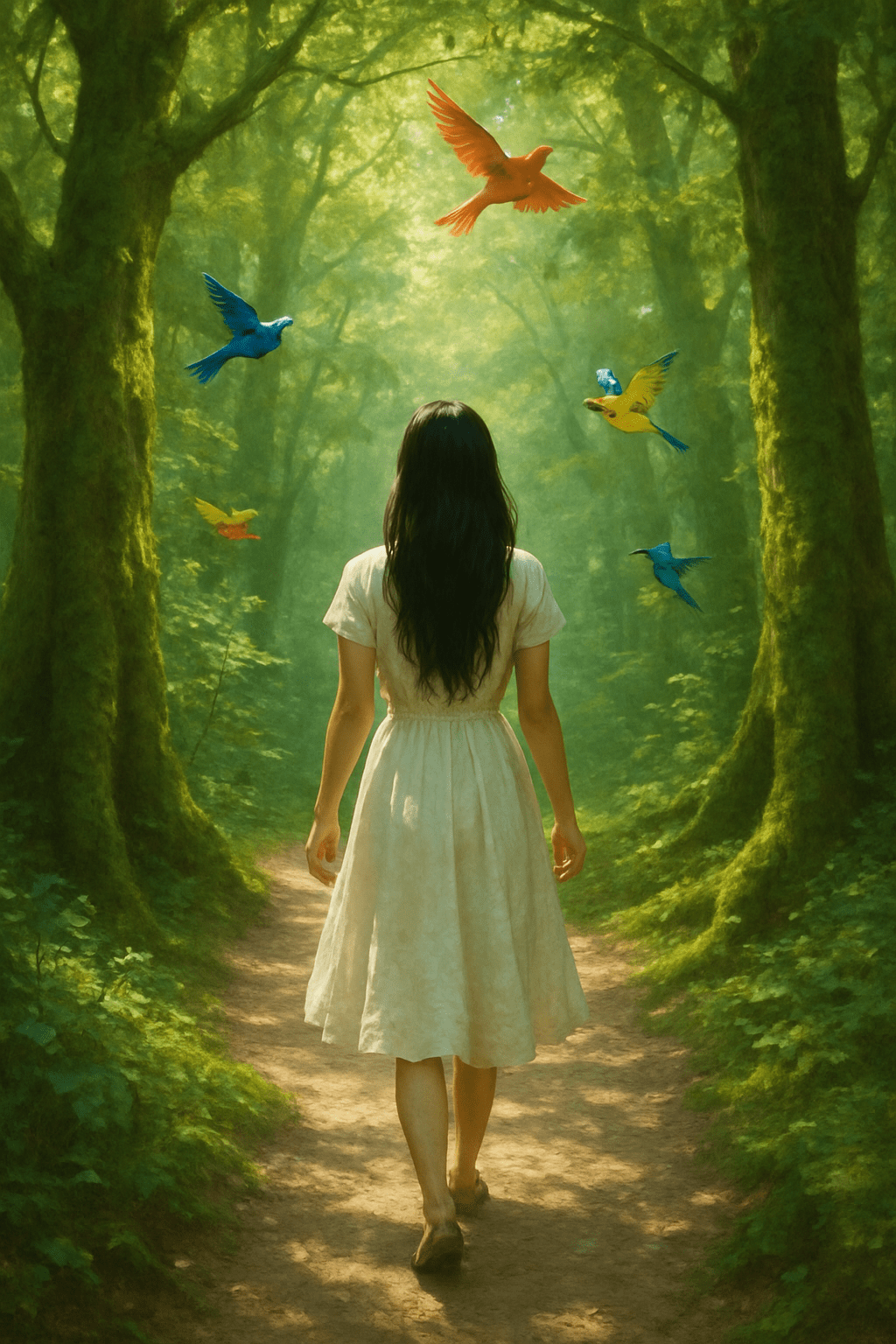
“In every walk with nature one receives far more than he seeks.”
—John Muir
Muir’s century-old observation now reads like a medical prescription. A growing body of research shows that regular contact with living, biodiverse ecosystems is a non-negotiable pillar of human health—and the fastest way to make people care about the twin crises of biodiversity loss and climate change.
This post unpacks (1) what happens to our bodies and minds when we lose everyday nature, (2) how collapsing ecosystems ricochet back on us, and (3) the personal and collective actions that turn concern into meaningful response.
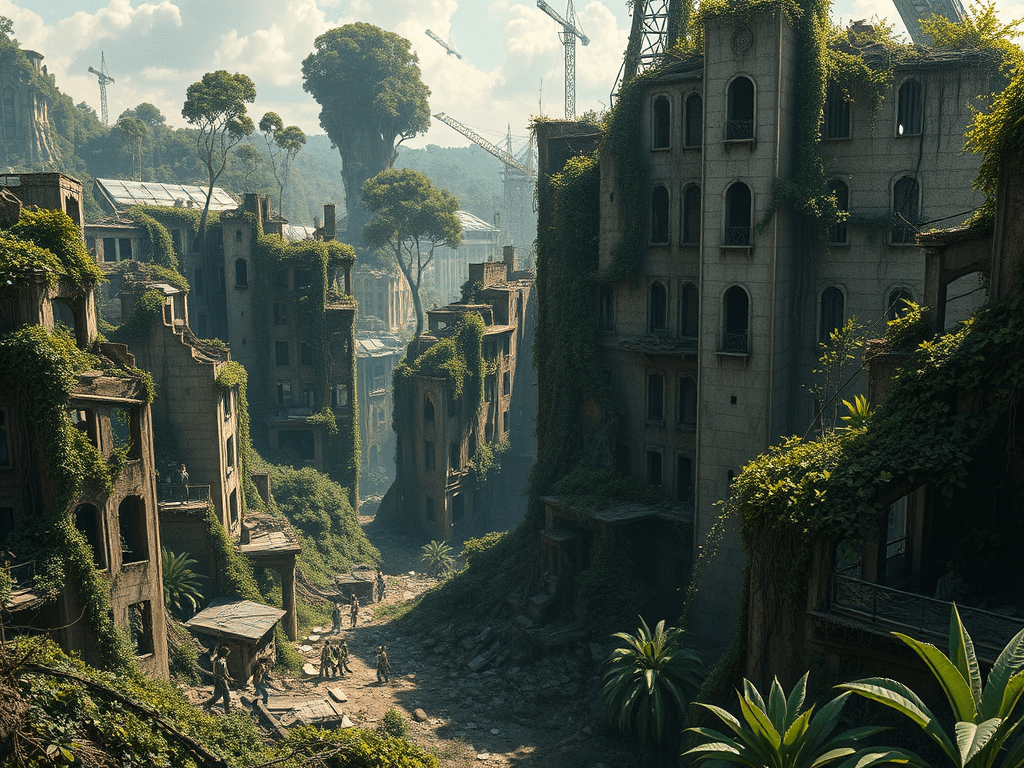
As the world’s rapidly expanding human population increasingly no longer lives in proximity to our living world- but instead is surrounded by concrete, tar and walled environments, and enclosed within self-defined technological walls of social media, AI and self-selected ‘entertainment’, we are losing both our vital connection with the rest of the natural world we are intrinsically part of, along with our unconscious understanding of its importance to us.
In doing so, we become less and less aware how the natural world is shrinking inexorably year by year, decade by decade, day by day, and what that means for both ourselves and our world, in terms of our wellbeing and our very survival.
Each new generation of humans normalise a poorer natural baseline, lowering conservation ambition and stabilising acceptance of biodiversity loss as the ‘norm’. Along with those changes of what is ‘naturally normal’, cultural definitions of ‘nature’ shift over time ( e.g. Wordsworth’s early 19th century poems vs. today’s TikTok hiking videos).
Reduced biodiversity means millions of people face a future where food supplies are more vulnerable to pests and disease, and where fresh water is in problematic supply.
As climate extremes intensify with climate change, the impacts of both floods and droughts are magnified from loss of tree cover.
The 30-Minute Cure: How Daily Green & Blue (aquatic)Time Rewires Us
| Domain | Evidence-Based Benefits of Frequent Nature Contact |
|---|---|
| Physical | Lower cortisol, heart-rate variability, blood pressure; stronger immunity (natural killer-cell activity up 50 % after a 3-day forest trip) . |
| Mental | Reduced risk of depression, anxiety and ADHD; restored “directed attention” capacity (Attention Restoration Theory) . |
| Social | Higher empathy, pro-social behavior, lower crime rates in neighborhoods with tree cover . |
| Spiritual / Cultural | Sense of identity and belonging, especially for Indigenous and rural communities tied to specific species and landscapes . |
Dose–response sweet spot: Two hours per week in green or blue spaces (parks, coastlines, riverbanks) delivers optimal well-being gains .
The Flip Side: Nature-Deficit Disorder
When that contact disappears, we see the inverse—rising obesity, Type-2 diabetes, myopia in children, loneliness, and eco-anxiety. Urban populations already spend 90 % of their time indoors; in lower-income areas, unequal access to safe nature is a new axis of health inequity. Little data is available on the impact of nature deprivation in the Global South.
In countries where daily life is entangled with nature (smallholder farming, forest reliance), disconnection manifests differently—often as loss of traditional ecological knowledge (TEK) rather than park visits.
What Biodiversity Loss Actually Costs Us
Biodiversity is the planet’s operating system. Every lost species is a deleted line of code.
Every living thing: every individual fish, every insect, every bird every mammal, has its own intrinsic worth. Its ‘value’ is simply in its existence.
A. Health & Medicine
- 70 % of anti-cancer drugs are natural or bio-inspired; 60 % of all new infectious diseases are zoonotic and surge when habitat edges fragment .
- Traditional medicine—used by 80 % of people in developing countries—depends on intact ecosystems .
B. Food & Water Security
- Pollinator decline already threatens crops worth US $235 billion annually .
- Wetlands loss (35 % since 1970) has left >2 billion people with declining water quality and rising water-borne disease .
C. Climate Stability
- Forests, peatlands and mangroves store more carbon than all human emissions from 2009–2018 combined. When biodiversity unravels, these sinks flip to sources, accelerating extreme weather that in turn wipes out more species .
D. Positive Impacts of Human Skin Contact with Soil
Regular, safe skin contact with biodiverse, uncontaminated soil—gardening, barefoot walking, forest play etc, rewilds the human microbiome, trains the immune system and supports mental well-being.
1. Immune-System Maturation
Finnish daycare study: children playing on forest-floor (soil-rich) yards had more diverse skin & gut microbiota and stronger immune regulation two years later. Nature 2024
2. Anti-inflammatory Response
Urban adults handling microbially-rich indoor potting soil for one month showed ↑ plasma IL-10 (anti-inflammatory cytokine) and ↑ skin bacterial diversity (Proteobacteria, Bacteroidetes, etc.). Environment International 2024
3. Immediate Skin Microbiome Boost
Just two minutes of rubbing hands with soil & plant materials produced an instant increase in skin microbial richness (Actinobacteria, Acidobacteria, etc.) that lasted several hours. Frontiers 2025
4. Gut Microbiome Support
Mice exposed to non-sterile soil developed higher gut microbial diversity than those on sterile soil, indicating that dermal/oral transfer of soil microbes reaches the intestine. NIH PMC 2019
5. Vaccine Response Enhancement
Adults with daily soil-moss skin contact mounted stronger cell-mediated responses to pneumococcal vaccine (higher IFN-γ, IL-17), suggesting soil exposure can improve vaccine efficacy.
Nature 2024
6. Mental-Health & Stress Reduction
Soil bacterium Mycobacterium vaccae triggers anti-neuroinflammatory pathways, lowers stress hormones and may improve mood via the gut-brain axis. New York Times 2024
E. Mental & Cultural Resilience
- Coastal or forest communities displaced by fires, floods or coral bleaching lose livelihoods and ancestral stories, triggering inter-generational trauma .
Turning Contact into Commitment: The Feedback Loop That Matters
Every exposure to a thriving wild patch biophilically primes the brain. Here’s how to restore that effect:
Personal Practice
- Micro-dose daily: 10 minutes of exposure to tree canopy or moving water (even street trees count).
- Citizen science: Log birds, insects or plants on iNaturalist—data that feeds real conservation maps.
- Nature journaling: Sketching or photographing a leaf or shell deepens attention and memory encoding.
Community Action
- Green prescriptions: Doctors in the U.K., New Zealand and Japan now write “green prescriptions” alongside statins . National pilots of green prescriptions in Scotland (2021) and Canada (2022).
- Schoolyard biodiversity: Converting asphalt to mini-forests improves test scores and doubles local insect diversity within three years .
- Urban rewilding: Pocket meadows, living walls and daylighted streams cool cities, cut AC demand and give residents daily wildlife encounters. Barcelona’s “Green Axes” programme is a great initiative.
- Biodiverse botanic parks where people of all ages and ability can explore and learn about our natural green world.
- Plant native trees in your own backyard- replace that lawn you mow!
Policy & Economy
- 30×30 goal: Support campaigns to protect 30 % of land and sea by 2030 (SDGs 14 & 15) .
- Nature-positive business: Shift pension funds and purchases to companies with science-based targets that restore ecosystems instead of depleting them.
- Climate-biodiversity nexus: Back initiatives that pair renewable roll-outs with habitat corridors—e.g., pollinator-friendly solar arrays.
- Ensuring very young children have access to natural environments promotes physical and emotional health
Why the biodiversity decline matters for climate action
| Pathway | Mechanism | Evidence |
|---|---|---|
| Environmental behaviour | Higher NCI (Nature Connection Index) predicts pro-environmental choices (diet, transport, donations). | Martin et al., 2020, J. Environ. Psychol. |
| Biophilic policy support | Individuals with strong nature connection are 2× more likely to back ambitious conservation funding. | Mackay & Schmitt, 2019, Conserv. Lett. |
| Psychological resilience | Nature connection buffers eco-anxiety; enables sustained activism. | Whitburn et al., 2020, Climatic Change |
| Feedback loop | Shifting baseline syndrome: each generation normalises a poorer natural baseline, lowering conservation ambition. | Papworth et al., 2009, Trends Ecol. Evol. |
A Thought Experiment
Imagine the last dawn chorus on Earth: no birds, no insects, just human-made noise.
Now rewind the tape. Plant one native tree outside your window this month. Spend 30 undistracted minutes beside it each week. Listen.
Your nervous system will notice the difference within days.
Your neurons will start lobbying your choices.
And the planet will register one more caretaker.
When we experience how nature heals us, we finally understand that healing nature is self-defense.
References
Richardson, M., Dobson, J., Abson, D. J., Lumber, R., Hunt, A., & Young, R. (2020) Nature connectedness in decline: Evidence from 5000 English adults 2013-2019. People and Nature, 2(3), 821–835. https://doi.org/10.1002/pan3.10146
Richardson, M., Hunt, A., Hinds, J., Bragg, R., Fido, D., Petronzi, D., … & White, M. P. (2019) A measure of nature connectedness for children and adults: Validation, reliability and associations with well-being. PLoS ONE, 14(7), e0218641. https://doi.org/10.1371/journal.pone.0218641
7 Consequences of Biodiversity Loss for Humans: gaiacompany.io.
WWF: How does Biodiversity loss affect me and everyone else? Reduced biodiversity means millions of people face a future where food supplies are more vulnerable to pests and disease, and where fresh water is in irregular
Royal Society: What is the human impact on biodiversity? How do humans affect biodiversity? · Deforestation. · Habitat loss through pervasive, incremental encroachment such as that caused by urban sprawl.
thrivabilitymatters.org 2023/04/14: How do humans affect biodiversity? The Importance Of Contact With Nature For Well-Being. Spending time in nature, or mingling with a natural element has tremendous effects on physical, mental, social and spiritual wellness.
United Nations Foundation 2023/05/18: How Biodiversity Loss Harms Human Health. A higher risk of infectious outbreaks is just one of the many repercussions of biodiversity loss on human health.
World Health Organization (WHO) 2023/10/12: Climate change is directly contributing to humanitarian emergencies from heatwaves, wildfires, floods, tropical storms and hurricanes.
Mental Health Foundation(U.K.): How connecting with nature benefits our mental health. Research shows that people who are more connected with nature are usually happier in life and more likely to report feeling their lives are worthwhile.
US EPA impacts to human health: Climate Change; City of Chicago: Overview – Temperature Impacts – Air Quality Impacts – Extreme Events – Vector-borne Diseases – Water-Related Illnesses – Food Safety and Nutrition – Mental Health – Populations of Concern – Other Health Impacts.
American Psychological Association 2020/04/01: Nurtured by nature. Exposure to nature has been linked to a host of benefits, including improved attention, lower stress, better mood, & reduced risk of psychiatric disorders.
U.S. Environmental Protection Agency; Climate Change and Human Health | US EPA: This includes increasing the risk of extreme heat events and heavy storms, increasing the risk of asthma attacks and changing the spread of certain diseases .
Impact of Contact With Nature on the Wellbeing and Nature Connectedness Indicators After a Desertic Outdoor Experience on Isla Del Tiburon by G Garza-Terán · 2022 · Cited by 23 — Results show that both wellbeing and Nature Connectedness are positively influenced by performing activities out in the natural environment.nih.gov2024/05/24
Climate change impacts on health across the life course: The climate crisis results in new disorders such as eco-anxiety and solastalgia. Older people also experience adverse brain effects
UC Davis Health2023/05/03: 3 ways getting outside into nature helps improve your health. Research continues to show that being outside and experiencing nature can improve our mental health and increase our ability to focus.
Arizona Health Sciences2023/04/03: A look at the cost of climate change on human health. The evidence is clear – climate change is having a negative effect on our physical and mental health.
The global human impact on biodiversity F Keck · 2025 · Mencionado por 37 — We show that human pressures distinctly shift community composition and decrease local diversity across terrestrial, freshwater and marine ecosystems.
National Oceanic and Atmospheric Administration: Climate change impacts –
United Nations: Five ways the climate crisis impacts human security
7 Consequences of Biodiversity Loss for Humans – Gaia
1. Food Insecurity · 2. Health Impacts · 3. Loss of Medicinal Resources · 4. Reduced Ecosystem Services · 5. Economic Losses · 6. Climate Instability.WWFHow does Biodiversity loss affect me and everyone else?Reduced biodiversity means millions of people face a future where food supplies are more vulnerable to pests and disease, and where fresh water is in irregular …Royal SocietyWhat is the human impact on biodiversity?How do humans affect biodiversity? · Deforestation. · Habitat loss through pervasive, incremental encroachment such as that caused by urban sprawl · Pollution such …thrivabilitymatters.org2023/04/14The Importance Of Contact With Nature For Well-BeingSpending time in nature, or mingling with a natural element has tremendous effects on physical, mental, social and spiritual wellness.United Nations Foundation2023/05/18How Biodiversity Loss Harms Human HealthA higher risk of infectious outbreaks is just one of the many repercussions of biodiversity loss on human health. By disrupting the delicate …WHO2025/02/18BiodiversityBiodiversity loss can have significant direct health impacts if ecosystem services no longer meet societal needs. Changes in ecosystems can …WHO2023/10/12Climate change – World Health Organization (WHO)Climate change is directly contributing to humanitarian emergencies from heatwaves, wildfires, floods, tropical storms and hurricanes and …Mental Health FoundationNature: How connecting with nature benefits our mental healthResearch shows that people who are more connected with nature are usually happier in life and more likely to report feeling their lives are worthwhile.US EPAimpacts to human health – Climate Change – City of ChicagoOn This Page: – Overview – Temperature Impacts – Air Quality Impacts – Extreme Events – Vectorborne Diseases – Water-Related Illnesses – Food Safety and Nutrition – Mental Health – Populations of Concern – Other Health Impacts — Overview The impacts of climate change include warming temperatures, changes in precipitation, increases in the frequency or intensity of some extreme weather events, and rising sea levels. These impacts threaten our health by affecting the food we eat, the water we drink, the air we breathe, and the weather we experience. The severity of these health risks will depend on the ability of public health and safety systems to address or prepare for these changing threats, as well as factors such as an individual’s behavior, age, gender, and economic status. Impacts will vary based on a where a person lives, how sensitive they are to health threats, how much they are exposed to climate change impacts, and how well they andAmerican Psychological Association2020/04/01Nurtured by natureExposure to nature has been linked to a host of benefits, including improved attention, lower stress, better mood, reduced risk of psychiatric disorders and …U.S. Environmental Protection AgencyClimate Change and Human Health | US EPAThis includes increasing the risk of extreme heat events and heavy storms, increasing the risk of asthma attacks and changing the spread of certain diseases …nih.govLOSS OF BIODIVERSITY: THE BURGEONING THREAT TO HUMAN HEALTHpor O Adebayo · 2019 · Mencionado por 28 — While the loss of biological biodiversity appears to affect significantly human health, it has also been opined to be a significant threat to the attainment of …nih.govImpact of Contact With Nature on the Wellbeing and Nature Connectedness Indicators After a Desertic Outdoor Experience on Isla Del Tiburonby G Garza-Terán · 2022 · Cited by 23 — Results show that both wellbeing and Nature Connectedness are positively influenced by performing activities out in the natural environment.nih.gov2024/05/24Climate change impacts on health across the life course – PMCThe climate crisis results in new disorders such as eco-anxiety and solastalgia. Older people also experience adverse brain effects from the …CDC2024/02/29Effects of Climate Change on Health – CDCThe health effects of these disruptions include increased respiratory and cardiovascular disease, injuries and premature deaths related to extreme weather …UC Davis Health2023/05/033 ways getting outside into nature helps improve your healthResearch continues to show that being outside and experiencing nature can improve our mental health and increase our ability to focus.UArizona Health Sciences2023/04/03A look at the cost of climate change on human healthThe evidence is clear – climate change is having a negative effect on our physical and mental health. The scale of the impact is vast, with …ScienceDirectNatural environments improve parent-child communicationby T Cameron-Faulkner · 2018 · Cited by 84 — In this study, natural environments influenced social interactions between parents and children by increasing connected, responsive communication. These …NatureThe global human impact on biodiversitypor F Keck · 2025 · Mencionado por 37 — We show that human pressures distinctly shift community composition and decrease local diversity across terrestrial, freshwater and marine ecosystems.nih.govBenefits for emotional regulation of contact with natureby ML Ríos-Rodríguez · 2024 · Cited by 15 — Exposure to natural environments, such as parks, forests, and green areas, is often linked to a decrease in stress, anxiety and depression.National Oceanic and Atmospheric AdministrationClimate change impacts – NOAAClimate change impacts our society in many different ways. Drought can harm food production and human health. Flooding can lead to spread of disease, death, …Universidad VeracruzanaBiodiversity loss and its impact on humanity. Nature PDFThe impacts of diversity loss on ecological processes might be sufficiently large to rival the impacts of many other global drivers of environmental change.Friends of the Earth2020/09/23Importance of natureFor children and adults alike, daily contact with nature is linked to better health, less stress, better mood, reduced obesity – an amazing list …U.S. Environmental Protection AgencyClimate Change Impacts on Health | US EPAClimate change can disrupt access to health care services, threaten infrastructure, and pose physical and mental health risks.Naciones UnidasFive ways the climate crisis impacts human security | United Nations1. Climate change intensifies competition over land and water · 2. Climate change affects food production and drives up hunger · 3. Climate change forces people …United Nations University2024/05/16Understanding Humanity’s Role in Biodiversity LossLosing species threatens our well-being. As we lose species, our ecosystems also lose genetic diversity. This often negatively impacts the …Science Mission Directorate2024/10/23The Causes of Climate Change – NASA ScienceThe greenhouse effect is essential to life on Earth, but human-made emissions in the atmosphere are trapping and slowing heat loss to space.ScienceDirectModelling human influences on biodiversity at a global scale–A human ecology perspectivepor M Cepic · 2022 · Mencionado por 62 — Globalised human interventions cause most biodiversity losses.

 New Antarctica